

What is the thickness of Solid WPC Flooring?
As a supplier of Solid WPC Flooring, I often encounter questions from customers regarding the thickness of this type of flooring. Understanding the thickness of Solid WPC Flooring is crucial as it can impact various aspects such as durability, performance, and installation. In this blog post, I will delve into the details of the thickness of Solid WPC Flooring, exploring its significance and the different options available in the market.
The Significance of Thickness in Solid WPC Flooring
The thickness of Solid WPC Flooring plays a vital role in determining its overall quality and performance. A thicker flooring generally offers better durability and resistance to wear and tear. It can withstand heavy foot traffic, furniture movement, and other daily activities without showing signs of damage easily. Additionally, a thicker floor provides better insulation, reducing noise transmission between floors and enhancing the comfort of the living or working environment.
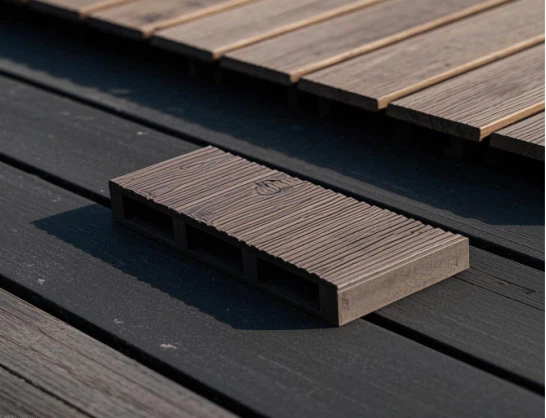
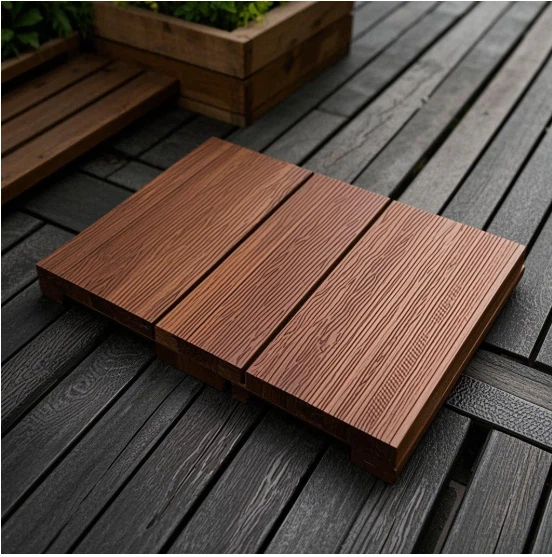
Moreover, the thickness of Solid WPC Flooring can also affect its installation process. Thicker floors may require more skill and experience to install properly, as they are heavier and may need additional support. On the other hand, thinner floors are often easier to handle and install, making them a popular choice for DIY projects.
Common Thickness Options for Solid WPC Flooring
Solid WPC Flooring is available in a range of thicknesses to suit different needs and applications. The most common thickness options for Solid WPC Flooring typically range from 4mm to 10mm. Let's take a closer look at each of these thickness options:
- 4mm - 6mm: Flooring with a thickness of 4mm to 6mm is considered relatively thin. It is lightweight and easy to install, making it a suitable choice for areas with light to moderate foot traffic, such as bedrooms, living rooms, and offices. Thinner floors are also a great option for DIY projects, as they are more flexible and can be easily cut and shaped to fit around obstacles. However, they may not be as durable as thicker floors and may be more prone to damage from heavy furniture or sharp objects.
- 7mm - 8mm: Flooring with a thickness of 7mm to 8mm is a popular choice for both residential and commercial applications. It offers a good balance between durability and ease of installation. This thickness is suitable for areas with moderate to heavy foot traffic, such as hallways, kitchens, and retail stores. The additional thickness provides better resistance to wear and tear, making it a long-lasting option for high-traffic areas.
- 9mm - 10mm: Flooring with a thickness of 9mm to 10mm is the thickest option available for Solid WPC Flooring. It is the most durable and robust choice, suitable for areas with extremely heavy foot traffic, such as commercial buildings, hotels, and public spaces. The extra thickness provides excellent resistance to impact, scratches, and dents, ensuring that the floor remains in good condition even under the most demanding conditions. However, thicker floors are heavier and may require more support during installation, which can increase the overall cost.
Factors to Consider When Choosing the Thickness of Solid WPC Flooring
When choosing the thickness of Solid WPC Flooring, there are several factors to consider to ensure that you select the right option for your specific needs. Here are some key factors to keep in mind:
- Foot Traffic: Consider the amount of foot traffic the area will receive. For areas with light to moderate foot traffic, a thinner floor may be sufficient. However, for areas with heavy foot traffic, such as commercial spaces or hallways, a thicker floor is recommended to ensure durability.
- Installation Method: The installation method you choose can also influence the thickness of the flooring you select. Some installation methods, such as click-lock systems, are more suitable for thinner floors, while others, such as glue-down installation, may be better suited for thicker floors. Make sure to choose a thickness that is compatible with your chosen installation method.
- Subfloor Condition: The condition of your subfloor is another important factor to consider. If your subfloor is uneven or has imperfections, a thicker floor may be necessary to provide a smooth and level surface. Thicker floors can also help to mask minor subfloor irregularities, ensuring a more professional-looking installation.
- Budget: Your budget is also an important consideration when choosing the thickness of Solid WPC Flooring. Thicker floors are generally more expensive than thinner floors due to the additional materials and manufacturing processes involved. Make sure to choose a thickness that fits within your budget while still meeting your performance requirements.
Conclusion
In conclusion, the thickness of Solid WPC Flooring is an important factor to consider when choosing the right flooring for your home or commercial space. By understanding the significance of thickness and the different options available, you can make an informed decision that meets your specific needs and preferences. Whether you choose a thin floor for a DIY project or a thick floor for a high-traffic area, Solid WPC Flooring offers a durable, stylish, and easy-to-install flooring solution.
If you are interested in learning more about Solid WPC Flooring or would like to discuss your flooring needs, please feel free to contact us. Our team of experts is here to assist you in choosing the right flooring for your project and providing you with the best possible service.