


Moulding
Your Professional Moulding Supplier!
Shanghai Shinystar Wood Co.,Ltd. is a professional engaged in the research, development, and production of One-Stop Building Materials and Interior Finishing Materials. Such as Floorings, Doors,Gesso Primed MDF and Wood Mouldings,Laminated Posts and Beams, LVL,H2, H3, H4Treated Products, Plywood, MDF Board, etc.


Baseboard / Skirting,Door Jamb ,Casing / Architrave,Shoe Moulding,Door Stop,Window Reveal, SillCrown Moulding,Wall Trim Moulding,LOSP Treated,Cyeve,Corner
Why Choose Us
Customization Services
We offer professional product customization services. Whether in material, color, or design, we can flexibly adjust to meet individual customer needs and fulfill the specific requirements of different application scenarios.
Quality Control
We have implemented ERP and PDM management systems to fully realize information-based and systematic management as well as quality control, effectively improving production efficiency and ensuring consistent product quality.
Sales Market
Our products have been exported to numerous countries and regions, including Australia, the United States, Canada, the United Kingdom, New Zealand, Chile, Spain, South America, Europe, and Southeast Asia. They have received widespread praise in both domestic and international markets and have established a strong brand reputation.
Quality Service
We provide professional team consulting services. Our experts can offer specialized advice to customers. Additionally,we provide detailed installation instructions; whether through manuals or online support,our team will assist customers in resolving any issues encountered during the installation process.
Specification
|
Parameter Category |
Specific Specifications/Description |
|
Product Name |
Door Stop |
|
Material Type |
Pine, fir, oak, walnut, poplar, beech, etc. (customizable upon request) |
|
Thickness |
9.53mm(customizable) |
|
Width |
31.75mm(customizable) |
|
Moisture Content |
8%-12% (Complies with international wood processing standards, suitable for most climate zones) |
|
Environmental Protection Rating |
E0 (≤0.5mg/m³), E1 (≤1.5mg/m³), CARB P2 |
|
Surface Finish |
White Primed |
|
Packaging Method |
Pallet packaging |
A moulding is a structural piece used to highlight and frame interior architecture. Most people are familiar with how they enhance a room's aesthetics, yet they also serve many functional purposes. They can frame a doorway, create boundaries that define spaces, and even serve as protection for the walls. While they serve a visual purpose, they also bring structure and elegance to otherwise flat surfaces.
One of the greatest benefits of mouldings is their versatility. Whether your design vision is contemporary, rustic, transitional, or classic, there's a design profile that fits. You can mix and match different styles or layer profiles for a more dramatic effect.
While mouldings are aesthetically pleasing, they also serve practical functions. Baseboards shield walls from scuffs and vacuum damage, while door and window casings protect against wear and tear. Chair rails can prevent furniture from scraping up walls.

Types of Moulding
Ceiling moulding
Ceiling moulding, also known as crown moulding or cornice, runs along the top of a room where the wall meets the ceiling. It softens the transition from wall to ceiling. Crown moulding can be simple or intricately detailed. These types of moulding trim can make a room look polished.
Casing moulding
Casing or architraves moulding is used to conceal the gap between the drywall and a door or window frame. This type of trim is also good for framing doorways and windows. It is typically made from wood and can be simple or ornate. Casing moulding comes in many different styles, including colonial, craftsman, Victorian and more.
Baseboard moulding
Baseboard moulding, or skirting board, is a type of trim that's placed where the bottom of a wall meets the floor. It is used to cover any gaps and protect the wall from damage. It's designed to create a visually interesting transition. Baseboard moulding can be simple flat boards, rounded or angled profiles or more decorative profiles like ogee or cove. Baseboards are usually thinner than casings. Use both to create a cohesive look.
Chair rail moulding
Chair rail moulding, or dado rail, is a type of trim that is typically installed around the perimeter of a room at chair height. It protects walls from furniture damage and is also installed for decorative purposes. A common decorating trick is to use paint above the chair rail and wallpaper below it.
Picture rail moulding
Picture rail moulding is a type of trim used to hang pictures or artwork on walls. It typically runs horizontally along the upper portion of a wall about 7 to 9 feet from the floor. Picture rail moulding can be everything from simple flat boards to curves and patterns. It's made from wood, plaster and other materials to display art or decorative plates.
Wainscoting
Wainscoting is a type of decorative paneling that is installed on the lower portion of a wall, typically below chair rail height. There are many different styles of wainscoting, including beadboard, board and batten and raised panel. Panel moulding is used to frame wall paneling and add a decorative touch to traditional wainscoting. Board and batten refers to a wall trim piece used to cover the joints between two pieces of paneling.

- Primed medium density fiberboard (MDF) is a high-grade composite material. It typically comes pre-primed. This gives it a consistent, evenly painted finish with superior workability.
- Pine is a versatile softwood moulding that can be clear-coated, stained or painted. It offers a warm, rustic look. Primed pine is natural wood-based, paint-grade moulding that is also pre-primed.
- Oak is a classic and traditional hardwood moulding with a distinctive grain pattern. It can be clear-coated, varnished or stained and offers a durable, rich look.
- Polyurethane is a high-density, lightweight material. It has the look of wood but will not warp, split or rot. It's pre-primed for easy installation.
- PVC is a strong material that mimics the look of wood but isn't affected by moisture. It also won't crack or chip.
Basic Cutting Methods for Moulding
The most basic cut for moulding is a miter cut. Most moulding is installed with miter joints that form a 90-degree angle. The first piece of moulding is cut at a 45-degree angle, the second piece is also cut at a 45-degree angle forming a tight 90-degree angle. In vertical applications (typically casing) the angles are cut on the face of the moulding. In horizontal applications (typically base, crown and chair rail) the angles are cut against the face of the moulding.
Applications of Moulding
Interior Applications
Moulding is primarily something you'd find on the inside of the home as a way to balance other interior features, like walls, ceilings, windows, and doors. It can be the missing piece for more simplistic architecture, giving you a way to enhance the design without needing to install something new.
01
Decorative Enhancement
The most common use for moulding is to improve the look of an interior space. They can transform even the simplest wall into something stunning. It's also an excellent way to highlight unique architectural features within your home.
02
Creating Transitions Between Spaces
Mouldings are useful for hiding transitions or gaps between different building materials. A good example would be moulding you install to “blend” the floor with your walls. This is also handy with blending different materials, like in spaces that call for wainscoting to help break up the mixed materials used on a wall.
03
Protecting Walls From Damage
Moulding is also a fantastic barrier that can protect your walls from scuffs or dents. This moulding is best employed in high-traffic areas within your home or places where the walls are more likely to be damaged.
04
Order Process
Contact Customer Service
1
>>
Submit Order
2
>>
Obtain a Quote
3
>>
Confirm Order
4
>>
Arrange Payment
5
>>
Track Order
6
>>
Receive and Inspect Goods
7
Packaging and Shipping
|
Packaging |
Pallet packaging |
|
Transportation methods |
Road transport, rail transport, sea transport, air transport |
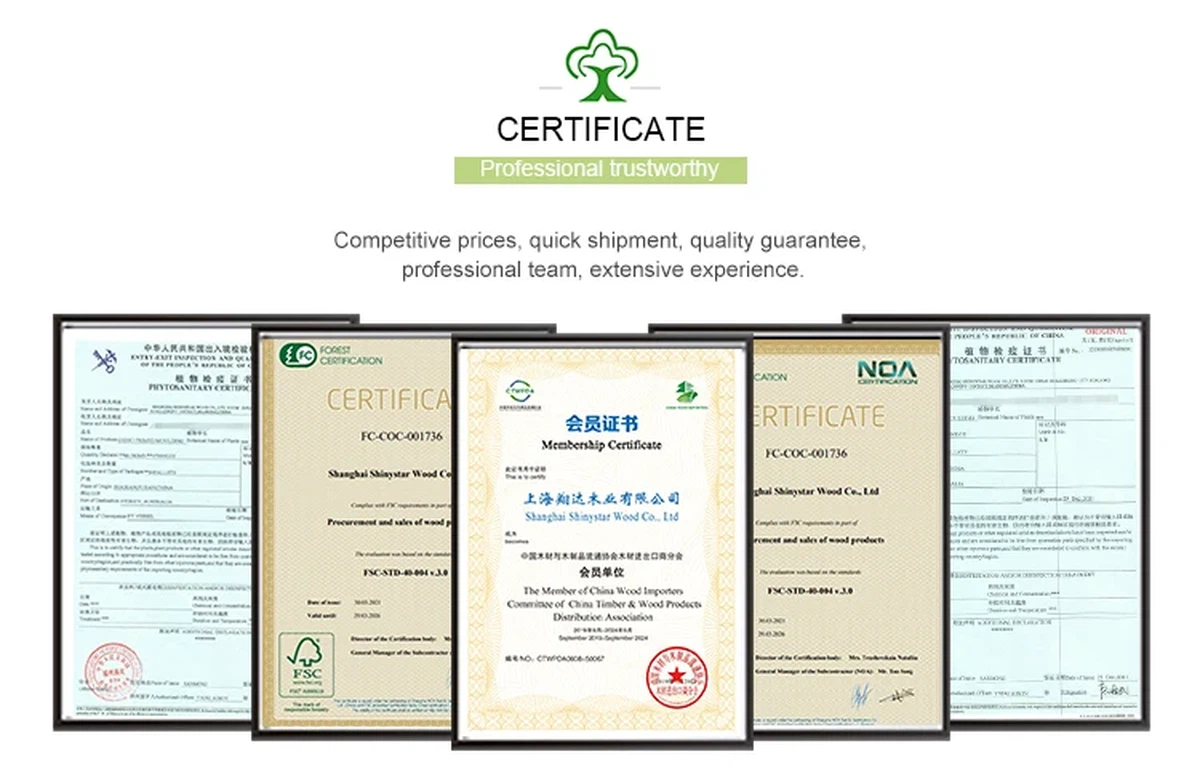
Our Certificate

FAQ
As one of the leading moulding manufacturers and suppliers in China, we warmly welcome you to wholesale bulk customized moulding from our factory. Also, quotation is available.