

As a supplier of Wood MDF Paneling, I often encounter questions from customers about the recyclability of our products. In this blog post, I'll delve into the topic of whether wood MDF paneling can be recycled, exploring the process, challenges, and environmental implications.
Understanding Wood MDF Paneling
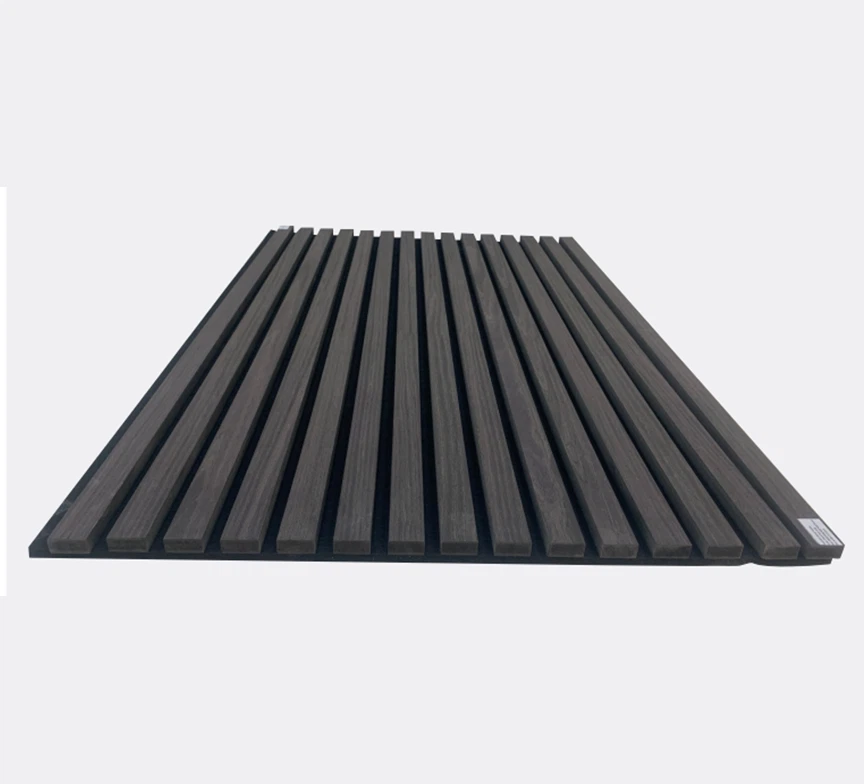
Before we discuss recycling, it's essential to understand what wood MDF paneling is. Medium - Density Fiberboard (MDF) is an engineered wood product made by breaking down hardwood or softwood residuals into wood fibers. These fibers are then combined with wax and a resin binder, typically urea - formaldehyde, and formed into panels under high temperature and pressure. Wood MDF paneling Wood Mdf Paneling is a popular choice for interior applications such as wall paneling, cabinetry, and furniture due to its smooth surface, uniform density, and affordability.

The Recycling Process of Wood MDF Paneling
In theory, wood MDF paneling can be recycled. The first step in the recycling process is to collect the used MDF panels. This can be done through various channels, such as construction and demolition waste collection sites, furniture recycling centers, or directly from customers who are renovating or replacing their MDF - based products.
Once the panels are collected, they are transported to a recycling facility. At the facility, the MDF panels are shredded into small pieces. The shredded material is then subjected to a process that separates the wood fibers from the resin binder. This separation is crucial because the resin binder can contaminate the recycling process and affect the quality of the recycled product.
After the separation, the wood fibers can be used to produce new MDF panels or other wood - based products. The recycled fibers are mixed with new wood fibers, wax, and resin binder, and then formed into new panels using the same manufacturing process as virgin MDF.
Challenges in Recycling Wood MDF Paneling
However, there are several challenges associated with recycling wood MDF paneling. One of the main challenges is the presence of the resin binder. As mentioned earlier, the resin binder used in MDF production, usually urea - formaldehyde, can be difficult to separate from the wood fibers. Urea - formaldehyde is a chemical compound that can release formaldehyde gas, which is a known carcinogen. During the recycling process, if the resin binder is not properly removed, it can contaminate the recycled fibers and pose health risks to workers and consumers.
Another challenge is the quality of the recycled fibers. Over time, the wood fibers in MDF panels can degrade, especially if the panels have been exposed to moisture, heat, or other environmental factors. Degraded fibers may not have the same strength and durability as virgin fibers, which can affect the quality of the recycled MDF panels.
In addition, the market demand for recycled MDF products is relatively low compared to virgin MDF products. Many consumers and manufacturers still prefer to use virgin MDF due to concerns about the quality and performance of recycled products. This lack of market demand can make it economically unviable for recycling facilities to invest in the necessary equipment and processes to recycle MDF paneling.
Environmental Implications
Despite the challenges, recycling wood MDF paneling has significant environmental benefits. By recycling MDF panels, we can reduce the amount of waste sent to landfills. MDF panels take up a large amount of space in landfills, and as they decompose, they can release harmful chemicals into the environment. Recycling also helps to conserve natural resources. Instead of cutting down more trees to produce new MDF panels, we can reuse the existing wood fibers, which reduces deforestation and its associated environmental impacts.
Types of Wood MDF Paneling and Their Recyclability
There are different types of wood MDF paneling, such as MDF Wall Panel with Technical Veneer and MDF Wall Panel with Melamine Paper Veneer. The recyclability of these panels may vary depending on the type of veneer used.
Technical veneer is a thin layer of wood or other materials applied to the surface of the MDF panel to enhance its appearance. In most cases, the technical veneer can be removed during the recycling process, and the underlying MDF panel can be recycled as usual. However, if the veneer is glued to the panel using a strong adhesive, it may be more difficult to separate, which can complicate the recycling process.
Melamine paper veneer is a synthetic material that is commonly used to cover MDF panels. Melamine paper veneer is more difficult to recycle than technical veneer because it is made of plastic - like materials. During the recycling process, the melamine paper veneer needs to be removed from the MDF panel, which can be a time - consuming and costly process.
Our Role as a Supplier
As a supplier of Wood MDF Paneling, we are committed to promoting sustainable practices. We are constantly exploring ways to improve the recyclability of our products. For example, we are researching new resin binders that are more easily separable from the wood fibers and less harmful to the environment. We are also working with recycling facilities to develop more efficient recycling processes and to increase the market demand for recycled MDF products.
We encourage our customers to consider the environmental impact of their purchases and to choose products that are recyclable. When it comes time to replace their MDF paneling, we provide information on local recycling options and encourage them to recycle their used panels.
Contact Us for Sustainable Solutions
If you are interested in purchasing high - quality Wood MDF Paneling or have questions about the recyclability of our products, please feel free to contact us. We are here to provide you with the best solutions for your interior design and construction needs. Our team of experts can offer you detailed information about our products, including their features, benefits, and environmental impact. By choosing our Wood MDF Paneling, you are not only getting a great product but also contributing to a more sustainable future.
References
- "Medium - Density Fiberboard (MDF): Properties, Applications, and Environmental Considerations." Journal of Wood Science.
- "Recycling of Wood - Based Composite Materials: A Review." Waste Management.
- "The Impact of Formaldehyde Emissions from MDF on Indoor Air Quality." Indoor Air.