

Hey there! As a WPC flooring supplier, I often get asked a bunch of questions from customers. One question that pops up quite a bit is, "Does WPC flooring attract dust easily?" Well, let's dig into this topic and find out the real deal.
First off, let's understand what WPC flooring is. WPC stands for Wood Plastic Composite. It's a type of flooring that combines wood fibers and plastic materials. This combination gives it some unique properties. WPC flooring comes in different types, like Solid WPC Flooring and Wpc Click Flooring. Each type has its own features, but they all share some common characteristics when it comes to dust attraction.
Now, to answer the big question - does it attract dust easily? The short answer is no, not really. When you look at how WPC flooring is made, its surface is smooth. Unlike some carpets or textured floors that have lots of nooks and crannies for dust to hide in, the smooth surface of WPC flooring doesn't give dust many places to stick. Dust particles are more likely to just sit on top of the floor rather than getting trapped deep inside.
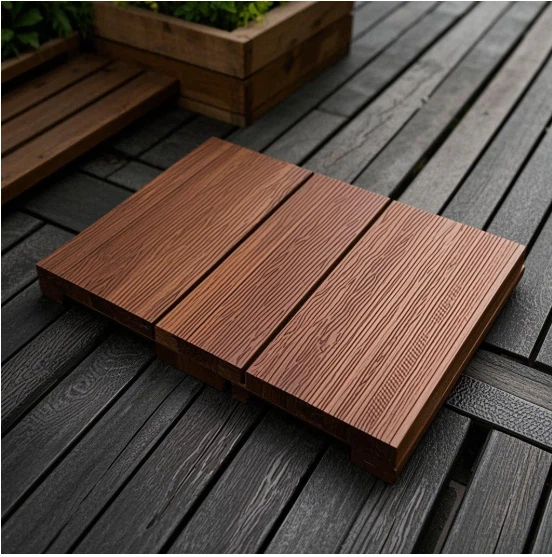
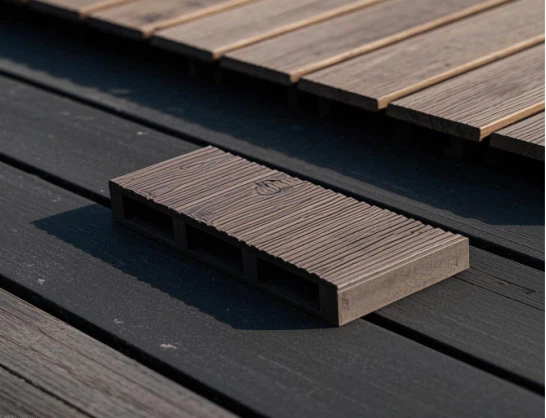
Let's talk about the materials used in WPC flooring. The plastic component in it has a low static charge. Static electricity is one of the main reasons why dust gets attracted to surfaces. Think about how your clothes sometimes stick together in the dryer - that's static. Since WPC flooring has a low static charge, it doesn't pull in dust from the air as much as other materials might.
Another factor is the durability of WPC flooring. It's resistant to scratches and wear. When a floor gets scratched, those little scratches can become dust magnets. But with WPC flooring, its ability to resist scratches means there are fewer rough areas for dust to accumulate.
However, it's not completely immune to dust. Even though it doesn't attract dust as easily as some other flooring options, dust will still land on it over time. This is just a normal part of having a floor in any environment. The amount of dust that lands on your WPC floor will depend on a few things.
The environment where the flooring is installed plays a huge role. If you live in a dusty area, like near a construction site or a desert, there's going to be more dust in the air. So, naturally, more dust will end up on your floor. Also, the amount of foot traffic in the area matters. A high - traffic area, like a hallway or a living room where people are constantly moving around, will pick up more dust compared to a spare bedroom that doesn't get used as often.
Cleaning is also important. Even though WPC flooring doesn't attract dust easily, regular cleaning is still necessary to keep it looking its best. The good news is that cleaning WPC flooring is a breeze. You can simply sweep or vacuum it regularly to get rid of the loose dust. For a deeper clean, a damp mop can be used. Just make sure not to use too much water, as excessive moisture can damage the flooring over time.
When it comes to long - term dust management, you can take a few extra steps. Using doormats at entrances can help reduce the amount of dust that gets tracked onto the floor. People can wipe their feet on the mat, leaving a lot of the dirt and dust outside. You can also use air purifiers in the room. Air purifiers can help remove dust particles from the air, which means less dust will land on your floor.
Now, let's compare WPC flooring with some other common flooring types in terms of dust attraction. Carpet is a classic example. Carpets have a very porous surface, which means dust can get deep into the fibers. It's not just on the surface; it can be all the way down to the backing. Vacuuming carpets can be a challenge because you need to make sure you're getting all the dust out. And even with regular vacuuming, some dust can still remain.
Hardwood floors are another option. While they have a smooth surface like WPC flooring, they can be more prone to scratches. As I mentioned earlier, scratches can trap dust. Also, if the hardwood floors are not properly sealed, dust can seep into the tiny pores of the wood.
Tile floors are similar to WPC in that they have a smooth surface. But tiles can have grout lines between them. These grout lines can collect dust and dirt, and cleaning them can be a bit of a hassle.
In conclusion, WPC flooring is a great choice if you're worried about dust. It doesn't attract dust easily due to its smooth surface, low static charge, and scratch - resistant properties. But like any floor, it still needs regular cleaning and a bit of maintenance to keep it looking great.
If you're in the market for new flooring and want a dust - friendly option, I'd highly recommend considering WPC flooring. We offer a wide range of Solid WPC Flooring and Wpc Click Flooring options to suit your needs. Whether it's for a residential or commercial space, we've got you covered.
If you're interested in learning more or making a purchase, don't hesitate to reach out. We're here to help you find the perfect flooring solution for your space. Just contact us, and we can start a conversation about your flooring needs.
References
- General knowledge about flooring materials and their properties.
- Industry research on the characteristics of WPC flooring.