

Can WPC Flooring be Installed in a Rental Property?
As a WPC (Wood Plastic Composite) flooring supplier, I often get asked whether WPC flooring is a suitable option for rental properties. In this blog post, I'll delve into the various aspects of using WPC flooring in rental settings, exploring its advantages, potential drawbacks, and installation considerations.
Advantages of WPC Flooring for Rental Properties
One of the primary benefits of WPC flooring is its durability. WPC flooring is made by combining wood fibers and plastic polymers, creating a material that is resistant to scratches, dents, and wear. In a rental property, where multiple tenants may come and go, the floor is likely to experience a fair amount of foot traffic, furniture movement, and occasional spills. WPC flooring can withstand these challenges better than many other types of flooring materials, such as carpet or laminate.
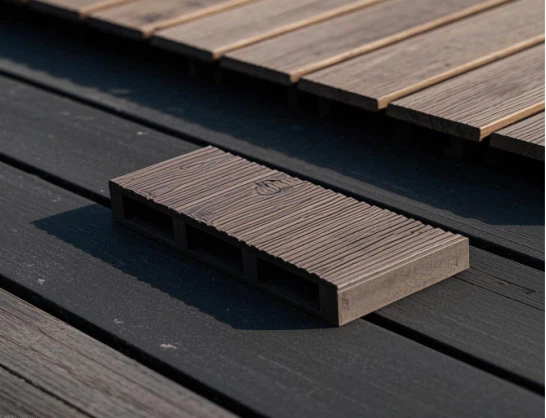
For instance, Solid WPC Flooring is known for its robust construction. It has a solid core that provides excellent stability and can handle heavy use without warping or cracking. This means that landlords can expect the flooring to last for a long time, reducing the need for frequent replacements and saving on maintenance costs in the long run.
Another advantage of WPC flooring is its water resistance. In rental properties, especially in areas like kitchens, bathrooms, and laundry rooms, water spills are inevitable. WPC flooring has a high level of moisture resistance, which prevents water from seeping into the floor and causing damage such as mold growth or swelling. This is a significant advantage over traditional wood flooring, which can be severely damaged by water.
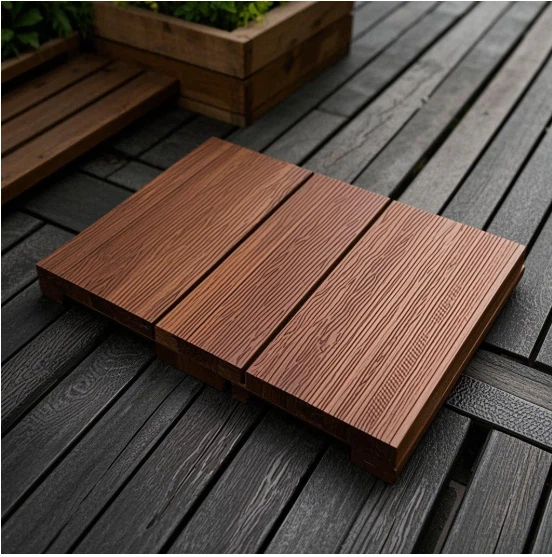
WPC flooring also offers a wide range of aesthetic options. It can mimic the look of natural wood, stone, or tile, allowing landlords to choose a style that suits the overall design of the rental property. Whether it's a modern, contemporary look or a more rustic, traditional style, there is a WPC flooring option available. This can enhance the appeal of the property and potentially attract more tenants.
Moreover, WPC flooring is relatively easy to clean and maintain. Regular sweeping and mopping are usually sufficient to keep the floor looking clean and fresh. Unlike carpet, which can trap dirt, dust, and allergens, WPC flooring provides a hygienic surface that is easier to keep clean, which is beneficial for both landlords and tenants.
Potential Drawbacks of WPC Flooring for Rental Properties
While WPC flooring has many advantages, there are also some potential drawbacks to consider. One of the main concerns is the initial cost. WPC flooring can be more expensive than some other types of flooring, such as laminate or vinyl. For landlords on a tight budget, the higher upfront cost may be a deterrent. However, it's important to consider the long-term benefits and cost savings that come with the durability and low maintenance of WPC flooring.
Another potential drawback is that WPC flooring may not be as soft underfoot as carpet. Some tenants may prefer the comfort and warmth of carpet, especially in bedrooms or living areas. However, there are WPC flooring options with added padding or a more cushioned feel that can help to mitigate this issue.
In addition, WPC flooring can be affected by extreme temperatures. In very hot or cold environments, the flooring may expand or contract, which could lead to gaps or buckling. Landlords need to ensure that the property has proper temperature control to minimize these risks.
Installation Considerations for WPC Flooring in Rental Properties
When it comes to installing WPC flooring in a rental property, there are several important considerations. First, it's crucial to hire a professional installer. While some types of WPC flooring, such as Wpc Click Flooring, are designed for easy DIY installation, a professional installer can ensure that the floor is installed correctly and that any potential issues are addressed.
Before installation, the subfloor needs to be properly prepared. The subfloor should be clean, level, and dry. Any existing flooring should be removed, and any uneven areas should be smoothed out. This will ensure that the WPC flooring lays flat and looks its best.
It's also important to consider the installation time. In a rental property, minimizing disruption to tenants is essential. Professional installers can usually complete the installation relatively quickly, but landlords should plan accordingly and communicate with tenants about the installation schedule.
During installation, it's important to follow the manufacturer's instructions carefully. This includes leaving appropriate expansion gaps around the perimeter of the room to allow for the natural expansion and contraction of the flooring. Failure to do so can result in buckling or other problems down the line.
Conclusion
In conclusion, WPC flooring can be an excellent choice for rental properties. Its durability, water resistance, aesthetic options, and ease of maintenance make it a practical and attractive option for landlords. While there are some potential drawbacks, such as the initial cost and the need for proper temperature control, the long-term benefits often outweigh these concerns.
If you're a landlord considering installing WPC flooring in your rental property, I encourage you to contact us for more information. We can provide you with detailed product specifications, samples, and pricing. Our team of experts can also offer advice on the best type of WPC flooring for your specific needs and assist you with the installation process. Don't hesitate to reach out to us to start the conversation about how WPC flooring can enhance your rental property.
References
- "The Benefits of WPC Flooring" - Flooring Industry Magazine
- "Water Resistance in Flooring Materials" - Building Materials Research Journal
- "Aesthetic Options in Modern Flooring" - Interior Design Today