

Hey there! As a supplier of Solid WPC Flooring, I often get asked if the thickness of this type of flooring really matters. Well, let's dive right into it and explore this question in detail.
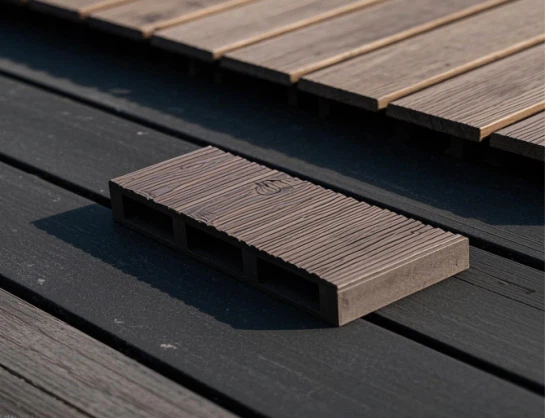
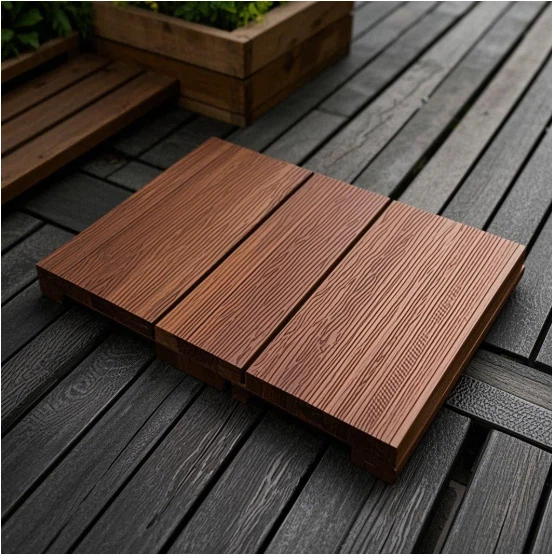
First off, what exactly is Solid WPC Flooring? Solid WPC (Wood - Plastic Composite) Flooring is a popular choice in the flooring market. It combines the benefits of wood and plastic, offering durability, water - resistance, and a natural wood - like appearance. You can check out more about it here: Solid WPC Flooring.
Now, back to the main question: does the thickness matter? The short answer is yes, but it depends on several factors.
1. Durability and Longevity
Thicker Solid WPC Flooring generally tends to be more durable. A thicker board can withstand more wear and tear over time. For high - traffic areas like hallways, living rooms, or commercial spaces, a thicker flooring is a great option. It's less likely to get scratched, dented, or damaged by heavy furniture.
Let's say you have a family with kids and pets. The constant running, jumping, and scratching can take a toll on your floors. A thicker Solid WPC Flooring can handle this kind of abuse better than a thinner one. It has more material to absorb the impact, which means it'll last longer without showing signs of excessive wear.
On the other hand, if you're using the flooring in a low - traffic area like a spare bedroom or a storage room, a thinner option might be sufficient. You won't have as much foot traffic or heavy objects moving around, so the flooring doesn't need to be as thick to maintain its integrity.
2. Sound Insulation
Another aspect where thickness plays a role is sound insulation. Thicker Solid WPC Flooring can do a better job of reducing noise. If you live in an apartment building or have multiple floors in your house, having good sound insulation is a big plus.
When people walk on the floor, a thicker board can absorb more of the sound vibrations. This means less noise will travel to the rooms below or adjacent areas. It creates a quieter and more peaceful living environment. So, if noise is a concern for you, going for a thicker flooring is a smart move.
3. Installation and Subfloor Compatibility
The thickness of the Solid WPC Flooring can also affect the installation process. Thicker boards might require a more level and stable subfloor. If your subfloor has minor imperfections, a thicker flooring can sometimes help to hide them better. However, if the subfloor is really uneven, even a thick board might not be able to compensate fully.
In some cases, thinner Solid WPC Flooring can be more flexible during installation. It can conform to slight irregularities in the subfloor more easily. But you need to make sure that the subfloor is still in good enough condition to support the flooring.
4. Cost
Cost is always a factor when making a flooring decision. Generally, thicker Solid WPC Flooring is more expensive than thinner ones. This is because it uses more raw materials during the manufacturing process. If you're on a tight budget, you might have to consider a thinner option.
However, you also need to think about the long - term cost. As we've discussed, thicker flooring is more durable and might last longer. So, even though the upfront cost is higher, you might save money in the long run by not having to replace the flooring as often.
5. Aesthetic Considerations
Believe it or not, the thickness of the flooring can also have an impact on the overall look of your space. Thicker boards can give a more substantial and luxurious appearance. They can make the room feel more grounded and high - end.
On the other hand, thinner boards can create a more minimalist and modern look. They might be a better fit if you're going for a sleek, contemporary design. It all depends on your personal style and the overall aesthetic you're trying to achieve.
Different Thickness Options and Their Uses
Let's take a look at some common thickness options for Solid WPC Flooring and where they're best used:
- 3 - 5mm: This is a relatively thin option. It's great for DIY projects where you want an easy - to - install and cost - effective solution. It can be used in low - traffic areas or as a temporary flooring option. You can also use it in rooms where you don't want to add too much height to the floor, like basements with low ceilings.
- 6 - 8mm: This is a mid - range thickness. It offers a good balance between durability, cost, and ease of installation. It's suitable for most residential applications, including living rooms, bedrooms, and kitchens. It can handle normal foot traffic and minor spills without any problems.
- 9 - 12mm: This is a thicker option. It's ideal for high - traffic commercial spaces, large family homes, or areas where you expect a lot of heavy use. It provides excellent durability, sound insulation, and a high - quality look.
Conclusion
So, does the thickness of Solid WPC Flooring matter? Absolutely! The thickness affects durability, sound insulation, installation, cost, and aesthetics. When choosing the right thickness for your project, you need to consider your specific needs, budget, and the intended use of the space.
If you're still not sure which thickness is right for you, don't hesitate to reach out. As a Solid WPC Flooring supplier, I have the knowledge and experience to help you make the best decision. Whether you're looking for a durable option for a commercial space or a stylish flooring for your home, I can provide you with the right products and advice. And if you're interested in other types of WPC flooring, check out Wpc Click Flooring.
Ready to start your flooring project? Let's have a chat and discuss your requirements. I'm here to help you find the perfect Solid WPC Flooring for your space.
References
- "Flooring Installation Guide", National Flooring Association
- "The Benefits of WPC Flooring", Wood - Plastic Composite Manufacturers Council