

Hey there! I'm an MDF Jamb supplier, and I often get asked this question: "How long does MDF Jamb usually last?" Well, let's dive right into it and explore all the factors that can affect the lifespan of MDF Jambs.
First off, what is MDF Jamb? MDF stands for Medium - Density Fiberboard. It's a type of engineered wood product made by breaking down hardwood or softwood residuals into wood fibers, combining them with wax and a resin binder, and then applying high temperature and pressure. Mdf Jamb is a popular choice for door jambs because it's affordable, easy to work with, and has a smooth surface that takes paint really well.
General Lifespan
Under normal circumstances, an MDF Jamb can last anywhere from 10 to 20 years. But this is a pretty broad range, and a lot depends on various factors. Let's take a closer look at what can influence how long your MDF Jamb will serve you.
Environmental Factors
One of the biggest things that can affect the lifespan of an MDF Jamb is the environment it's in. MDF is not very resistant to moisture. If it's installed in a place where it's constantly exposed to water, like a bathroom or a basement with high humidity, it's going to break down much faster.

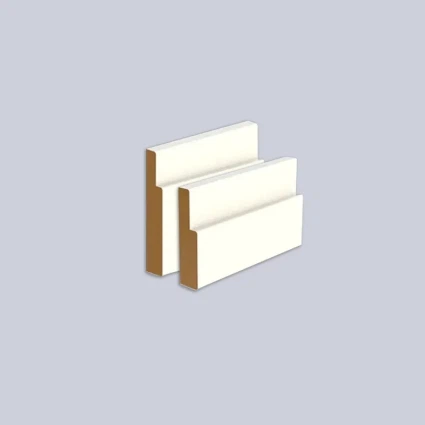
In a dry environment, though, MDF Jambs can do quite well. For example, in an interior room of a house where the humidity is kept at a normal level, the jamb is less likely to warp, swell, or rot. On the other hand, if you install an MDF Jamb in a coastal area where there's a lot of salt in the air, that can also cause problems. The salt can corrode the jamb over time, reducing its lifespan.
Quality of Installation
How the MDF Jamb is installed also plays a huge role. If it's not installed properly, it can start to have issues right away. For instance, if the jamb isn't level when it's put in, it can put stress on the material, causing it to crack or warp. Also, if the nails or screws used to attach the jamb are too big or too small, or if they're not driven in correctly, it can damage the MDF.
A professional installer will know how to handle MDF Jamb correctly. They'll make sure it's properly sealed around the edges to prevent moisture from getting in. They'll also use the right fasteners and techniques to ensure a secure and long - lasting installation.
Usage and Maintenance
How the door and the jamb are used matters too. If it's a high - traffic area, like the front door of a commercial building, the jamb is going to take more wear and tear. People bumping into it, slamming the door, and moving furniture in and out can all cause damage.
Commercial Door Jamb might need to be more durable than those in a residential setting. In a commercial space, you might want to consider adding some extra protection, like a kick plate or a bumper.
Maintenance is also key. Regularly cleaning the MDF Jamb and checking for any signs of damage can help extend its life. If you notice a small crack or a chip, you can fix it right away before it gets worse. And if you keep the jamb painted, it will provide an extra layer of protection against moisture and other elements.
Quality of the MDF Jamb
Not all MDF Jambs are created equal. The quality of the MDF used in the jamb can vary from one supplier to another. Higher - quality MDF will generally last longer. It will be more dense, have fewer voids, and be more resistant to moisture and damage.
When you're choosing an MDF Jamb, it's important to look for a supplier who uses good - quality materials. As a supplier myself, I take pride in providing high - quality MDF Jambs. We use the best - grade MDF and have strict quality control measures in place to ensure that every jamb we sell meets our standards.
Ways to Extend the Lifespan
If you want your MDF Jamb to last as long as possible, there are a few things you can do. First, make sure to seal the jamb with a good quality primer and paint. This will create a barrier against moisture and dirt. You can also use a clear sealant on the edges for extra protection.
Another tip is to avoid using harsh chemicals on the jamb. These can damage the paint and the MDF itself. Instead, use a mild soap and water solution for cleaning.
If you live in a high - humidity area, consider using a dehumidifier in the room where the jamb is installed. This will help keep the moisture level down and reduce the risk of damage to the jamb.
Conclusion
So, to answer the question "How long does MDF Jamb usually last?", it really depends on a bunch of factors. In a good environment, with proper installation, usage, and maintenance, an MDF Jamb can last 10 to 20 years or even more. But if it's exposed to moisture, installed poorly, or subjected to a lot of wear and tear, its lifespan can be significantly shorter.
As a supplier, I'm here to help you choose the right MDF Jamb for your needs. Whether it's for a residential or commercial project, we have a wide range of options available. If you're interested in purchasing MDF Jambs or have any questions about them, don't hesitate to reach out. We're always happy to discuss your project and provide you with the best solutions. Let's work together to make sure your doors have a long - lasting and reliable jamb.
References
- "The Complete Guide to Door Jambs" by Home Improvement Magazine
- "MDF: Properties and Applications" by Wood Products Research Institute