

When it comes to choosing the right flooring for your home or commercial space, one crucial factor that often gets overlooked is sound insulation performance. As a leading supplier of Solid Wood Parquet, I've witnessed firsthand the transformative power of high - quality flooring in not only enhancing the aesthetic appeal of a space but also in significantly improving its acoustic properties. In this blog, I'll delve into the sound - insulation performance of solid wood parquet, exploring what makes it a great choice for those seeking a quieter and more comfortable environment.
Understanding Sound Insulation
Before we discuss the sound - insulation capabilities of solid wood parquet, it's important to understand the basics of sound insulation. Sound travels in waves, and when these waves encounter a surface, they can either be absorbed, reflected, or transmitted. Good sound insulation materials are those that can effectively reduce the transmission of sound waves from one area to another. In a building context, this means minimizing the amount of noise that can pass through floors, walls, and ceilings.
There are two main types of sound that we need to consider: airborne sound and impact sound. Airborne sound includes things like voices, music, and traffic noise. Impact sound, on the other hand, is caused by physical impacts on a surface, such as footsteps, furniture being moved, or objects being dropped. A high - performing flooring material should be able to address both types of sound.
Sound - Insulation Performance of Solid Wood Parquet
Solid wood parquet has several inherent properties that contribute to its sound - insulation performance.
Density and Mass
One of the key factors in sound insulation is the density and mass of the material. Solid wood parquet is made from real wood, which has a relatively high density compared to some other flooring materials. The greater the mass of a material, the more difficult it is for sound waves to pass through it. When sound waves hit the solid wood parquet, a significant portion of the energy is absorbed by the wood fibers, reducing the amount of sound that is transmitted to the space below or adjacent.
Structure and Composition
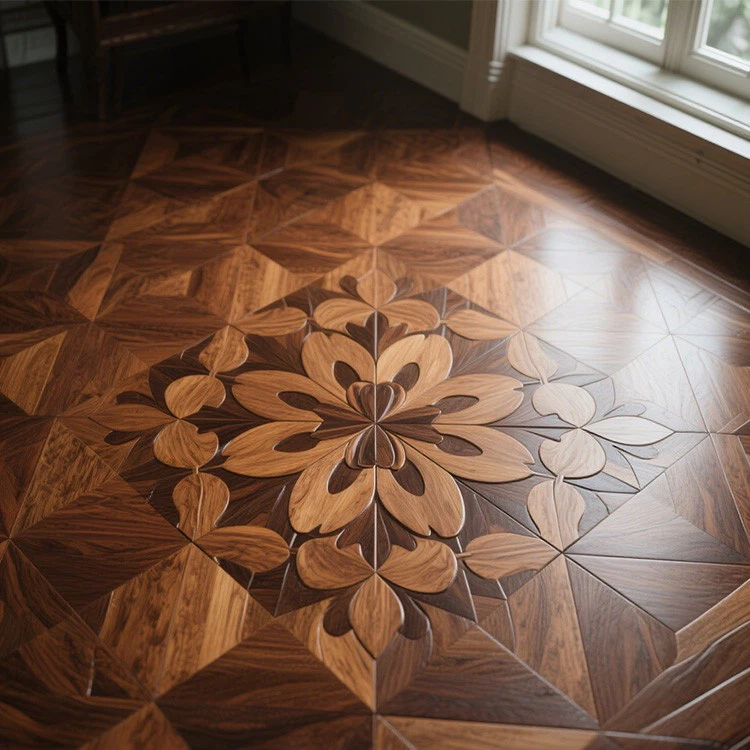
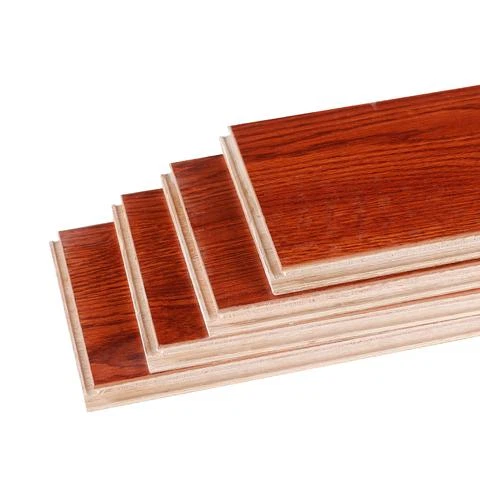
The structure of solid wood parquet also plays a role in its sound - insulation capabilities. Most solid wood parquet is made up of multiple layers of wood that are arranged in a specific pattern. This multi - layer structure helps to break up and disperse sound waves as they travel through the flooring. Each layer can absorb and reflect different frequencies of sound, further enhancing the overall sound - insulation performance.
Air Pockets
Another advantage of solid wood parquet is the presence of small air pockets within the wood. These air pockets act as natural sound absorbers. When sound waves enter these air pockets, they bounce around and lose energy, which helps to reduce the overall noise level.
Comparison with Other Flooring Materials
To better understand the sound - insulation performance of solid wood parquet, let's compare it with some other common flooring materials.
Carpet
Carpets are well - known for their sound - absorption properties, especially when it comes to impact sound. They can effectively muffle the sound of footsteps and other impacts. However, carpets may not be as effective at blocking airborne sound. In addition, carpets require regular cleaning and maintenance, and over time, they can accumulate dust and allergens. Solid wood parquet, on the other hand, is relatively easy to clean and maintain, and it can provide a good balance of both airborne and impact sound insulation.
Laminate Flooring
Laminate flooring is a popular and cost - effective option, but its sound - insulation performance is generally not as good as that of solid wood parquet. Laminate flooring is often made from a thin layer of synthetic material that is bonded to a fiberboard core. This structure is less effective at absorbing and blocking sound compared to the natural wood fibers in solid wood parquet. Additionally, laminate flooring can sometimes produce a hollow, echoing sound when walked on, which can be a drawback in terms of acoustic comfort.
Tile Flooring
Tile flooring is very durable and easy to clean, but it is a poor sound insulator. Tiles are hard and dense, which means they reflect sound waves rather than absorb them. This can lead to a lot of echo and reverberation in a room, making it a noisy environment. Solid wood parquet, with its ability to absorb and disperse sound, can provide a much quieter and more comfortable space.
Factors Affecting the Sound - Insulation Performance of Solid Wood Parquet
While solid wood parquet generally has good sound - insulation properties, there are several factors that can affect its performance.
Thickness
The thickness of the solid wood parquet can have a significant impact on its sound - insulation performance. Thicker parquet will generally provide better sound insulation because it has more mass and can absorb more sound energy. For example, 18mm Wood Flooring will typically offer better sound - insulation than a thinner option.
Underlayment
The type of underlayment used beneath the solid wood parquet can also make a big difference. A high - quality underlayment can act as an additional layer of sound insulation. There are different types of underlayments available, such as cork, rubber, and foam. Cork underlayment, for instance, is a natural material that has excellent sound - absorption properties. It can help to further reduce both airborne and impact sound.
Installation
Proper installation is crucial for achieving optimal sound - insulation performance. If the solid wood parquet is not installed correctly, there may be gaps or unevenness in the flooring, which can allow sound to leak through. It's important to hire a professional installer who has experience with solid wood parquet to ensure a tight and secure fit.
Real - World Applications
Solid wood parquet's sound - insulation performance makes it a great choice for a variety of applications.
Residential Buildings
In homes, solid wood parquet can create a peaceful and quiet living environment. It can reduce the noise from footsteps on upper floors, making it more comfortable for those living below. It also helps to minimize the transmission of airborne noise between rooms, allowing for more privacy. For example, in a multi - story house, installing solid wood parquet on the upper floors can significantly reduce the noise that reaches the lower levels.
Commercial Spaces
In commercial spaces such as offices, hotels, and restaurants, sound insulation is also very important. In an office environment, solid wood parquet can help to reduce distractions from colleagues' conversations and movements, improving productivity. In hotels and restaurants, it can enhance the guest experience by providing a quieter and more relaxing atmosphere.
Conclusion
In conclusion, solid wood parquet offers excellent sound - insulation performance due to its density, structure, and natural properties. It can effectively reduce both airborne and impact sound, making it a great choice for a wide range of applications. Whether you're building a new home or renovating a commercial space, considering the sound - insulation capabilities of your flooring is essential for creating a comfortable and quiet environment.
As a supplier of Solid Wood Parquet and Golden Oak Engineered Wood Flooring, I'm committed to providing high - quality products that not only look beautiful but also perform well in terms of sound insulation. If you're interested in learning more about our solid wood parquet or discussing your flooring needs, I encourage you to get in touch with us. We'd be happy to assist you in choosing the right flooring solution for your project.
References
- "Handbook of Acoustics" by Leo L. Beranek
- "Building Acoustics" by Trevor Cox and Peter D'Antonio
- Research papers on the acoustic properties of wood materials from various academic journals.