

As a seasoned WPC flooring supplier, I understand the importance of proper storage to maintain the quality and integrity of our products before installation. WPC (Wood-Plastic Composite) flooring is a popular choice for its durability, water resistance, and aesthetic appeal. However, improper storage can lead to issues such as warping, swelling, or discoloration, which can ultimately affect the final installation and customer satisfaction. In this blog post, I will share the best practices for storing WPC flooring to ensure it remains in optimal condition until it's time to install.
Understanding WPC Flooring Characteristics
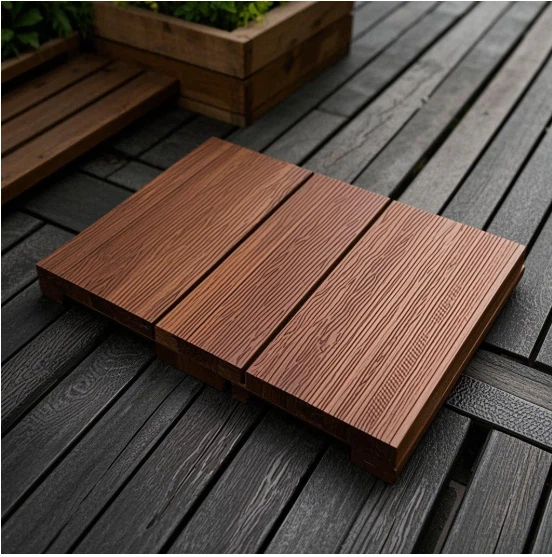
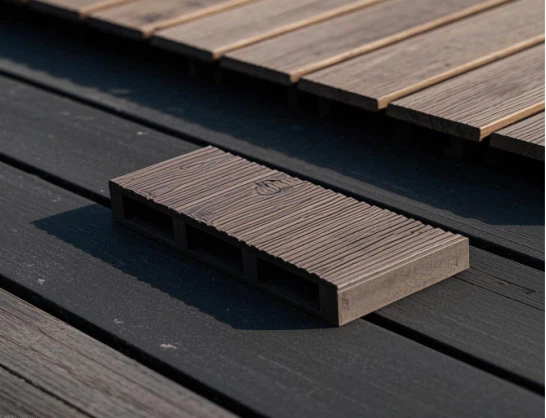
Before delving into storage methods, it's essential to understand the unique characteristics of WPC flooring. WPC flooring is made from a combination of wood fibers and plastic polymers, which gives it its strength and durability. However, these materials can be sensitive to environmental factors such as temperature, humidity, and sunlight. Excessive heat or moisture can cause the flooring to expand or contract, leading to gaps or buckling during installation. Therefore, proper storage conditions are crucial to prevent these issues.
Ideal Storage Conditions
The ideal storage environment for WPC flooring is a cool, dry, and well-ventilated area. The temperature should be maintained between 60°F and 80°F (15°C and 27°C), and the relative humidity should be kept between 30% and 50%. These conditions help to prevent the flooring from warping or swelling due to changes in temperature or moisture.
Protecting from Moisture
Moisture is one of the biggest enemies of WPC flooring. Exposure to water or high humidity can cause the flooring to absorb moisture, leading to swelling, warping, or mold growth. To protect the flooring from moisture, it should be stored off the ground on pallets or racks. This allows air to circulate underneath the flooring and prevents it from coming into contact with any moisture on the floor.
In addition, the storage area should be free from leaks or condensation. If the storage area is prone to moisture, consider using a dehumidifier to maintain the proper humidity levels. Covering the flooring with a plastic tarp or moisture-resistant barrier can also provide an extra layer of protection.
Shielding from Sunlight
Sunlight can cause the color of WPC flooring to fade or change over time. To prevent this, the flooring should be stored in a dark or shaded area. If the storage area has windows, consider covering them with blinds or curtains to block out the sunlight.
Stacking and Handling
Proper stacking and handling of WPC flooring are also important to prevent damage. The flooring should be stacked in a stable and secure manner, with the planks aligned and supported evenly. Avoid stacking the flooring too high, as this can cause the planks at the bottom to become compressed or damaged.
When handling the flooring, use caution to avoid scratching or denting the surface. Wear gloves to protect the flooring from fingerprints or other marks. If possible, use a forklift or other equipment to move the flooring to minimize the risk of damage.
Acclimation
Before installation, it's recommended to acclimate the WPC flooring to the installation environment. This allows the flooring to adjust to the temperature and humidity of the room, reducing the risk of warping or buckling after installation. To acclimate the flooring, leave it in the installation area for at least 48 to 72 hours before installation. Keep the packaging intact during the acclimation period to protect the flooring from dust and debris.
Specific Storage Considerations for Different Types of WPC Flooring
There are different types of WPC flooring available, such as Solid WPC Flooring and Wpc Click Flooring, each with its own unique characteristics and storage requirements.
- Solid WPC Flooring: Solid WPC flooring is typically thicker and more rigid than other types of WPC flooring. It is less prone to warping or swelling, but it still requires proper storage to maintain its quality. When storing solid WPC flooring, follow the general storage guidelines mentioned above, paying particular attention to protecting it from moisture and sunlight.
- Wpc Click Flooring: Wpc Click Flooring features a click-lock system that allows for easy installation. The click-lock joints can be sensitive to damage, so it's important to handle the flooring with care during storage and transportation. Avoid stacking the flooring too tightly, as this can put pressure on the click-lock joints and cause them to become misaligned or damaged.
Conclusion
Proper storage of WPC flooring is essential to ensure its quality and performance. By following the best practices outlined in this blog post, you can protect the flooring from damage and ensure it remains in optimal condition until it's time to install. Remember to store the flooring in a cool, dry, and well-ventilated area, protect it from moisture and sunlight, stack and handle it properly, and allow it to acclimate to the installation environment.
If you have any questions or need further information about storing WPC flooring, please don't hesitate to [contact us]([Link to contact page]). We're here to help you make the most of your WPC flooring investment.
References
- "WPC Flooring Installation Guide." [Manufacturer's website]
- "Best Practices for Storing Flooring." [Industry publication]
- "Understanding the Effects of Temperature and Humidity on Flooring." [Research study]