

Solid WPC flooring, an innovative and increasingly popular flooring solution, has been making waves in the construction and interior design industries. As a supplier of Solid WPC Flooring, I am excited to delve into the details of this remarkable product, exploring its composition, advantages, applications, and more.
What is Solid WPC Flooring?
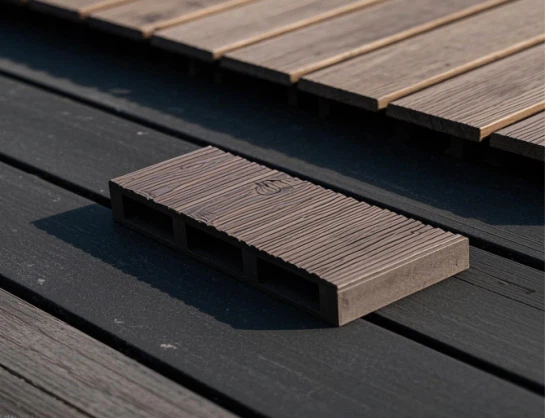
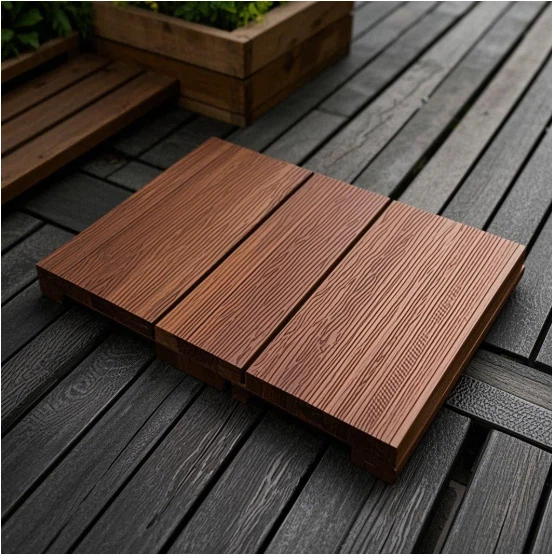
Solid WPC (Wood - Plastic Composite) flooring is a type of flooring material that combines wood fibers or flour with thermoplastics, typically polyvinyl chloride (PVC). The wood component gives the flooring a natural look and feel, while the plastic component provides durability, moisture resistance, and other beneficial properties. Unlike traditional wood flooring, Solid WPC Flooring does not rely solely on natural wood, which makes it a more sustainable and eco - friendly option in many cases.
The manufacturing process of Solid WPC Flooring involves mixing the wood fibers and plastic resin under heat and pressure. This creates a homogeneous material that can be extruded or molded into various shapes and sizes. The resulting flooring planks are dense, solid, and have a consistent structure throughout.
Composition and Structure
The basic composition of Solid WPC Flooring consists of approximately 60 - 70% wood flour and 30 - 40% plastic resin. The wood flour is usually sourced from recycled wood waste, such as sawdust and wood chips, which reduces the demand for virgin wood resources. The plastic resin, often PVC, acts as a binder and provides the flooring with its strength and durability.
In addition to the wood - plastic core, Solid WPC Flooring typically has a wear layer on the top surface. This wear layer is made of a transparent, scratch - resistant material, such as urethane or aluminum oxide. It protects the flooring from daily wear and tear, including scratches, scuffs, and stains. Some Solid WPC Flooring also comes with an attached underlayment, which provides additional cushioning and sound insulation.
Advantages of Solid WPC Flooring
- Water Resistance: One of the most significant advantages of Solid WPC Flooring is its exceptional water resistance. Unlike traditional wood flooring, which can warp, swell, and rot when exposed to moisture, Solid WPC Flooring can withstand high levels of humidity and even direct contact with water. This makes it an ideal choice for areas prone to moisture, such as bathrooms, kitchens, basements, and laundry rooms.
- Durability: Solid WPC Flooring is highly durable and can withstand heavy foot traffic, furniture movement, and other forms of wear and tear. The wear layer on the top surface provides excellent scratch and stain resistance, ensuring that the flooring maintains its appearance for years to come. Additionally, the solid core structure of the flooring makes it less prone to denting and cracking compared to some other types of flooring.
- Ease of Installation: Solid WPC Flooring is relatively easy to install, especially when compared to traditional hardwood flooring. Many Solid WPC Flooring products come with a click - lock system, which allows the planks to be easily interlocked without the need for nails, glue, or other adhesives. This makes it a popular choice for DIY projects, as it can significantly reduce installation time and cost.
- Aesthetic Appeal: Solid WPC Flooring comes in a wide range of colors, patterns, and textures, allowing you to achieve the look of natural wood, stone, or tile without the associated maintenance and cost. Whether you prefer the warm, rustic look of oak or the sleek, modern look of marble, there is a Solid WPC Flooring option to suit your style.
- Sustainability: As mentioned earlier, Solid WPC Flooring is a more sustainable option compared to traditional wood flooring. By using recycled wood waste and plastic resin, it reduces the demand for virgin wood resources and helps to minimize environmental impact. Additionally, many Solid WPC Flooring products are recyclable at the end of their lifespan, further contributing to a circular economy.
Applications of Solid WPC Flooring
Solid WPC Flooring is suitable for a variety of residential and commercial applications. In residential settings, it can be used in living rooms, bedrooms, hallways, kitchens, bathrooms, and basements. Its water resistance and durability make it an excellent choice for high - traffic areas and areas prone to moisture.
In commercial settings, Solid WPC Flooring is commonly used in offices, retail stores, restaurants, hotels, and other public spaces. Its ability to withstand heavy foot traffic and maintain its appearance over time makes it a cost - effective and practical flooring solution for commercial applications.
Comparing Solid WPC Flooring with Other Flooring Types
- Solid WPC Flooring vs. Hardwood Flooring: While hardwood flooring is known for its natural beauty and timeless appeal, it requires more maintenance and is more susceptible to water damage and scratches. Solid WPC Flooring, on the other hand, offers similar aesthetic appeal with the added benefits of water resistance, durability, and ease of installation.
- Solid WPC Flooring vs. Laminate Flooring: Laminate flooring is a popular and affordable flooring option, but it lacks the durability and water resistance of Solid WPC Flooring. Laminate flooring is also more prone to chipping and peeling, especially in high - traffic areas. Solid WPC Flooring provides a more robust and long - lasting solution, making it a better choice for areas with heavy use.
- Solid WPC Flooring vs. Vinyl Flooring: Vinyl flooring is another water - resistant flooring option, but it may not have the same natural look and feel as Solid WPC Flooring. Solid WPC Flooring combines the best of both worlds, offering the water resistance of vinyl with the aesthetic appeal of natural wood.
Maintenance of Solid WPC Flooring
Maintaining Solid WPC Flooring is relatively easy. Regular sweeping or vacuuming to remove dirt and debris is recommended. For more thorough cleaning, you can use a damp mop with a mild, pH - neutral cleaner. Avoid using abrasive cleaners or scrub brushes, as these can damage the wear layer of the flooring.
In case of spills, it is important to clean them up promptly to prevent staining. For stubborn stains, you can use a specialized floor cleaner designed for Solid WPC Flooring. Additionally, it is advisable to use furniture pads under heavy furniture to prevent scratching and denting.
Conclusion
Solid WPC Flooring is a versatile, durable, and aesthetically pleasing flooring solution that offers numerous advantages over traditional flooring types. Whether you are looking to renovate your home or outfit a commercial space, Solid WPC Flooring is definitely worth considering. As a supplier of Solid WPC Flooring, I am committed to providing high - quality products and excellent customer service. If you are interested in learning more about our Solid WPC Flooring products or would like to discuss your flooring needs, please feel free to contact us. We look forward to the opportunity to work with you and help you find the perfect flooring solution for your project.
If you are specifically interested in Wpc Click Flooring, which is a type of Solid WPC Flooring with a convenient click - lock installation system, we also have a wide range of options available. Our team of experts can guide you through the selection process and ensure that you get the best product for your requirements.
References
- "Wood - Plastic Composites: From Synthesis to Structural Applications" by A. K. Mohanty, M. Misra, and L. T. Drzal
- "Flooring Materials: A Comprehensive Guide" by John Smith
- Industry reports and research on flooring trends and technologies.