

Hey there! As a supplier of Solid WPC Flooring, I've seen my fair share of stained floors. And let me tell you, it can be a real headache. But don't worry, I'm here to share some tips on how to remove stains from Solid WPC Flooring.
First off, let's talk about what Solid WPC Flooring is. Solid WPC (Wood Plastic Composite) Flooring is a popular choice for many homeowners and businesses because it's durable, water-resistant, and easy to install. It's made from a blend of wood fibers and plastic, which gives it the look and feel of real wood without the maintenance. You can check out more about it on our website Solid WPC Flooring.
Now, let's get into the different types of stains and how to remove them.
Common Stains and Their Removal Methods
1. Food and Beverage Stains
These are probably the most common stains you'll encounter on your floors. Whether it's a spilled glass of red wine, a drop of ketchup, or a splash of coffee, food and beverage stains can be a real eyesore.
For mild stains, start by blotting the area with a clean, dry cloth to remove as much of the spill as possible. Then, mix a small amount of mild dish soap with warm water. Dip a soft sponge or cloth into the soapy water, wring it out well so it's only slightly damp, and gently wipe the stained area. Rinse the sponge or cloth with clean water and wipe the area again to remove any soap residue. Finally, dry the area with a clean towel.
If the stain is more stubborn, you can try using a mixture of baking soda and water. Make a paste by combining equal parts baking soda and water, and apply it to the stain. Let it sit for a few minutes, then gently scrub the area with a soft brush or sponge. Rinse the area thoroughly with clean water and dry it.
2. Grease and Oil Stains
Grease and oil stains can be a bit trickier to remove because they tend to seep into the pores of the flooring. But don't worry, there are a few methods you can try.
One option is to use a degreaser. You can find degreasers at your local hardware store or online. Follow the instructions on the product label, but generally, you'll want to apply the degreaser to the stained area and let it sit for a few minutes. Then, use a soft brush or sponge to scrub the area gently. Rinse the area thoroughly with clean water and dry it.
Another option is to use cornstarch. Sprinkle a generous amount of cornstarch over the grease or oil stain and let it sit for at least 15 minutes. The cornstarch will absorb the grease or oil. Then, sweep or vacuum up the cornstarch. If the stain is still visible, you can repeat the process or try using a degreaser.
3. Ink Stains
Ink stains can be a real pain to remove, but it's not impossible. For fresh ink stains, try blotting the area with a clean cloth soaked in rubbing alcohol. Be careful not to rub the stain too hard, as this can spread the ink. Keep blotting until the stain starts to lift. Rinse the area with clean water and dry it.
If the ink stain is older or more stubborn, you can try using a commercial ink remover. Make sure to test the ink remover on a small, inconspicuous area of the flooring first to make sure it doesn't damage the finish. Follow the instructions on the product label, and be sure to rinse the area thoroughly with clean water and dry it after using the ink remover.
4. Rust Stains
Rust stains can be caused by metal objects that have been left on the floor for too long or by water that contains iron. To remove rust stains, you can use a rust remover specifically designed for use on floors. Follow the instructions on the product label, but generally, you'll want to apply the rust remover to the stained area and let it sit for a few minutes. Then, use a soft brush or sponge to scrub the area gently. Rinse the area thoroughly with clean water and dry it.
If you don't have a rust remover on hand, you can try using lemon juice or white vinegar. Apply the lemon juice or white vinegar to the rust stain and let it sit for a few minutes. Then, use a soft brush or sponge to scrub the area gently. Rinse the area thoroughly with clean water and dry it.
Preventing Stains on Solid WPC Flooring
Of course, the best way to deal with stains is to prevent them from happening in the first place. Here are some tips to help you keep your Solid WPC Flooring looking its best:
- Use doormats: Place doormats at all entrances to your home or business to trap dirt and debris before it gets onto your floors. Make sure to clean the doormats regularly.
- Clean up spills immediately: As soon as a spill occurs, blot it up with a clean, dry cloth. The longer a spill sits on the floor, the more likely it is to stain.
- Avoid using harsh chemicals: Harsh chemicals can damage the finish of your Solid WPC Flooring. Stick to mild cleaning products like dish soap and warm water.
- Use furniture pads: Place furniture pads under the legs of your furniture to prevent scratches and dents on your floors.
- Trim your pets' nails: Long nails can scratch the surface of your floors. Keep your pets' nails trimmed to prevent damage.
Conclusion
Removing stains from Solid WPC Flooring doesn't have to be a difficult task. By following the tips and methods outlined in this blog post, you can keep your floors looking clean and beautiful for years to come.
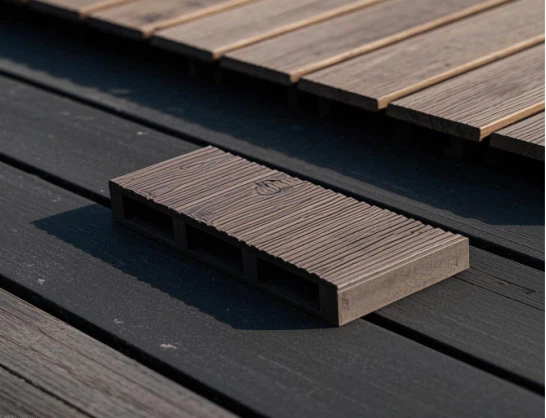
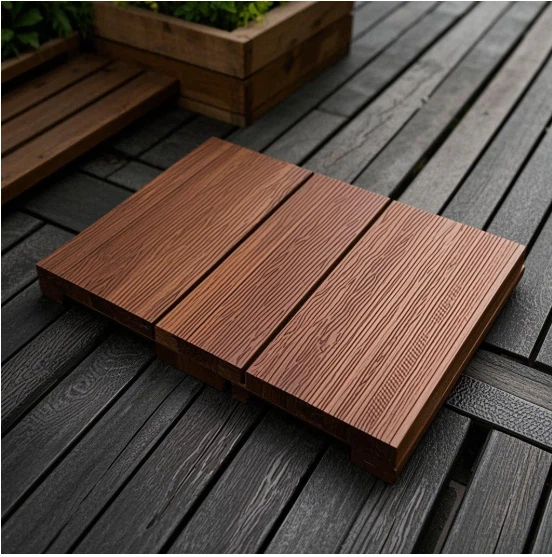
If you're in the market for high-quality Solid WPC Flooring or Wpc Click Flooring, I'd love to chat with you. Whether you're a homeowner looking to renovate your space or a business owner in need of durable flooring solutions, we've got you covered. Don't hesitate to reach out to us to discuss your flooring needs and get a quote.
References
- "Cleaning and Maintenance Guide for WPC Flooring," Flooring Industry Association.
- "Stain Removal Tips for Composite Flooring," Home Improvement Magazine.