

Hey there! As a supplier of Solid WPC Flooring, I often get asked, "Do I need underlayment for Solid WPC Flooring?" Well, let's dive right into this topic and figure it out together.
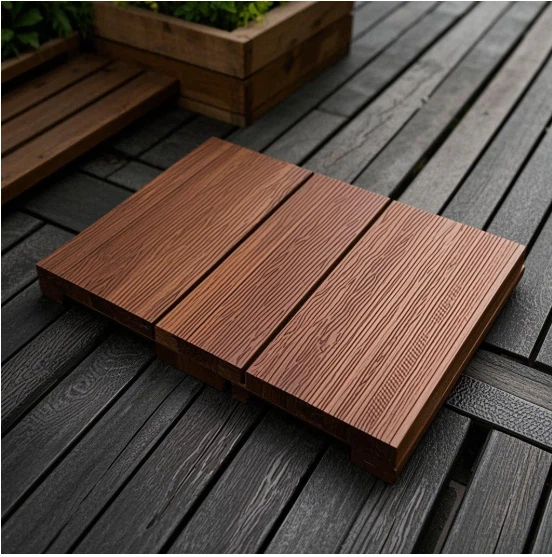
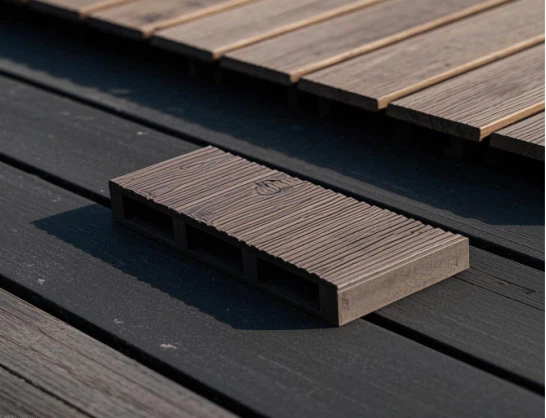
First off, let's understand what Solid WPC Flooring is. Solid WPC (Wood Plastic Composite) Flooring is a popular choice these days. It combines the look of real wood with the durability and water - resistance of plastic. You can check out more about it Solid WPC Flooring. It's a great option for both residential and commercial spaces, thanks to its easy installation process and low maintenance requirements.
Now, let's talk about underlayment. Underlayment is a thin layer that goes between the subfloor and the actual flooring. It serves several purposes, but the question is, does Solid WPC Flooring need it?
Benefits of Using Underlayment with Solid WPC Flooring
1. Sound Insulation
One of the main benefits of using an underlayment is sound insulation. If you're installing Solid WPC Flooring in an area where noise can be an issue, like an apartment or a commercial space with a lot of foot traffic, an underlayment can help reduce the sound of footsteps and other noises. It acts as a buffer between the subfloor and the flooring, absorbing some of the vibrations and reducing the amount of sound that travels through the floor.
2. Moisture Barrier
Even though Solid WPC Flooring is water - resistant, an underlayment can add an extra layer of protection against moisture. If your subfloor has any minor moisture issues, the underlayment can prevent that moisture from seeping into the Solid WPC Flooring and causing damage over time. This is especially important in basements or areas prone to high humidity.
3. Smoothing the Subfloor
Not all subfloors are perfectly smooth. If your subfloor has small bumps, dips, or uneven areas, an underlayment can help smooth them out. This ensures that your Solid WPC Flooring lays flat and looks its best. A smooth surface also makes the installation process easier and can prevent the flooring from cracking or warping in the future.
4. Comfort
An underlayment can add a bit of extra cushioning to your floor, making it more comfortable to walk on. This is especially beneficial in areas where you'll be standing for long periods, like kitchens or offices. It can reduce fatigue and make your space more pleasant to be in.
When You Might Not Need Underlayment
1. Perfect Subfloor
If your subfloor is already perfectly smooth, dry, and level, you might not need an underlayment. Solid WPC Flooring can be installed directly on a good - quality subfloor without any issues. In this case, the cost and time of installing an underlayment might not be worth it.
2. Cost - Conscious
Underlayment adds to the overall cost of your flooring project. If you're on a tight budget, you might choose to skip the underlayment. However, keep in mind that in the long run, the benefits of an underlayment, such as sound insulation and moisture protection, could save you money by preventing damage to your flooring.
3. Quick Installation
If you're looking for a quick and easy installation, installing Solid WPC Flooring without an underlayment can save you some time. Some types of Wpc Click Flooring are designed to be installed directly on the subfloor, and skipping the underlayment can speed up the process.
Types of Underlayment for Solid WPC Flooring
1. Foam Underlayment
Foam underlayment is a popular choice because it's affordable and easy to install. It provides good sound insulation and some cushioning. However, it might not be the best option for areas with high moisture, as it can absorb water over time.
2. Rubber Underlayment
Rubber underlayment is more expensive than foam but offers better moisture resistance and sound insulation. It's also very durable and can last a long time. This is a great option for areas with high foot traffic or where moisture is a concern.
3. Felt Underlayment
Felt underlayment is made from recycled materials and is environmentally friendly. It provides good sound insulation and some cushioning. However, it might not be as moisture - resistant as rubber underlayment.
Making the Decision
So, do you need underlayment for Solid WPC Flooring? Well, it depends on your specific situation. Consider the condition of your subfloor, your budget, and your priorities. If sound insulation, moisture protection, or comfort are important to you, then an underlayment is probably a good idea. But if you have a perfect subfloor and are on a tight budget, you might be able to skip it.
As a Solid WPC Flooring supplier, I'm here to help you make the best decision for your project. Whether you choose to use an underlayment or not, we have a wide range of high - quality Solid WPC Flooring options to suit your needs.
If you're interested in purchasing Solid WPC Flooring or have any questions about underlayment or installation, feel free to reach out. We're always happy to assist you with your flooring project and provide you with all the information you need to make an informed decision.
References
- "Flooring Installation Guide," Flooring Industry Association
- "Wood Plastic Composite Flooring: Properties and Applications," Journal of Building Materials