

When it comes to flooring options for outdoor spaces, homeowners and contractors often find themselves at a crossroads. Traditional choices like concrete, tile, and natural wood have long dominated the market, but in recent years, Wood-Plastic Composite (WPC) flooring has emerged as a viable alternative. As a WPC flooring supplier, I've received numerous inquiries about the suitability of WPC flooring for outdoor use. In this blog post, I'll delve into the characteristics of WPC flooring, its advantages and limitations for outdoor applications, and factors to consider before making a decision.
Understanding WPC Flooring
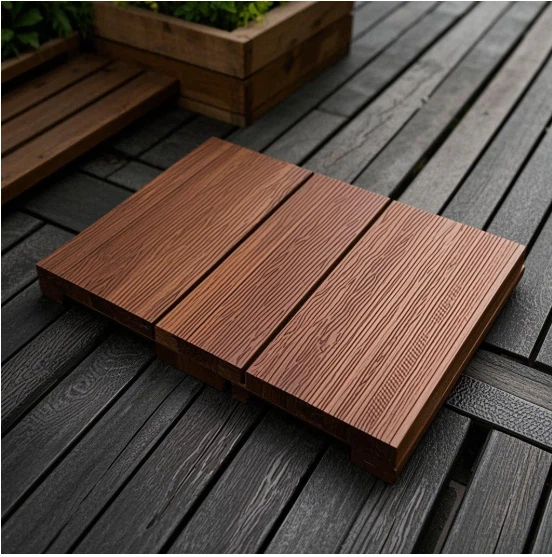
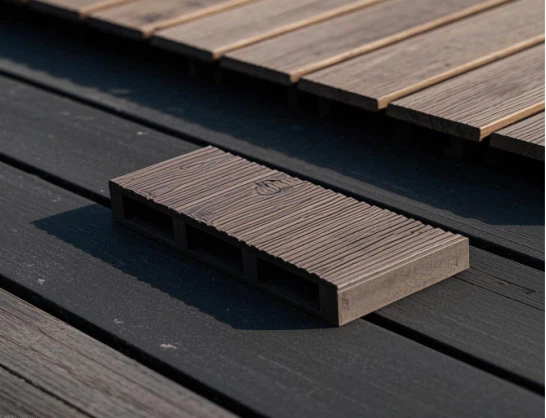
WPC flooring is a composite material made from a blend of wood fibers or flour and thermoplastics, typically polyvinyl chloride (PVC). This combination results in a product that combines the natural aesthetic of wood with the durability and low maintenance of plastic. WPC flooring comes in various styles and finishes, including Wpc Click Flooring and Solid WPC Flooring, offering a wide range of design options to suit different tastes and preferences.
Advantages of Using WPC Flooring Outdoors
Durability
One of the primary advantages of WPC flooring for outdoor use is its durability. Unlike natural wood, which is susceptible to rot, decay, and insect damage, WPC flooring is highly resistant to moisture, mold, and mildew. This makes it an ideal choice for areas exposed to the elements, such as patios, decks, and pool surrounds. Additionally, WPC flooring is more scratch and dent-resistant than traditional wood flooring, ensuring a long-lasting and attractive appearance.
Low Maintenance
Another significant benefit of WPC flooring is its low maintenance requirements. Unlike natural wood, which requires regular staining, sealing, and cleaning, WPC flooring can be easily maintained with a simple sweep and occasional mopping. This not only saves time and effort but also reduces the overall cost of ownership.
Aesthetic Appeal
WPC flooring offers a wide range of colors, textures, and patterns that mimic the look of natural wood. This allows homeowners and designers to achieve the desired aesthetic without the limitations and maintenance associated with real wood. Whether you prefer the warm, rustic look of oak or the sleek, modern look of bamboo, there's a WPC flooring option to suit your style.
Slip Resistance
Safety is a top priority when it comes to outdoor flooring, especially in areas prone to wetness, such as pool decks and patios. WPC flooring is designed with a textured surface that provides excellent slip resistance, reducing the risk of accidents and injuries. This makes it a safe and practical choice for families with children and elderly individuals.
Environmental Friendliness
WPC flooring is considered an environmentally friendly option because it is made from recycled materials and can be recycled at the end of its lifespan. Additionally, the production process of WPC flooring consumes less energy and generates fewer greenhouse gas emissions compared to traditional wood flooring. By choosing WPC flooring, you can reduce your carbon footprint and contribute to a more sustainable future.
Limitations of Using WPC Flooring Outdoors
Temperature Sensitivity
While WPC flooring is generally more heat and cold-resistant than natural wood, it can still be affected by extreme temperatures. In hot climates, WPC flooring may expand and warp, while in cold climates, it may become brittle and prone to cracking. To minimize these risks, it's important to choose a high-quality WPC flooring product that is specifically designed for outdoor use and to follow the manufacturer's installation and maintenance guidelines.
Color Fading
Over time, exposure to sunlight can cause the color of WPC flooring to fade. While some manufacturers offer UV-resistant coatings to minimize color fading, it's important to note that no product is completely immune to the effects of sunlight. To reduce the risk of color fading, it's recommended to choose a darker color or to provide shade to the outdoor area.
Cost
Compared to traditional outdoor flooring materials such as concrete and tile, WPC flooring can be more expensive. However, when you consider the long-term benefits of durability, low maintenance, and aesthetic appeal, the cost of WPC flooring may be justified. Additionally, the initial investment in WPC flooring can be offset by the savings in maintenance and replacement costs over time.
Factors to Consider Before Using WPC Flooring Outdoors
Climate
The climate in your area is an important factor to consider when choosing outdoor flooring. If you live in a region with extreme temperatures, high humidity, or heavy rainfall, you'll need to choose a WPC flooring product that is specifically designed to withstand these conditions. Additionally, you may need to take extra precautions, such as providing shade or ventilation, to protect the flooring from damage.
Installation
Proper installation is crucial for the performance and longevity of WPC flooring. It's important to follow the manufacturer's installation guidelines carefully and to use the recommended tools and materials. Additionally, it's recommended to hire a professional installer with experience in installing WPC flooring to ensure a proper and secure installation.
Maintenance
While WPC flooring is relatively low maintenance, it still requires some care and attention to ensure its long-term performance. It's important to follow the manufacturer's maintenance guidelines, which may include regular cleaning, sealing, and inspection. Additionally, it's recommended to avoid using harsh chemicals or abrasive cleaners on the flooring, as this can damage the surface.
Warranty
When purchasing WPC flooring for outdoor use, it's important to consider the warranty offered by the manufacturer. A good warranty can provide peace of mind and protect you against defects and premature wear. Make sure to read the warranty carefully and understand the terms and conditions before making a purchase.
Conclusion
In conclusion, WPC flooring can be a suitable option for outdoor use, offering a combination of durability, low maintenance, aesthetic appeal, and safety. However, it's important to consider the limitations and factors discussed above before making a decision. By choosing a high-quality WPC flooring product, following the manufacturer's installation and maintenance guidelines, and considering the specific needs of your outdoor space, you can enjoy the benefits of WPC flooring for many years to come.
If you're interested in learning more about our WPC flooring products or have any questions about using WPC flooring outdoors, please don't hesitate to contact us. Our team of experts is here to assist you with your flooring needs and help you make an informed decision. We look forward to working with you to create the perfect outdoor space for your home or business.
References
- "Wood - Plastic Composite (WPC) Flooring: A Sustainable Alternative for Outdoor Applications." Journal of Sustainable Construction Materials and Technologies.
- "The Durability and Performance of WPC Flooring in Outdoor Environments." International Journal of Flooring Technology.
- Manufacturer's product specifications and installation guides for WPC flooring.