

Can WPC Flooring Be Recycled?
As a supplier of WPC (Wood - Plastic Composite) flooring, I often get asked about the recyclability of our products. WPC flooring has gained significant popularity in recent years due to its durability, aesthetic appeal, and resistance to moisture and pests. However, with the growing emphasis on environmental sustainability, the question of whether WPC flooring can be recycled has become a crucial one.
What is WPC Flooring?
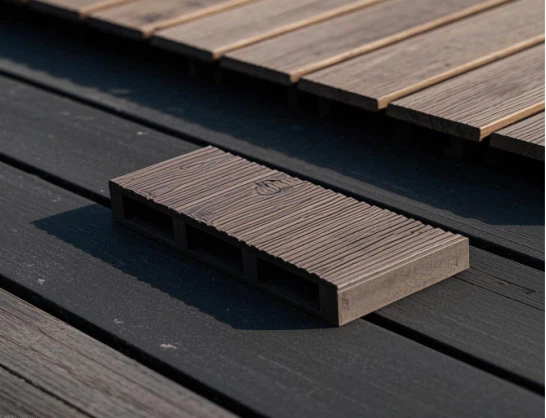
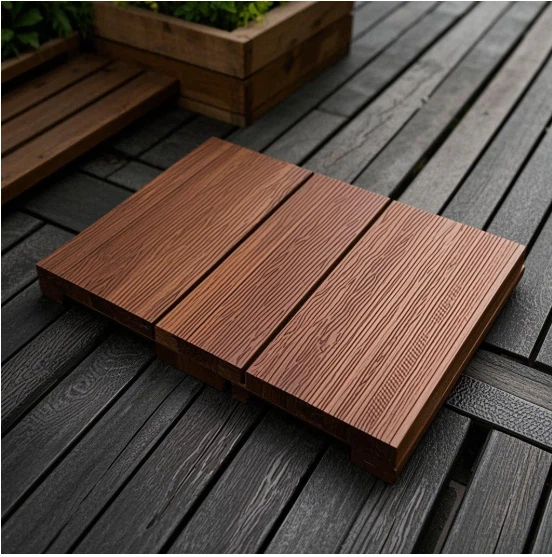
WPC flooring is a composite material made by combining wood fibers or flour with thermoplastics, such as polyethylene (PE), polypropylene (PP), or polyvinyl chloride (PVC). These materials are mixed together under heat and pressure, resulting in a product that combines the best features of wood and plastic. WPC flooring comes in various types, including Solid WPC Flooring and Wpc Click Flooring.
Solid WPC flooring is known for its solid construction, which provides excellent stability and durability. It is suitable for both residential and commercial applications. On the other hand, Wpc Click Flooring features a click - lock system that makes installation quick and easy, without the need for glue.
The Recycling Process of WPC Flooring
The recyclability of WPC flooring depends on several factors, including the type of plastic used, the presence of additives, and the recycling infrastructure available. In theory, WPC flooring can be recycled because both wood and plastic components can be reprocessed.
The first step in recycling WPC flooring is to collect the used or waste materials. This can be done through various channels, such as construction and demolition waste collection, or by partnering with recycling facilities. Once the WPC flooring is collected, it is transported to a recycling plant.
At the recycling plant, the WPC flooring is first shredded into small pieces. This helps to break down the material and make it easier to process. After shredding, the mixture of wood and plastic is separated. This separation process can be challenging because the wood and plastic are tightly bonded together in the WPC flooring. However, advanced technologies, such as density separation and chemical treatment, can be used to achieve a relatively high - quality separation.
Once the wood and plastic are separated, they can be recycled separately. The wood fibers can be used in the production of new wood - based products, such as particleboard or fiberboard. The plastic can be melted down and reused in the manufacturing of new plastic products, including new WPC flooring.
Challenges in Recycling WPC Flooring
Despite the potential for recycling, there are several challenges associated with recycling WPC flooring. One of the main challenges is the complexity of the material. The combination of wood and plastic makes it difficult to separate the two components efficiently. Additionally, WPC flooring often contains additives, such as pigments, stabilizers, and flame retardants, which can further complicate the recycling process.
Another challenge is the lack of a well - established recycling infrastructure for WPC flooring. Unlike traditional materials, such as paper, glass, and metal, there are relatively few recycling facilities that specialize in recycling WPC flooring. This means that in many areas, it may be difficult to find a place to recycle WPC flooring.
Environmental Benefits of Recycling WPC Flooring
Recycling WPC flooring offers several environmental benefits. Firstly, it reduces the amount of waste sent to landfills. WPC flooring is a durable product, but eventually, it will reach the end of its useful life. By recycling WPC flooring, we can prevent it from taking up valuable space in landfills.
Secondly, recycling WPC flooring conserves natural resources. The wood fibers used in WPC flooring come from trees, and the plastic is derived from fossil fuels. By recycling these materials, we can reduce the demand for virgin resources and help to preserve our forests and non - renewable energy sources.
Finally, recycling WPC flooring can also reduce energy consumption. The production of new WPC flooring from recycled materials generally requires less energy compared to producing it from virgin materials. This is because the recycling process involves reusing existing materials, rather than extracting, processing, and refining new raw materials.
Our Commitment to Sustainability
As a WPC flooring supplier, we are committed to promoting sustainability in our industry. We understand the importance of recycling and are actively working to improve the recyclability of our products.
We are constantly researching and developing new technologies to make our WPC flooring more easily recyclable. For example, we are exploring the use of more environmentally friendly additives and improving the bonding process between the wood and plastic components to make separation easier.
In addition, we are also working with recycling facilities and waste management companies to establish better recycling channels for our products. By partnering with these organizations, we hope to increase the amount of WPC flooring that is recycled and reduce the environmental impact of our products.
Contact Us for Sustainable Flooring Solutions
If you are interested in purchasing high - quality, sustainable WPC flooring, we would love to hear from you. Our team of experts can provide you with detailed information about our products, including their recyclability and environmental benefits. We offer a wide range of WPC flooring options, including Solid WPC Flooring and Wpc Click Flooring, to meet your specific needs and preferences.
Whether you are a homeowner looking to renovate your living space or a contractor working on a large - scale project, we can provide you with the best flooring solutions. Contact us today to start a conversation about your flooring requirements and to learn more about how we can contribute to a more sustainable future.
References
- "Wood - Plastic Composites: From Synthesis to Recycling" by X. Chen, Y. Lei, and X. Zhang.
- "Recycling of Wood - Plastic Composites: A Review" by A. K. Bledzki and J. Gassan.
- Industry reports on WPC flooring production and recycling trends.