

Basements present unique challenges when it comes to flooring selection. The environment is often damp, with a higher risk of moisture intrusion, and temperature fluctuations can be more extreme compared to other parts of a building. As a supplier of Wpc Click Flooring, I am frequently asked whether our product is suitable for basement use. In this blog post, I will explore the characteristics of WPC click flooring and evaluate its viability for basements.
Understanding WPC Click Flooring
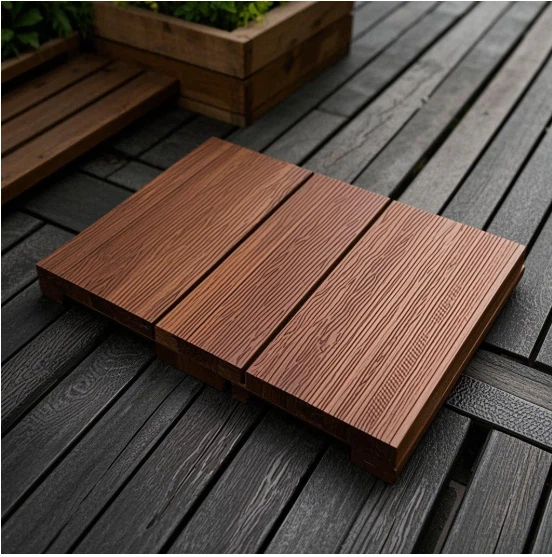
WPC, or Wood Plastic Composite, click flooring is a popular choice for many homeowners and commercial property owners. It combines the natural look of wood with the durability and moisture resistance of plastic. The "click" feature refers to the interlocking system that allows the planks to be easily installed without the need for adhesives. This makes installation quicker and more straightforward, even for DIY enthusiasts.
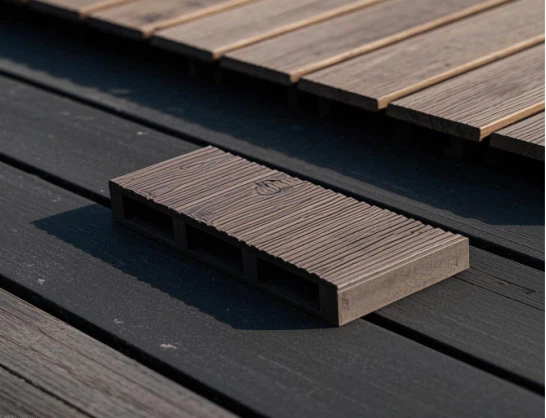
Wpc Click Flooring typically consists of three layers: a wear layer, a core layer, and a backing layer. The wear layer provides protection against scratches, stains, and UV rays, while the core layer is made of a composite material that gives the flooring its strength and stability. The backing layer helps to reduce noise and provides additional support.
Advantages of Using WPC Click Flooring in Basements
Moisture Resistance
One of the primary concerns when installing flooring in a basement is moisture. Basements are prone to dampness, which can lead to mold, mildew, and damage to traditional flooring materials. WPC click flooring is highly resistant to moisture, making it an ideal choice for basements. The composite material used in the core layer is impervious to water, preventing it from warping, swelling, or rotting. This means that even if there is a minor leak or spill in the basement, the flooring will not be damaged.
Durability
Basements are often high-traffic areas, especially if they are used as living spaces or storage areas. WPC click flooring is designed to withstand heavy foot traffic and is highly durable. The wear layer on the surface of the flooring provides excellent scratch and stain resistance, ensuring that the flooring looks new for longer. Additionally, the interlocking system of the click flooring makes it more stable and less likely to shift or move over time.
Easy Installation
As mentioned earlier, the click system of WPC click flooring makes installation quick and easy. This is particularly beneficial in basements, where access may be limited, and installation can be more challenging. With WPC click flooring, you can install the planks yourself without the need for professional help, saving you time and money.
Aesthetic Appeal
WPC click flooring comes in a wide range of styles and colors, allowing you to choose a design that complements the decor of your basement. Whether you prefer a traditional wood look or a more modern, contemporary style, there is a WPC click flooring option available for you. The realistic wood grain and texture of the flooring give it a natural and warm appearance, making your basement feel more inviting.
Challenges and Considerations
Subfloor Preparation
Before installing WPC click flooring in a basement, it is essential to ensure that the subfloor is clean, dry, and level. Any moisture or unevenness in the subfloor can cause the flooring to buckle or warp over time. It is recommended to use a moisture barrier to prevent moisture from seeping through the subfloor and into the flooring. Additionally, the subfloor should be free of any debris or sharp objects that could damage the flooring during installation.
Temperature and Humidity
Basements can experience significant temperature and humidity fluctuations, which can affect the performance of the flooring. Extreme temperatures can cause the flooring to expand or contract, leading to gaps or buckling. It is important to maintain a stable temperature and humidity level in the basement to ensure the longevity of the flooring. Using a dehumidifier can help to control the humidity level and prevent moisture-related issues.
Acoustic Properties
While WPC click flooring provides some noise reduction, it may not be as effective as other flooring materials in reducing impact noise. If noise is a concern in your basement, you may want to consider using an underlayment that provides additional sound insulation.
Types of WPC Click Flooring for Basements
Solid WPC Flooring
Solid WPC flooring is a popular choice for basements due to its high density and durability. It is made of a solid composite material that provides excellent stability and resistance to moisture. Solid WPC flooring is also available in a variety of thicknesses, allowing you to choose the option that best suits your needs.
WPC Click Flooring with Cork Underlayment
Some WPC click flooring products come with a cork underlayment, which provides additional sound insulation and cushioning. Cork is a natural material that is resistant to moisture and mold, making it an ideal choice for basements. The cork underlayment also helps to reduce the impact of footsteps, making the flooring more comfortable to walk on.
Conclusion
In conclusion, Wpc Click Flooring can be a suitable option for basements, provided that the proper precautions are taken. Its moisture resistance, durability, easy installation, and aesthetic appeal make it an attractive choice for homeowners and commercial property owners. However, it is important to ensure that the subfloor is properly prepared, and the temperature and humidity levels are controlled to prevent any issues.
If you are considering using WPC click flooring in your basement, I encourage you to contact us to discuss your specific needs and requirements. Our team of experts can provide you with more information about our products and help you choose the right flooring for your project. We look forward to working with you to create a beautiful and functional basement space.
References
- "Flooring Guide: WPC Flooring," Flooring Inc., accessed [date].
- "Basement Flooring Options," HomeAdvisor, accessed [date].
- "Moisture Control in Basements," EPA, accessed [date].