

Embarking on a home improvement project, like installing solid wood parquet, is an exciting venture that combines creativity with functionality. As a dedicated Solid Wood Parquet supplier, I often encounter homeowners eager to take on the challenge of self - installation. In this blog, we'll explore the feasibility of installing solid wood parquet on your own, weighing the pros and cons, and providing key insights to help you make an informed decision.
Understanding Solid Wood Parquet
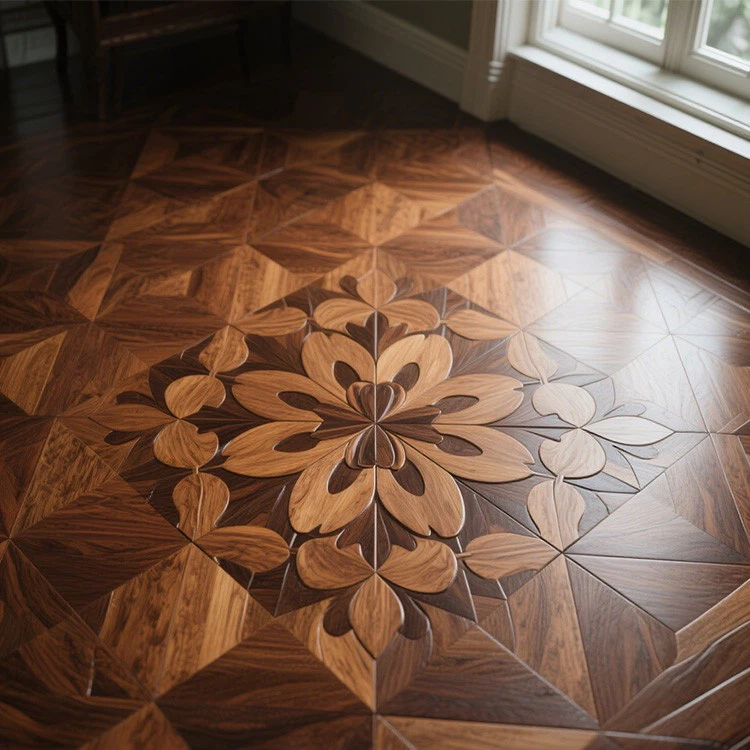
Before diving into the installation process, it's crucial to understand what solid wood parquet is. Solid wood parquet consists of small, individual pieces of solid wood arranged in various patterns, such as herringbone, chevron, or basketweave. Unlike engineered wood flooring, which has a veneer layer on top of a plywood core, solid wood parquet is made entirely of natural wood. This gives it a unique aesthetic appeal and a sense of authenticity that many homeowners desire.
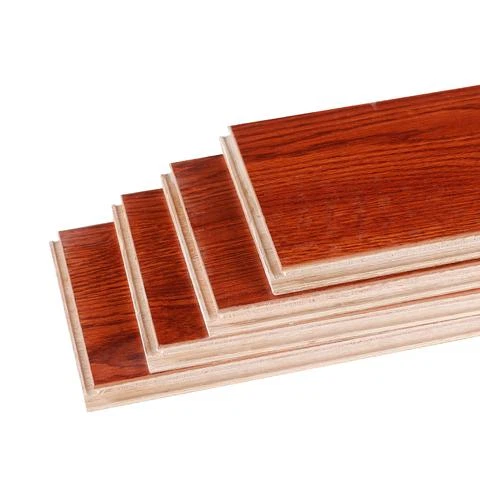
One of our popular products, Golden Oak Engineered Wood Flooring, showcases the beauty of wood in an engineered format. However, if you're specifically interested in the pure solid wood experience, Solid Wood Parquet is the way to go.
Advantages of Self - Installation
Cost Savings
One of the most significant advantages of installing solid wood parquet yourself is the potential for cost savings. Hiring professional installers can be expensive, as labor costs often make up a substantial portion of the total project cost. By taking on the installation yourself, you can allocate your budget towards higher - quality materials, such as our 18mm Wood Flooring, which offers durability and a luxurious look.
Personal Satisfaction
There's a unique sense of accomplishment that comes with completing a home improvement project on your own. Installing solid wood parquet allows you to put your personal touch on your living space. You can take your time to ensure that each piece is laid perfectly, creating a floor that is truly one - of - a - kind.
Learning Experience
Self - installation provides an excellent opportunity to learn new skills. You'll gain a deeper understanding of the materials, tools, and techniques involved in flooring installation. This knowledge can be valuable for future home improvement projects and may even open up new hobbies or career paths in the construction industry.
Challenges of Self - Installation
Skill and Experience
Installing solid wood parquet requires a certain level of skill and experience. The process involves precise cutting, fitting, and alignment of the wood pieces. If you're new to flooring installation, you may encounter difficulties in achieving a professional - looking finish. For example, creating intricate patterns like herringbone or chevron requires advanced measuring and cutting skills.
Tools and Equipment
To install solid wood parquet properly, you'll need a variety of specialized tools and equipment. These may include a table saw, jigsaw, nail gun, floor scraper, and a moisture meter. Purchasing or renting these tools can add to the overall cost of the project. Additionally, you'll need to have a basic understanding of how to use each tool safely and effectively.
Time and Effort
Installing solid wood parquet is a time - consuming process. It can take several days or even weeks to complete, depending on the size of the area and the complexity of the pattern. You'll need to set aside enough time to work on the project consistently and be prepared to deal with unexpected challenges along the way.
Preparing for Self - Installation
Research and Planning
Before you start the installation, it's essential to do thorough research. Read installation guides, watch online tutorials, and consult with experts if possible. Plan out the layout of your floor, taking into account the direction of the wood grain, the pattern you want to use, and any obstacles or irregularities in the room.
Subfloor Preparation
The condition of your subfloor is crucial for a successful installation. The subfloor must be clean, level, and dry. Any unevenness or moisture issues can cause the wood parquet to warp or buckle over time. You may need to sand, level, or repair the subfloor before laying the parquet.
Material Selection
Choose high - quality solid wood parquet that is suitable for your specific needs and environment. Consider factors such as the species of wood, the grade, and the finish. Our Solid Wood Parquet comes in a variety of options to meet different preferences and budgets.
The Installation Process
Acclimation
Before installation, allow the solid wood parquet to acclimate to the environment of the room where it will be installed. This typically takes 3 - 7 days, depending on the humidity and temperature conditions. Acclimation helps prevent the wood from expanding or contracting after installation.
Layout and Marking
Start by laying out the parquet pieces on the subfloor without attaching them. This will help you visualize the pattern and make any necessary adjustments. Use a chalk line or a straightedge to mark the center of the room and the starting point for the installation.
Installation
There are several methods for installing solid wood parquet, including nailing, gluing, or a combination of both. The method you choose will depend on the type of subfloor and the manufacturer's recommendations. For example, if you have a concrete subfloor, gluing may be the best option. If you have a wooden subfloor, nailing or stapling may be more appropriate.
Cutting and Fitting
As you install the parquet, you'll need to cut the wood pieces to fit around obstacles such as doorways, vents, and corners. Use a sharp saw and take your time to make accurate cuts. Test the fit of each piece before nailing or gluing it in place.
Finishing
Once the parquet is installed, you'll need to sand and finish the floor. Sanding helps smooth out any rough edges and prepares the surface for the finish. Choose a finish that is suitable for solid wood, such as a polyurethane or an oil - based finish. Apply the finish according to the manufacturer's instructions, and allow it to dry completely before walking on the floor.
Conclusion
Installing solid wood parquet yourself can be a rewarding but challenging experience. While it offers cost savings, personal satisfaction, and a valuable learning opportunity, it also requires a significant amount of skill, time, and effort. If you're confident in your abilities and willing to put in the work, self - installation can be a great option. However, if you're unsure or don't have the necessary experience, it may be best to hire a professional installer.
As a Solid Wood Parquet supplier, we're here to support you every step of the way. Whether you choose to install the parquet yourself or hire a professional, we can provide you with high - quality materials and expert advice. If you're interested in purchasing our solid wood parquet or have any questions about the installation process, please don't hesitate to contact us for a procurement discussion. We look forward to helping you create the beautiful floor of your dreams.
References
- "Flooring Installation Guide" by Home Improvement Magazine
- "Solid Wood Flooring: A Comprehensive Guide" by Timber Industry Association