

What is the surface texture of WPC wall panels?
As a supplier of WPC wall panels, I am often asked about the surface texture of these innovative building materials. WPC, or Wood - Plastic Composite, wall panels are a popular choice for both residential and commercial interior decoration due to their durability, eco - friendliness, and aesthetic appeal. The surface texture of WPC wall panels plays a crucial role in determining their overall look and feel, as well as their functionality.
Natural Wood - like Textures
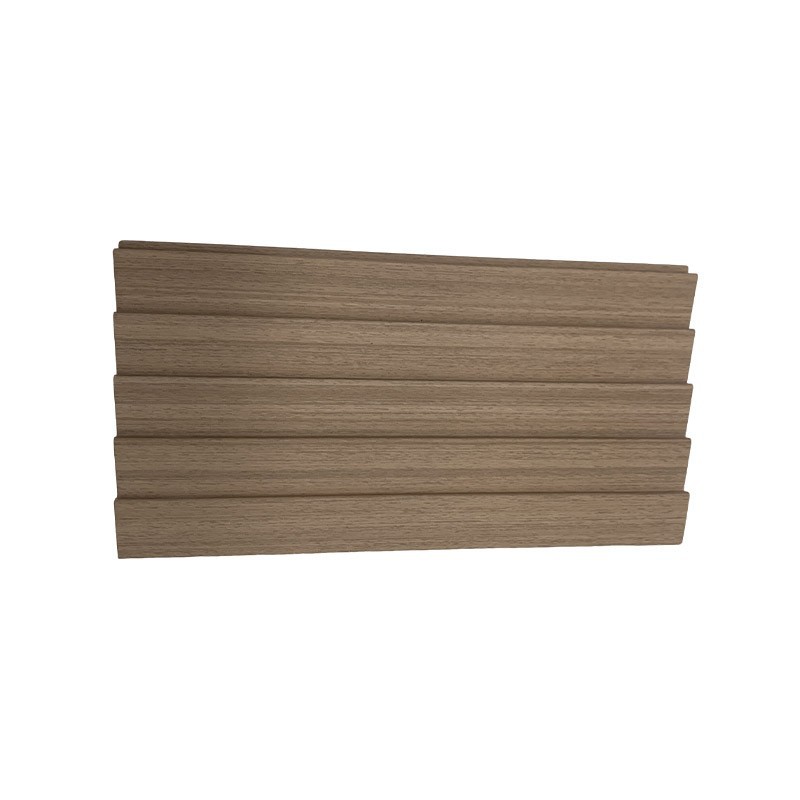
One of the most sought - after surface textures for WPC wall panels is the natural wood - like finish. This texture mimics the appearance and feel of real wood, providing a warm and inviting atmosphere to any space. The manufacturing process of WPC wall panels allows for a high degree of replication of different wood species, such as oak, walnut, and maple.
For example, the WPC Wall Panel with Melamine Paper Veneer can be engineered to have the distinct grain patterns and color variations found in natural wood. Melamine paper veneer is a cost - effective way to achieve a realistic wood look. It is printed with high - resolution wood images and then bonded to the WPC substrate. The result is a smooth yet textured surface that closely resembles the real thing.
Another option for a natural wood - like texture is the WPC Wall Panel with Technical Veneer. Technical veneer is made from thin slices of real wood that are carefully selected and processed to enhance their visual appeal. These veneers are then applied to the WPC panels, providing an even more authentic wood experience. The surface may have a slight roughness, similar to the natural texture of wood, which adds to its charm.
Smooth and Glossy Textures
Smooth and glossy surface textures are also popular for WPC wall panels, especially in modern and contemporary interior designs. A smooth finish gives the panels a clean and sophisticated look, making them suitable for minimalist or high - end spaces.
The WPC Wall Panel with PVC Veneer often has a smooth and glossy texture. PVC veneer is known for its high - gloss appearance and excellent durability. It can be easily cleaned and maintained, making it a practical choice for areas with high traffic or where hygiene is a concern, such as kitchens and bathrooms. The smooth surface reflects light, creating a bright and airy atmosphere in the room.
Embossed Textures
Embossed textures add a three - dimensional element to WPC wall panels. These textures can be designed to mimic various materials, such as stone, brick, or leather. Embossing is a process where a pattern is pressed onto the surface of the panel during manufacturing.
For instance, an embossed stone texture can give a wall the appearance of a natural stone facade. This is ideal for creating a rustic or industrial look in a space. The raised patterns on the embossed surface not only add visual interest but also provide a tactile experience. When you run your hand over the panel, you can feel the texture, which enhances the overall sensory appeal of the wall.
Matte Textures
Matte textures are becoming increasingly popular in interior design. They offer a more subdued and sophisticated look compared to glossy finishes. Matte WPC wall panels have a soft, non - reflective surface that diffuses light evenly, reducing glare.
Matte finishes are suitable for a wide range of design styles, from traditional to modern. They can create a cozy and inviting atmosphere in a living room or a calming environment in a bedroom. The lack of shine on the surface also makes any imperfections less noticeable, which is an advantage in terms of aesthetics.
Factors Affecting Surface Texture
Several factors can affect the surface texture of WPC wall panels. The choice of veneer material is one of the most significant factors. As mentioned earlier, melamine paper, technical veneer, and PVC veneer all have different characteristics that contribute to the final texture.
The manufacturing process also plays a crucial role. The pressure and temperature used during lamination, embossing, or coating can impact the smoothness, depth, and durability of the texture. Additionally, the quality of the WPC substrate itself can influence how well the surface texture is maintained over time. A high - quality substrate will provide a stable base for the veneer or finish, ensuring that the texture remains intact even with regular use.
Benefits of Different Surface Textures
Each surface texture of WPC wall panels offers unique benefits. Natural wood - like textures bring the beauty of nature indoors and can increase the perceived value of a property. They are also versatile and can be used in a variety of design styles, from traditional to rustic.
Smooth and glossy textures are easy to clean and maintain, making them suitable for busy areas. They can also make a small room appear larger by reflecting light. Embossed textures add a sense of depth and character to a wall, making it a focal point in the room. Matte textures, on the other hand, provide a more refined and understated look, which is perfect for creating a relaxing atmosphere.

Contact for Procurement
If you are interested in learning more about the surface textures of our WPC wall panels or are considering a purchase for your next project, we would be delighted to assist you. Our team of experts can provide detailed information about the different textures, materials, and applications of our products. We can also offer samples so that you can experience the textures firsthand. Contact us today to start a discussion about your specific requirements and to explore how our WPC wall panels can transform your space.
References
- "Wood - Plastic Composites in Construction" by John K. Rowell, Roger M. Rowell, and Huamin Wang.
- "Interior Design: A Guide to the Interior Design Process" by Karen Mills.