

Hey there! As a supplier of Solid Wood Parquet, I've been getting a lot of questions lately about the stability of floating solid wood parquet floors. So, I thought I'd take the time to break it down for you all.
First off, let's talk about what we mean by "stability" in the context of a floating solid wood parquet floor. Stability refers to how well the floor can maintain its shape, integrity, and performance over time, especially when faced with changes in environmental conditions like humidity and temperature.
One of the key factors that affects the stability of a floating solid wood parquet floor is the type of wood used. Different woods have different natural characteristics, and some are more stable than others. For example, hardwoods like oak, maple, and walnut are generally more stable than softwoods. This is because hardwoods have a denser cellular structure, which makes them less prone to expansion and contraction due to changes in moisture content.
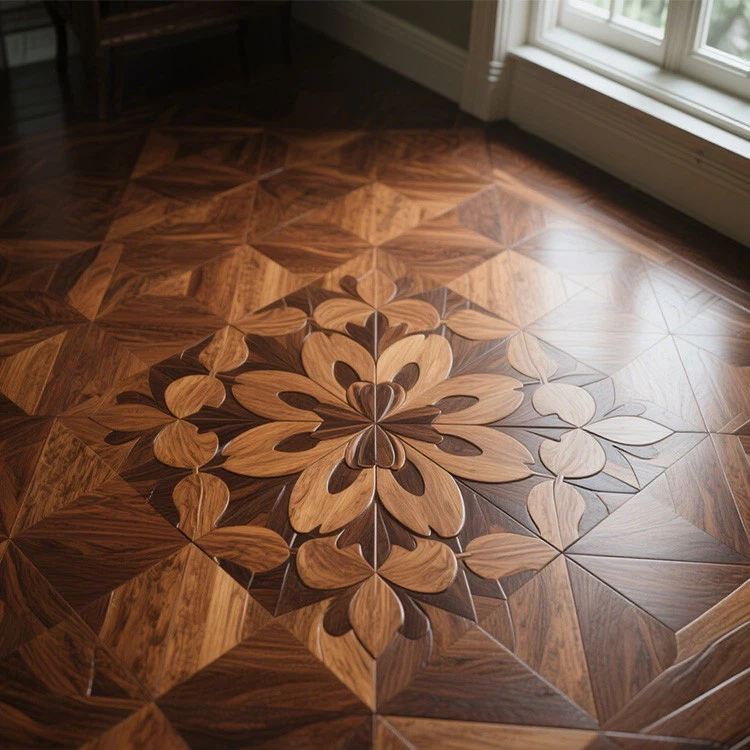
Another important factor is the construction of the parquet itself. Our Solid Wood Parquet is typically made up of multiple pieces of wood that are carefully arranged and bonded together. The way these pieces are joined and the quality of the bonding agent can have a big impact on the floor's stability. A well - constructed parquet will have tight joints that can withstand the stresses of daily use and environmental changes.
Now, let's dig into the floating installation method. A floating floor is not attached directly to the subfloor. Instead, it "floats" on top of an underlayment. This installation method has its pros and cons when it comes to stability.
On the plus side, a floating installation allows the floor to expand and contract more freely. Since it's not nailed or glued to the subfloor, it can adjust to changes in humidity and temperature without being restricted. This can help prevent issues like buckling, warping, and cracking. For instance, if the humidity in your home increases, the wood in the parquet will absorb moisture and expand. With a floating floor, it has the space to do so without causing major damage.
However, there are also some potential drawbacks. Because the floor is not fixed to the subfloor, it can be more prone to movement if not installed correctly. If the underlayment is not of good quality or if the floor is not properly acclimated to the environment before installation, it can lead to instability. For example, if the underlayment is too thin or doesn't provide enough cushioning, the floor may feel spongy or make creaking noises when walked on.
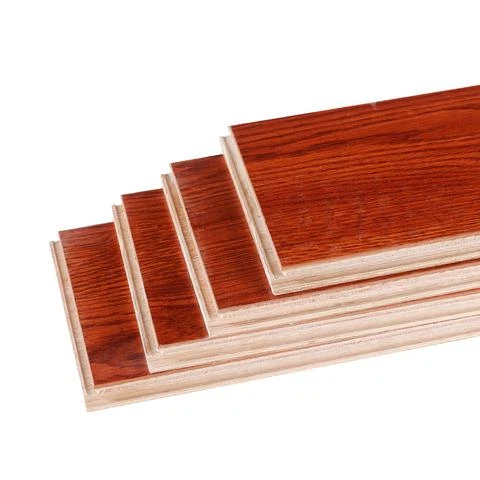
When it comes to choosing the right thickness of the wood for a stable floating solid wood parquet floor, our 18mm Wood Flooring is a popular choice. The 18mm thickness provides a good balance between durability and stability. Thicker floors are generally more stable because they have more mass and are less likely to be affected by minor changes in the environment. They also tend to be more resistant to wear and tear, which is great for high - traffic areas.
The finish of the parquet also plays a role in its stability. A high - quality finish can protect the wood from moisture, scratches, and other forms of damage. It can also help seal the wood, reducing its ability to absorb moisture from the air. This is important because excessive moisture absorption can lead to swelling and instability.
One of our top - selling products, the Golden Oak Engineered Wood Flooring, is known for its excellent stability. Golden oak is a very stable wood species, and the engineered construction further enhances its performance. The multiple layers in the engineered design help to counteract the natural tendency of the wood to expand and contract, making it a great choice for a floating floor.
To ensure the long - term stability of your floating solid wood parquet floor, there are a few things you can do. First, make sure to follow the manufacturer's installation instructions carefully. This includes properly acclimating the wood to the environment for at least 48 - 72 hours before installation. You should also choose a high - quality underlayment that is suitable for your specific floor and subfloor conditions.
Regular maintenance is also crucial. Keep the floor clean and dry, and avoid exposing it to excessive moisture. Use a soft - bristled broom or a vacuum cleaner to remove dirt and debris, and clean up spills immediately. You may also want to consider using a floor protector in high - traffic areas or areas where furniture is frequently moved.
In conclusion, the stability of a floating solid wood parquet floor depends on a variety of factors, including the type of wood, the construction of the parquet, the installation method, the thickness of the wood, and the finish. By choosing high - quality products like our Solid Wood Parquet, 18mm Wood Flooring, and Golden Oak Engineered Wood Flooring, and following proper installation and maintenance procedures, you can enjoy a beautiful and stable floor for many years to come.
If you're interested in learning more about our products or are thinking about purchasing Solid Wood Parquet for your next project, I'd love to have a chat with you. We can discuss your specific needs, answer any questions you may have, and help you find the perfect flooring solution for your home or business. So, don't hesitate to reach out and start the conversation!
References
- Wood Flooring Handbook: A comprehensive guide to wood flooring materials, installation, and maintenance.
- Journal of Wood Science and Technology: Articles on the properties and performance of different wood species.