

As a supplier of Mdf Jamb, I've encountered numerous inquiries regarding its moisture resistance. In this blog, I'll delve into the details of what the moisture resistance of Mdf Jamb entails, its implications, and how it compares to other types of door jambs in the market.
Understanding Mdf Jamb
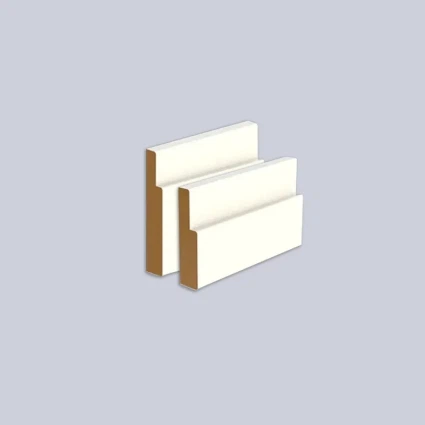
Mdf Jamb, or Medium - Density Fiberboard Jamb, is a popular choice for door frames in both residential and commercial settings. It is made by breaking down hardwood or softwood residuals into wood fibers, combining them with wax and a resin binder, and then forming panels by applying high temperature and pressure. The resulting product is a dense, uniform, and smooth - surfaced material that can be easily cut, shaped, and painted. You can find more information about Mdf Jamb on our website Mdf Jamb.
Moisture Resistance of Mdf Jamb
The moisture resistance of Mdf Jamb is a crucial factor to consider, especially in areas prone to high humidity or direct water exposure. Unlike solid wood, Mdf is more susceptible to moisture absorption due to its composition. When Mdf absorbs moisture, it can swell, warp, and lose its structural integrity. However, the degree of moisture resistance can vary depending on several factors.
Treatment and Coating
One way to enhance the moisture resistance of Mdf Jamb is through treatment and coating. Some Mdf Jambs are treated with water - resistant chemicals during the manufacturing process. These chemicals create a barrier that reduces the rate of moisture absorption. Additionally, applying a high - quality paint or sealant to the surface of the Mdf Jamb can further protect it from moisture. A well - applied coat of paint acts as a physical barrier, preventing water from seeping into the material.
Density and Quality
The density of Mdf also plays a role in its moisture resistance. Higher - density Mdf generally has better moisture resistance than lower - density Mdf. This is because the fibers in high - density Mdf are more tightly packed, leaving fewer spaces for water to penetrate. Moreover, high - quality Mdf Jambs are made with better - quality resins and fibers, which can contribute to improved moisture resistance.

Implications of Moisture Resistance
The moisture resistance of Mdf Jamb has significant implications for its performance and longevity. In areas with low humidity, such as a well - ventilated living room or an office space, Mdf Jamb can perform well without significant issues related to moisture. However, in areas with high humidity, like bathrooms, kitchens, or basements, the lack of proper moisture resistance can lead to problems.
Structural Integrity
When Mdf Jamb absorbs moisture and swells, it can cause the door to become misaligned. The swelling can put pressure on the door hinges and locks, leading to difficulty in opening and closing the door. Over time, if the moisture problem persists, the Mdf Jamb may warp permanently, requiring replacement.
Aesthetic Appeal
Moisture - damaged Mdf Jamb can also affect the aesthetic appeal of the door and the surrounding area. Swelling and warping can cause the paint or finish to crack and peel, leaving an unsightly appearance. This can be particularly problematic in commercial settings, where the appearance of the building is important for making a good impression on customers.
Comparison with Other Door Jambs
To better understand the moisture resistance of Mdf Jamb, it's useful to compare it with other types of door jambs, such as solid wood and commercial door jambs.
Solid Wood
Solid wood door jambs are often considered more aesthetically pleasing, but their moisture resistance can vary depending on the type of wood. Some hardwoods, like oak and teak, have natural oils that make them more resistant to moisture. However, even these woods can be affected by prolonged exposure to water. In general, solid wood is more likely to warp and crack due to moisture changes than Mdf Jamb, especially if it is not properly maintained.
Commercial Door Jamb
Commercial door jambs, such as those made from steel or aluminum, have excellent moisture resistance. These materials are not affected by water absorption and are less likely to warp or corrode. However, they may lack the warm, natural look of Mdf Jamb. If you are interested in commercial door jambs, you can visit our website Commercial Door Jamb.
How to Improve Moisture Resistance in Practice
If you choose to use Mdf Jamb in areas with high moisture, there are several steps you can take to improve its moisture resistance.
Ventilation
Proper ventilation is essential. Installing exhaust fans in bathrooms and kitchens can help remove excess moisture from the air. In basements, using a dehumidifier can also reduce the humidity level, protecting the Mdf Jamb from moisture damage.
Regular Maintenance
Regularly inspect the Mdf Jamb for signs of moisture damage. If you notice any swelling or paint peeling, address the issue promptly. This may involve reapplying paint or sealant to the affected area.
Installation Considerations
During installation, make sure the Mdf Jamb is properly sealed around the edges. Use a waterproof caulk to seal the joints between the Mdf Jamb and the wall. This can prevent water from seeping behind the jamb and causing damage.
Conclusion
In conclusion, the moisture resistance of Mdf Jamb is an important aspect to consider when choosing door jambs for your project. While Mdf Jamb has its limitations in terms of moisture resistance compared to some other materials, proper treatment, coating, and maintenance can significantly improve its performance in moist environments. Whether you are working on a residential or commercial project, understanding the moisture resistance of Mdf Jamb can help you make an informed decision.
If you are interested in purchasing high - quality Mdf Jamb or have any questions about its moisture resistance and suitability for your project, please don't hesitate to contact us for a procurement discussion. We are here to provide you with the best solutions and support for your door jamb needs.
References
- Wood Handbook: Wood as an Engineering Material, United States Department of Agriculture Forest Service
- Building Materials and Construction Handbook, McGraw - Hill