

Hey there! As a door jamb supplier, I often get asked, "How long does a door jamb usually last?" Well, it's not a one - size - fits - all answer, and there are a bunch of factors that come into play. Let's dive right in and explore this topic together.
Material Matters
First off, the material of the door jamb is a huge deal. Different materials have different lifespans, and each has its own pros and cons.
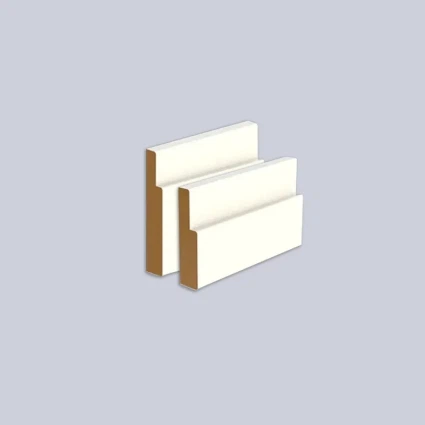

Wood Door Jambs
Wood is a classic choice for door jambs. It looks great, is relatively easy to work with, and can add a warm, natural touch to any space. But how long does it last? Well, it depends on the type of wood.
Hardwoods like oak and mahogany are pretty tough. If they're properly maintained, they can last for decades, even up to 50 years or more. These woods are dense and resistant to wear and tear. They can handle a fair amount of abuse from daily use, like people brushing against them or doors slamming shut.
On the other hand, softwoods like pine are more affordable but not as durable. They're prone to dents and scratches, and if they're exposed to moisture, they can warp or rot. With good care, a pine door jamb might last around 15 - 20 years, but in a high - traffic or damp environment, its lifespan could be much shorter.
MDF Jamb
MDF, or medium - density fiberboard, is another popular option. It's made from wood fibers that are compressed together with resin. Mdf Jamb is smooth, easy to paint, and relatively inexpensive. However, it doesn't hold up as well to moisture as wood. If it gets wet, it can swell and become damaged. In a dry, low - traffic area, an MDF door jamb can last about 10 - 15 years. But in a bathroom or a place where there's a lot of humidity, you might need to replace it sooner.
PVC Door Jambs
PVC, or polyvinyl chloride, is a synthetic material that's known for its durability. It's resistant to moisture, rot, and insects. PVC door jambs can last a really long time, often 25 years or more. They're also low - maintenance, which is a big plus. You don't have to worry about painting or staining them, and they're easy to clean. However, they might not have the same aesthetic appeal as wood, and they can be a bit more expensive upfront.
Metal Door Jambs
Metal door jambs, usually made of steel or aluminum, are extremely strong and durable. They're often used in commercial settings because they can withstand heavy use. Steel door jambs can last for 30 years or more, while aluminum ones can also have a long lifespan, around 20 - 30 years. They're resistant to fire, pests, and moisture, but they can be prone to scratching and dents if not properly protected.
Environmental Factors
The environment where the door jamb is installed also plays a major role in its lifespan.
Humidity and Moisture
As I mentioned earlier, moisture is the enemy of many door jamb materials. In a humid climate or a room with a lot of moisture, like a bathroom or a basement, wood and MDF door jambs are at risk of warping, rotting, or developing mold. PVC and metal door jambs are better choices in these situations because they're more resistant to moisture.
Temperature Changes
Extreme temperature changes can also affect door jambs. Wood expands and contracts with changes in temperature and humidity, which can cause it to crack or split over time. Metal door jambs can also be affected by temperature changes, especially if they're not properly insulated. In areas with large temperature swings, it's important to choose a material that can handle these fluctuations.
Sunlight
Sunlight can fade and damage door jambs, especially those made of wood or painted materials. UV rays can break down the finish on a door jamb, making it look dull and worn. If a door jamb is exposed to direct sunlight for long periods, it might need to be refinished or replaced sooner.
Usage and Maintenance
How the door jamb is used and maintained also impacts its lifespan.
High - Traffic Areas
In high - traffic areas, like hallways or commercial spaces, door jambs are more likely to get damaged. People might bump into them, drag furniture across them, or slam doors against them. In these situations, a more durable material like metal or PVC is a better choice. Even with a tough material, regular inspections and maintenance are important to catch any damage early.
Maintenance
Proper maintenance can significantly extend the lifespan of a door jamb. For wood door jambs, this might mean sanding and refinishing them every few years to protect the wood. PVC and metal door jambs are generally low - maintenance, but they still need to be cleaned regularly to keep them looking good.
Commercial Door Jamb
Commercial Door Jamb has different requirements compared to residential ones. In commercial settings, there's usually a lot more traffic, so durability is key. Metal and PVC door jambs are popular choices because they can withstand heavy use. They also need to meet certain safety and fire - rating standards. A well - maintained commercial door jamb can last anywhere from 20 to 40 years, depending on the material and the level of use.
Conclusion
So, how long does a door jamb usually last? It can range from 10 years for an MDF door jamb in a challenging environment to 50 years or more for a well - maintained hardwood door jamb. When choosing a door jamb, it's important to consider the material, the environment, the level of use, and the maintenance required.
If you're in the market for a new door jamb, whether it's for your home or a commercial property, I'd love to help. I can offer you a wide range of options in different materials and styles to suit your needs. Feel free to reach out to discuss your requirements and get a quote. Let's find the perfect door jamb that will last for years to come.
References
- "Building Materials and Construction Methods" by Edward Allen and Joseph Iano
- "Handbook of Wood Chemistry and Wood Composites" edited by R. Rowell