

When it comes to the installation of solid wood parquet, one of the most critical factors to consider is the expansion and contraction of the wood. As a solid wood parquet supplier, I've witnessed firsthand how improper handling of these natural wood behaviors can lead to a host of problems, from unsightly gaps to severe structural issues. In this blog, I'll share some insights on how to account for expansion and contraction during solid wood parquet installation.
Understanding the Causes of Expansion and Contraction
Solid wood is a hygroscopic material, which means it can absorb and release moisture from the surrounding environment. When the humidity in the air increases, the wood absorbs moisture and expands. Conversely, when the humidity decreases, the wood releases moisture and contracts. This natural process is influenced by several factors, including the type of wood, the moisture content of the wood at the time of installation, and the environmental conditions in the installation area.
Different wood species have different levels of susceptibility to moisture changes. For example, some hardwoods like oak and maple are more stable compared to softer woods like pine. The moisture content of the wood is also crucial. If the wood is installed with a high moisture content and the environment later becomes drier, significant contraction can occur. Similarly, if the wood is too dry at installation and the humidity rises, expansion will take place.
Measuring and Controlling Moisture Content
Before installation, it's essential to measure the moisture content of the solid wood parquet. This can be done using a moisture meter, which is a relatively inexpensive and easy - to - use tool. The ideal moisture content for solid wood parquet installation typically ranges from 6% to 10%, depending on the local climate.
To control the moisture content, the wood should be acclimated to the installation environment. This means storing the parquet in the room where it will be installed for at least 7 to 10 days. During this period, the wood will gradually adjust its moisture content to match the humidity levels of the space. Make sure to stack the parquet properly, allowing air to circulate around each piece.
Allowing for Expansion Gaps
One of the most effective ways to account for expansion and contraction is by leaving expansion gaps around the perimeter of the room and around fixed objects such as columns, door frames, and radiators. The width of the expansion gap depends on several factors, including the type of wood, the dimensions of the room, and the expected humidity variations.

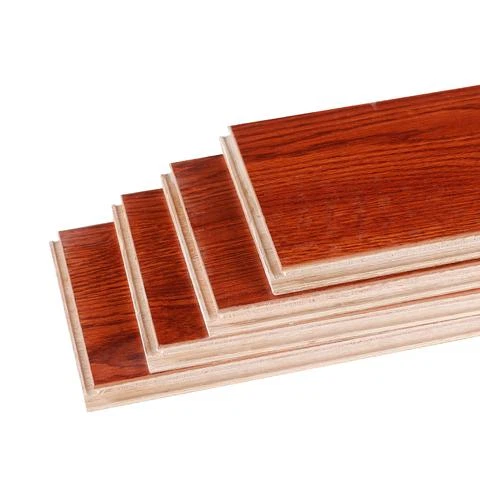
As a general rule of thumb, for smaller rooms (less than 20 square meters), a 10 - 12mm expansion gap is usually sufficient. For larger rooms, a gap of 12 - 15mm may be required. These gaps should be filled with a flexible filler or left open and covered with a skirting board or threshold strip after installation. This way, when the wood expands, it has room to do so without causing damage to the floor or the surrounding structures.
Selecting the Right Installation Method
The installation method can also play a role in how well the floor can accommodate expansion and contraction. There are three main installation methods for solid wood parquet: glue - down, nail - down, and floating.
The glue - down method involves applying adhesive directly to the subfloor and then laying the parquet on top. This method provides a strong bond between the wood and the subfloor but may limit the wood's ability to expand and contract freely. It's best suited for areas with relatively stable humidity levels.
The nail - down method uses nails or staples to secure the parquet to the subfloor. This allows for some degree of movement, but care must be taken not to over - nail, as this can restrict the wood's natural expansion and contraction.
The floating floor installation method is becoming increasingly popular. In this method, the parquet planks are not attached directly to the subfloor but are instead interlocked with each other. This allows the floor to move as a single unit, making it more forgiving of expansion and contraction. However, it's important to ensure that the underlayment used is suitable for a floating floor installation.
Considering the Subfloor Conditions
The subfloor also has a significant impact on the performance of the solid wood parquet. A subfloor that is uneven, damp, or has a high moisture content can cause problems. Before installation, the subfloor should be inspected and prepared properly.
The subfloor should be clean, dry, and level. Any moisture issues should be addressed, such as by installing a moisture barrier. If the subfloor is uneven, it should be sanded or leveled using a self - leveling compound. A well - prepared subfloor provides a stable base for the parquet and helps to minimize the effects of expansion and contraction.
Monitoring the Environment
After installation, it's important to monitor the environmental conditions in the room. Maintaining a stable humidity level is key to preventing excessive expansion and contraction. A humidity level between 35% and 55% is generally recommended for solid wood floors.
You can use a hygrometer to measure the humidity in the room. If the humidity is too low, a humidifier can be used to add moisture to the air. If the humidity is too high, a dehumidifier can help to reduce it. Regularly checking the humidity levels and making adjustments as needed will help to ensure the long - term performance of the solid wood parquet floor.
Our Solid Wood Parquet Products
At our company, we offer a wide range of high - quality solid wood parquet products. Our Solid Wood Parquet is sourced from sustainable forests and undergoes strict quality control to ensure its stability and durability. We also provide 18mm Wood Flooring, which is known for its robustness and beautiful appearance. Another popular product is our Golden Oak Engineered Wood Flooring, which combines the natural beauty of oak with the stability of engineered wood.
Conclusion
Accounting for expansion and contraction in solid wood parquet installation is a complex but essential process. By understanding the causes of expansion and contraction, measuring and controlling moisture content, allowing for expansion gaps, selecting the right installation method, considering the subfloor conditions, and monitoring the environment, you can ensure a successful and long - lasting installation.
If you're interested in our solid wood parquet products or have any questions about installation, we encourage you to reach out to us. Our team of experts is ready to assist you with your flooring project and provide you with the best solutions for your needs.
References
- "Wood Flooring Installation Guide" by National Wood Flooring Association
- "The Handbook of Wood Chemistry and Wood Biotechnology" by Ronald Simonson