

As a supplier of MDF acoustic panels, I often receive inquiries about the suitability of these products for various environments. One question that comes up frequently is whether MDF acoustic panels can be used in a classroom. In this blog post, I'll delve into this topic, exploring the advantages, considerations, and practical aspects of using MDF acoustic panels in educational settings.
The Importance of Acoustics in Classrooms
Before discussing the use of MDF acoustic panels, it's crucial to understand why good acoustics are essential in classrooms. A well - designed acoustic environment can significantly enhance the learning experience. Excessive noise, such as echoes, background chatter, and outside traffic sounds, can distract students and make it difficult for them to concentrate on the teacher's instructions. According to a study by the Acoustical Society of America, poor classroom acoustics can lead to slower learning rates and lower academic performance. Clear speech intelligibility is vital for effective communication between teachers and students, and proper acoustics can help achieve this.
Advantages of Using MDF Acoustic Panels in Classrooms
Sound Absorption
MDF acoustic panels are known for their excellent sound - absorbing properties. They are designed to reduce reverberation time, which is the time it takes for sound to decay in a room. In a classroom, a long reverberation time can cause words to blend together, making it hard for students to understand what is being said. MDF acoustic panels work by converting sound energy into heat through friction within the panel's material. This helps to create a more acoustically balanced environment, where speech is clear and distinct. For example, in a large classroom with hard surfaces like concrete floors and walls, adding MDF acoustic panels can significantly reduce the reverberation time, improving the overall listening experience.
Aesthetic Appeal
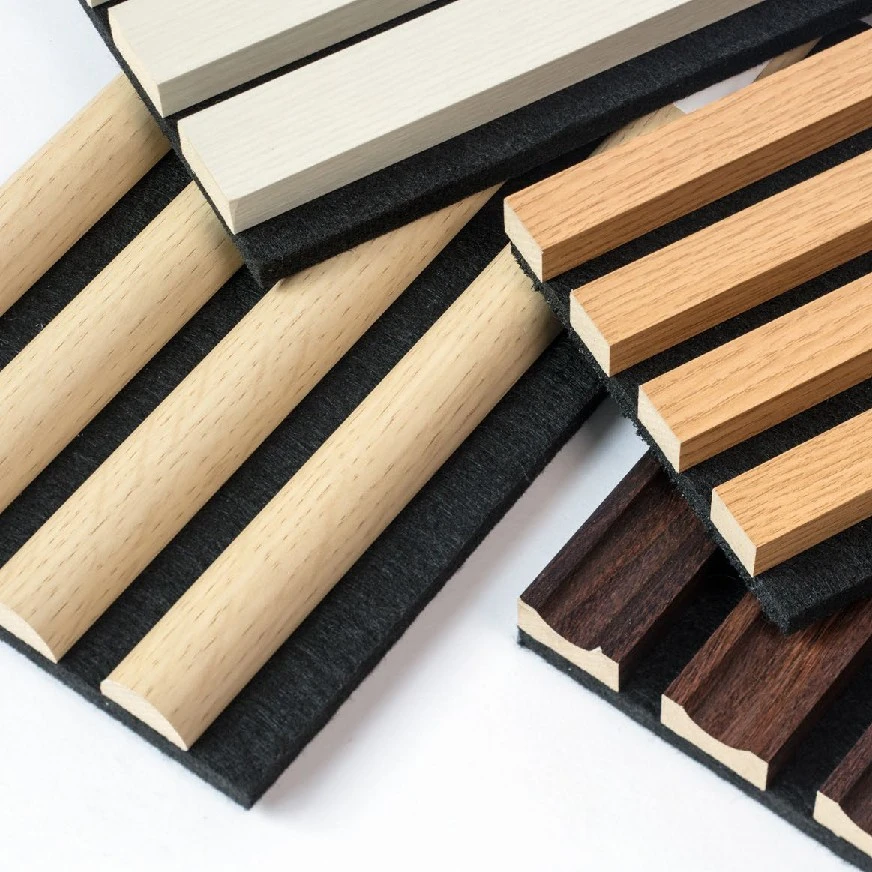
In addition to their acoustic benefits, MDF acoustic panels can enhance the visual appeal of a classroom. They come in a variety of finishes, including MDF Acoustic Panel with Technical Veneer and MDF Acoustic Panel with Wood Veneer. The wood veneer options can give a warm and natural look to the classroom, creating a more inviting and comfortable learning environment. Teachers and students alike often appreciate the aesthetic improvement that these panels can bring to a space.
Durability
Classrooms are high - traffic areas, and the materials used need to be able to withstand daily wear and tear. MDF acoustic panels are relatively durable and can resist scratches, dents, and impacts. This makes them a practical choice for classrooms, where desks, chairs, and students may come into contact with the walls. With proper installation and maintenance, MDF acoustic panels can last for many years, providing long - term acoustic and aesthetic benefits.
Easy Installation
Another advantage of MDF acoustic panels is their ease of installation. They can be installed on walls and ceilings using simple tools and techniques. This means that schools can have the panels installed during school breaks or holidays, minimizing disruption to the learning environment. The panels can also be easily cut and shaped to fit around fixtures such as windows and doors, allowing for a customized installation.
Considerations When Using MDF Acoustic Panels in Classrooms
Fire Safety
Fire safety is a top priority in any educational institution. When choosing MDF acoustic panels for a classroom, it's important to ensure that they meet the relevant fire safety standards. Some MDF acoustic panels are treated with fire - retardant chemicals to reduce their flammability. It's essential to check the fire rating of the panels and ensure that they comply with local building codes and regulations.
Cost
Cost is always a consideration when making decisions about classroom improvements. MDF acoustic panels can vary in price depending on factors such as the type of veneer, thickness, and quality. While they may be more expensive than some traditional wall coverings, the long - term benefits in terms of improved acoustics and durability can make them a worthwhile investment. Schools should also consider the potential savings in terms of improved academic performance and reduced teacher fatigue.

Maintenance
Although MDF acoustic panels are relatively durable, they still require some maintenance. Regular cleaning is necessary to keep the panels looking their best. Dust and dirt can accumulate on the surface of the panels, which can affect their appearance and potentially their acoustic performance. Cleaning can usually be done with a soft cloth and a mild cleaning solution. It's also important to check the panels periodically for any signs of damage and make repairs as needed.
Practical Applications in Classrooms
MDF acoustic panels can be used in various ways in a classroom. They can be installed on the walls to reduce side - wall reflections, which can cause echoes and muddled speech. Panels can also be placed on the ceiling to absorb sound from above, especially in classrooms with high ceilings. In addition, they can be used to create acoustic partitions within a large classroom, dividing the space into smaller, more acoustically controlled areas.
Conclusion
In conclusion, MDF acoustic panels can be an excellent choice for classrooms. They offer significant acoustic benefits, aesthetic appeal, durability, and ease of installation. However, it's important to consider factors such as fire safety, cost, and maintenance when making a decision. By carefully evaluating these aspects, schools can create a more acoustically friendly and visually appealing learning environment for their students.
If you're interested in learning more about how MDF acoustic panels can benefit your classroom or would like to discuss a potential purchase, I encourage you to reach out. We can provide you with detailed information, samples, and a customized quote based on your specific needs. Let's work together to create the perfect acoustic solution for your educational institution.
References
Acoustical Society of America. (Year). Impact of classroom acoustics on learning. Journal of Acoustics Research.
Building Codes and Regulations. (Year). Local fire safety standards for building materials.