

When it comes to choosing the right flooring for your space, the market offers a plethora of options, each with its own set of features and benefits. Among the popular choices are WPC (Wood Plastic Composite) and SPC (Stone Plastic Composite) flooring. As a WPC flooring supplier, I often encounter customers who are confused about the differences between these two types of flooring. In this blog post, I will delve into the distinctions between WPC and SPC flooring to help you make an informed decision.
Composition and Structure
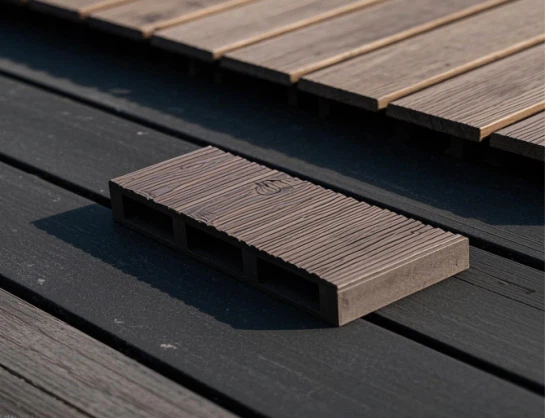
The fundamental difference between WPC and SPC flooring lies in their composition. WPC flooring is made from a blend of wood fibers, plastic polymers, and other additives. The wood fibers give it a natural look and feel, while the plastic polymers provide durability and moisture resistance. WPC flooring typically has a soft core, which makes it more comfortable to walk on and reduces noise. It also has a wear layer on top, which protects the floor from scratches and stains.
On the other hand, SPC flooring is composed of limestone powder, polyvinyl chloride (PVC), and stabilizers. The limestone powder gives SPC flooring its hardness and density, making it more resistant to dents and scratches compared to WPC flooring. SPC flooring has a rigid core, which provides excellent stability and dimensional accuracy. It also has a wear layer, similar to WPC flooring, but it is usually thicker and more durable.
Installation
Another significant difference between WPC and SPC flooring is the installation process. WPC flooring is relatively easy to install, even for DIY enthusiasts. It typically comes in a click - lock system, which allows the planks to be easily connected without the need for glue. This makes the installation process faster and more convenient. You can install WPC flooring over most existing floors, such as concrete, tile, or hardwood, as long as the surface is clean, flat, and dry.
SPC flooring also uses a click - lock installation system, but due to its rigid core, it requires a bit more precision during installation. The rigid core makes the planks less flexible, so it is essential to ensure that the subfloor is perfectly level. If the subfloor has any unevenness, it can cause the planks to buckle or warp over time. However, once installed correctly, SPC flooring provides a very stable and long - lasting floor surface.
Performance and Durability
In terms of performance and durability, both WPC and SPC flooring have their strengths. WPC flooring is known for its excellent moisture resistance, making it suitable for areas prone to spills, such as kitchens, bathrooms, and basements. The soft core also provides some shock absorption, which can be beneficial in high - traffic areas. However, WPC flooring may not be as resistant to heavy impacts as SPC flooring.
SPC flooring, on the other hand, is extremely durable and resistant to scratches, dents, and heavy traffic. The rigid core and thick wear layer make it ideal for commercial spaces, as well as high - traffic residential areas. It is also waterproof and can withstand high levels of moisture without warping or swelling. However, the rigid nature of SPC flooring means that it may not be as comfortable to walk on as WPC flooring for extended periods.
Aesthetics
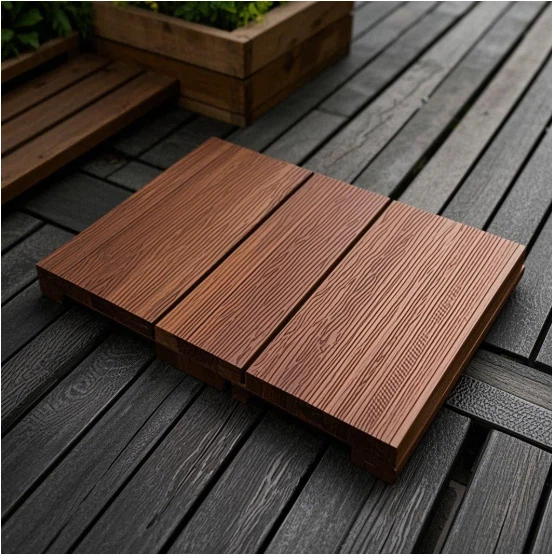
When it comes to aesthetics, both WPC and SPC flooring offer a wide range of styles and designs to suit different tastes. WPC flooring, with its wood fiber composition, can mimic the look of natural hardwood very closely. It comes in various wood species, colors, and textures, giving you the option to create a warm and inviting atmosphere in your space.
SPC flooring also offers a realistic wood look, as well as other designs such as stone and tile. The printing technology used in SPC flooring has advanced significantly in recent years, allowing for highly detailed and lifelike patterns. Whether you prefer a rustic wood look or a modern stone finish, both WPC and SPC flooring can provide a beautiful and stylish solution for your flooring needs.
Cost
Cost is often a crucial factor when choosing flooring. WPC flooring is generally more affordable than SPC flooring. The lower cost is due in part to the materials used in its production and the relatively simpler manufacturing process. However, the price can vary depending on the quality, thickness, and brand of the flooring.
SPC flooring, being more durable and suitable for heavy - duty applications, tends to be more expensive. The higher cost is justified by its superior performance and longer lifespan, especially in commercial settings. When considering the cost, it is important to factor in the long - term value and durability of the flooring.
Environmental Impact
In today's environmentally conscious world, the environmental impact of flooring materials is an important consideration. WPC flooring, which contains wood fibers, can be considered a more sustainable option as it uses a renewable resource. However, the plastic polymers in WPC flooring are derived from non - renewable sources.
SPC flooring, on the other hand, uses limestone powder, which is an abundant and natural resource. The PVC used in SPC flooring can be recycled, which makes it a more environmentally friendly option in terms of end - of - life disposal.
Conclusion
In conclusion, the choice between WPC and SPC flooring depends on your specific needs and preferences. If you are looking for a comfortable, easy - to - install, and affordable flooring option for residential areas, especially those prone to moisture, WPC flooring may be the right choice for you. You can explore our Wpc Click Flooring and Solid WPC Flooring options to find the perfect fit for your space.
On the other hand, if you need a highly durable, scratch - resistant, and stable flooring for commercial spaces or high - traffic areas, SPC flooring is a better option. Consider your budget, the level of traffic in the area, and your aesthetic preferences when making your decision.
If you have any questions or would like to discuss your flooring requirements further, I encourage you to reach out. Our team of experts is ready to assist you in choosing the right flooring for your project and can provide you with detailed information on our products and pricing. We look forward to the opportunity to work with you and help you create the perfect floor for your space.
References
- Flooring Industry Reports
- Manufacturer's Product Specifications
- Consumer Reviews and Testimonials