Unveiling the World of Wooden Trim: A Comprehensive Guide
In the realm of interior and exterior design, wooden trim stands as a timeless and versatile element that adds elegance, functionality, and character to any space. Whether you're embarking on a home renovation project, a commercial construction endeavor, or simply seeking to enhance the aesthetic appeal of your living or working environment, understanding the nuances of wooden trim is essential. This comprehensive guide will take you on a journey through the world of wooden trim, exploring its definition, types, applications, technical requirements, installation process, and the latest trends shaping the industry.

What is Wooden Trim?
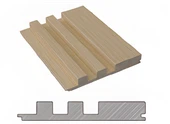
Wooden trim, also known as wood molding or wood casing, refers to the decorative and functional strips of wood that are used to finish and enhance the edges, corners, and joints of various surfaces. These slender pieces of wood are crafted from a variety of wood species, each offering unique characteristics in terms of color, grain pattern, hardness, and durability. Wooden trim is available in a wide range of profiles, including straight, curved, beveled, and decorative, allowing for endless design possibilities.

Types of Wooden Trim
The world of wooden trim is incredibly diverse, with numerous types to choose from based on your specific design needs and preferences. Here are some of the most common types of wooden trim:
1.Baseboards: Also known as skirting boards, baseboards are installed along the bottom of walls to conceal the joint between the wall and the floor. They not only add a finished look to the room but also protect the walls from scuffs and damage.
2.Crown Molding: Crown molding is a decorative trim that is installed at the junction of the wall and the ceiling. It creates a seamless transition between the two surfaces and adds a touch of elegance and sophistication to the room. Crown molding comes in a variety of styles, from simple and classic to elaborate and ornate.
3.Chair Rail: Chair rail is a horizontal trim that is installed at chair height on walls. It was originally designed to protect walls from damage caused by chairs, but today it is primarily used for decorative purposes. Chair rail can add a sense of proportion and visual interest to a room.
4.Picture Rail: Picture rail is a narrow trim that is installed near the ceiling to hang pictures, paintings, or other wall decorations. It provides a convenient and stylish way to display your artwork without having to drill holes in the walls.
5.Window and Door Casing: Window and door casing are the trim pieces that surround windows and doors. They frame the openings, add a finished look, and help to seal out drafts. Window and door casing come in a variety of styles and widths to match the overall design of your home.
6.Decorative Trim: Decorative trim includes a wide range of specialty trims that are used to add unique accents and details to a room. These can include rope molding, dentil molding, egg and dart molding, and more. Decorative trim can be used to create a focal point, add texture, or enhance the overall style of a space.

Applications of Wooden Trim
Wooden trim is incredibly versatile and can be used in a variety of applications both indoors and outdoors. Here are some of the most common uses of wooden trim:
1.Interior Design: In interior design, wooden trim is used to enhance the aesthetic appeal of a space and create a cohesive look. It can be used to frame windows and doors, add detail to walls and ceilings, and define the edges of different surfaces. Wooden trim can also be used to create wainscoting, paneling, and other decorative features.
2.Exterior Design: On the exterior of a building, wooden trim is used to protect the edges of the structure, add visual interest, and enhance the curb appeal. It can be used to trim windows and doors, line the eaves and fascia, and create decorative accents on the façade. Wooden trim can also be used to build pergolas, trellises, and other outdoor structures.
3.Furniture Making: Wooden trim is often used in furniture making to add a finished look and enhance the durability of the piece. It can be used to trim the edges of tabletops, drawers, and doors, and to create decorative details such as inlays and moldings.
4.Cabinetry: In cabinetry, wooden trim is used to frame the doors and drawers, add detail to the fronts, and create a seamless look. It can also be used to build decorative panels and moldings on the sides and tops of cabinets.

Technical Requirements of Wooden Trim
To ensure the quality and durability of wooden trim, it is important to consider the following technical requirements:
1.Wood Species: The choice of wood species is crucial as it determines the characteristics of the trim, such as color, grain pattern, hardness, and durability. Some popular wood species for trim include oak, maple, cherry, walnut, pine, and cedar. Each wood species has its own unique properties, so it is important to select the one that best suits your specific needs and preferences.
2.Moisture Content: The moisture content of the wood is an important factor to consider as it can affect the stability and durability of the trim. Wood with a high moisture content is more likely to warp, crack, or split over time. It is recommended to use wood with a moisture content of 6% to 12% for interior applications and 8% to 14% for exterior applications.
3.Finish: The finish applied to the wooden trim not only enhances its appearance but also protects it from damage. There are several types of finishes available, including paint, stain, varnish, and polyurethane. The choice of finish depends on the desired look, the level of protection required, and the application method.
4.Size and Dimensions: Wooden trim is available in a variety of sizes and dimensions to suit different applications. It is important to select the appropriate size and dimension of the trim based on the surface it will be applied to and the overall design of the space.

Installation Process of Wooden Trim
The installation process of wooden trim requires careful planning and precision to ensure a professional and seamless finish. Here are the general steps involved in installing wooden trim:
1.Preparation: Before installing the wooden trim, it is important to prepare the surface by cleaning it thoroughly, removing any dirt, dust, or debris. If the surface is uneven or damaged, it may need to be sanded or repaired before installing the trim.
2.Measuring and Cutting: Measure the length and width of the surface where the trim will be installed and cut the trim pieces to the appropriate size using a saw. It is important to make accurate cuts to ensure a tight fit.
3.Priming and Finishing: Apply a primer to the trim pieces to help the finish adhere better and to protect the wood from moisture. Once the primer is dry, apply the desired finish, such as paint or stain, according to the manufacturer's instructions.
4.Installation: Use a nail gun or adhesive to attach the trim pieces to the surface. Start at one end and work your way along, making sure to keep the trim level and straight. Use a level and a miter saw to make any necessary adjustments to the angle of the trim.
5.Caulking and Touch - Ups: Once the trim is installed, use caulk to fill any gaps or seams between the trim pieces and the surface. Smooth the caulk with a caulking tool and allow it to dry. Finally, touch up any areas where the finish may have been damaged during the installation process.

Trends in the Wooden Trim Industry
The wooden trim industry is constantly evolving, with new trends and innovations emerging to meet the changing needs and preferences of consumers. Here are some of the latest trends in the wooden trim industry:
1.Sustainable and Eco - Friendly Options: With the increasing focus on sustainability and environmental protection, there is a growing demand for wooden trim made from sustainable and eco - friendly materials. This includes using wood from responsibly managed forests, recycled wood, and engineered wood products.
2.Customization and Personalization: Consumers are increasingly looking for ways to customize and personalize their living and working spaces. This has led to a rise in the demand for custom - made wooden trim, which can be designed to meet specific design requirements and preferences.
3.Minimalist and Modern Designs: The trend towards minimalist and modern design styles has also influenced the wooden trim industry. Clean lines, simple profiles, and a focus on functionality are becoming increasingly popular, with many homeowners and designers opting for sleek and contemporary wooden trim options.
4.Integration of Technology: The integration of technology into wooden trim is another emerging trend. This includes the use of smart materials, such as self - healing wood and wood with built - in sensors, as well as the incorporation of lighting and other features into the trim design.
In conclusion, wooden trim is a versatile and essential element in the world of design and construction. Whether you're looking to add a touch of elegance to your home, enhance the functionality of a commercial space, or create a unique and personalized look, wooden trim offers endless possibilities. By understanding the different types of wooden trim, their applications, technical requirements, installation process, and the latest trends shaping the industry, you can make informed decisions and choose the perfect wooden trim for your next project.