

When it comes to enhancing the aesthetics and functionality of a building, wood PVC cladding has emerged as a popular choice among architects, designers, and homeowners alike. As a leading supplier of Wood Pvc Cladding, I often receive inquiries about the width of wood PVC cladding. In this blog post, I will delve into the various aspects of the width of wood PVC cladding, including standard sizes, factors influencing width selection, and the impact of width on the overall appearance and performance of the cladding.
Standard Widths of Wood PVC Cladding
Wood PVC cladding is available in a range of standard widths to cater to different design requirements and installation preferences. The most common widths typically range from 100mm to 300mm, although wider or narrower options may also be available depending on the manufacturer and the specific product line.
- 100mm - 150mm: Cladding with a width in this range is often used for creating a more detailed and textured look. Narrower widths can add a sense of verticality to a building, making it appear taller and more elegant. They are also suitable for areas where a more delicate or intricate design is desired, such as on feature walls or in small spaces.
- 150mm - 200mm: This is a popular width range that offers a good balance between visual impact and ease of installation. It provides a more substantial appearance than narrower cladding while still allowing for flexibility in design. Cladding in this width range can be used for both interior and exterior applications, and it is often chosen for modern and contemporary building designs.
- 200mm - 300mm: Wider cladding panels in this range create a bold and dramatic look. They can cover larger areas more quickly, reducing the number of joints and seams, which can enhance the overall durability and weather resistance of the cladding. Wider panels are particularly well-suited for commercial buildings, large residential properties, or structures where a strong visual statement is desired.
Factors Influencing Width Selection
The choice of width for wood PVC cladding depends on several factors, each of which plays a crucial role in determining the most suitable option for a particular project.
Design Intent
The overall design concept of the building is one of the primary factors influencing width selection. For example, if the design aims to create a traditional or rustic look, narrower cladding widths may be more appropriate as they can mimic the appearance of traditional timber boarding. On the other hand, a modern or minimalist design may benefit from wider panels to achieve a clean and streamlined aesthetic.
Building Size and Proportion
The size and proportion of the building also need to be considered. In smaller buildings or areas, narrower cladding can prevent the space from feeling overwhelming and can add a sense of scale and proportion. Conversely, in larger buildings, wider panels can help to fill the space and create a more cohesive and harmonious appearance.
Installation Method
The installation method can also impact the choice of width. Some installation techniques may be more suitable for certain widths. For example, wider panels may require more support and a more precise installation process to ensure they are properly aligned and secured. In contrast, narrower panels may be easier to handle and install, especially in areas with complex geometries or tight spaces.
Cost Considerations
Cost is always an important factor in any construction project. Wider cladding panels may be more expensive per unit than narrower ones, but they can also reduce labor costs by covering more area in less time. Additionally, the cost of transportation and storage may also vary depending on the width of the cladding. It is essential to weigh the cost of the cladding itself against the overall project budget and the long-term benefits it offers.

Impact of Width on Appearance and Performance
The width of wood PVC cladding can have a significant impact on both the appearance and performance of the cladding.
Appearance
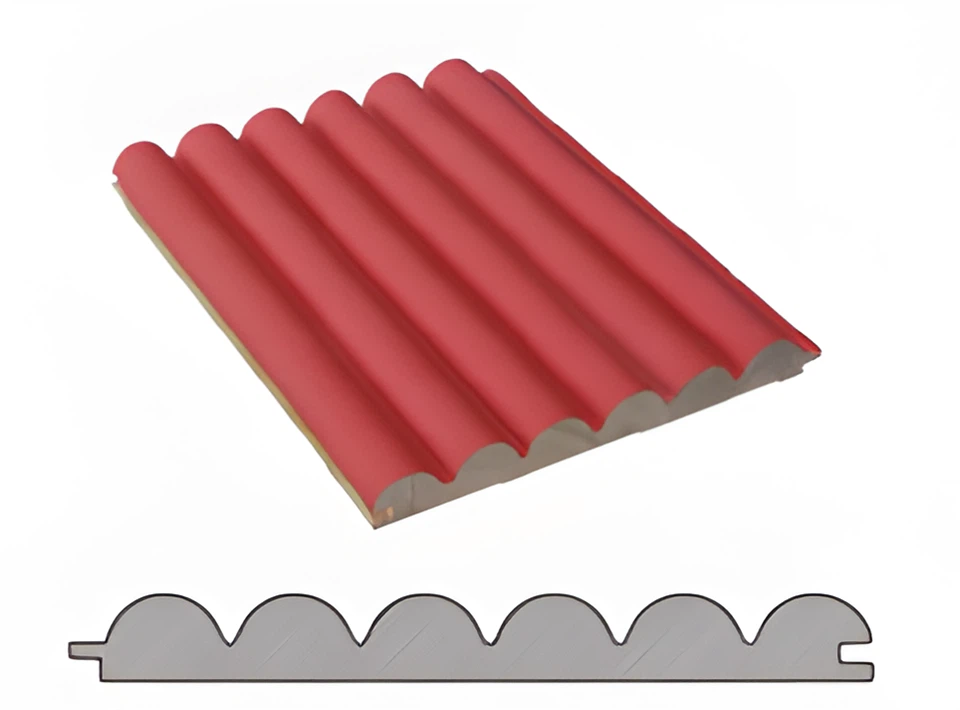
As mentioned earlier, the width of the cladding can greatly influence the visual appeal of a building. Narrower widths can create a more detailed and textured look, while wider widths offer a more substantial and bold appearance. The spacing between the panels, known as the reveal, also plays a role in the overall aesthetic. A wider reveal can enhance the three-dimensional effect of the cladding, adding depth and interest to the facade.
Performance
The width of the cladding can also affect its performance. Wider panels generally have fewer joints and seams, which can reduce the risk of water infiltration and improve the weather resistance of the cladding. However, they may also be more susceptible to expansion and contraction due to temperature and humidity changes. Narrower panels, on the other hand, can better accommodate these changes, but they may require more maintenance to ensure the joints remain sealed and watertight.
Our Product Range
At our company, we offer a wide range of Wood Pvc Cladding in various widths to meet the diverse needs of our customers. Our products are made from high-quality materials and are designed to provide long-lasting performance and aesthetic appeal. In addition to our standard width options, we also offer custom widths to accommodate unique design requirements.
We also provide Wood Wall Panel with Technical Veneer and Wood Veneer Cladding, which offer a luxurious and natural look. These products are available in a variety of finishes and colors, allowing you to create a truly unique and personalized design.
Conclusion
The width of wood PVC cladding is an important consideration when planning a building project. By understanding the standard widths available, the factors influencing width selection, and the impact of width on appearance and performance, you can make an informed decision that will enhance the beauty and functionality of your building.
If you are interested in learning more about our wood PVC cladding products or would like to discuss your specific project requirements, please do not hesitate to contact us. Our team of experts is ready to assist you in selecting the right cladding solution for your needs.
References
- Building Design and Construction Handbook
- Wood and PVC Cladding Industry Reports
- Architectural Design Guidelines for Exterior Cladding