

Hey there! As a supplier of Wood PVC cladding, I often get asked about the recommended gap between wood PVC cladding panels. It's a crucial question because getting the gap right can make a huge difference in the overall look and performance of your cladding project.
First off, let's understand why we need a gap between the panels. One of the main reasons is to allow for expansion and contraction. Wood PVC cladding, like any other material, will expand when it gets hot and contract when it cools down. If there's no gap, the panels might buckle, warp, or even crack over time. This can not only ruin the aesthetic appeal of your building but also compromise its structural integrity.
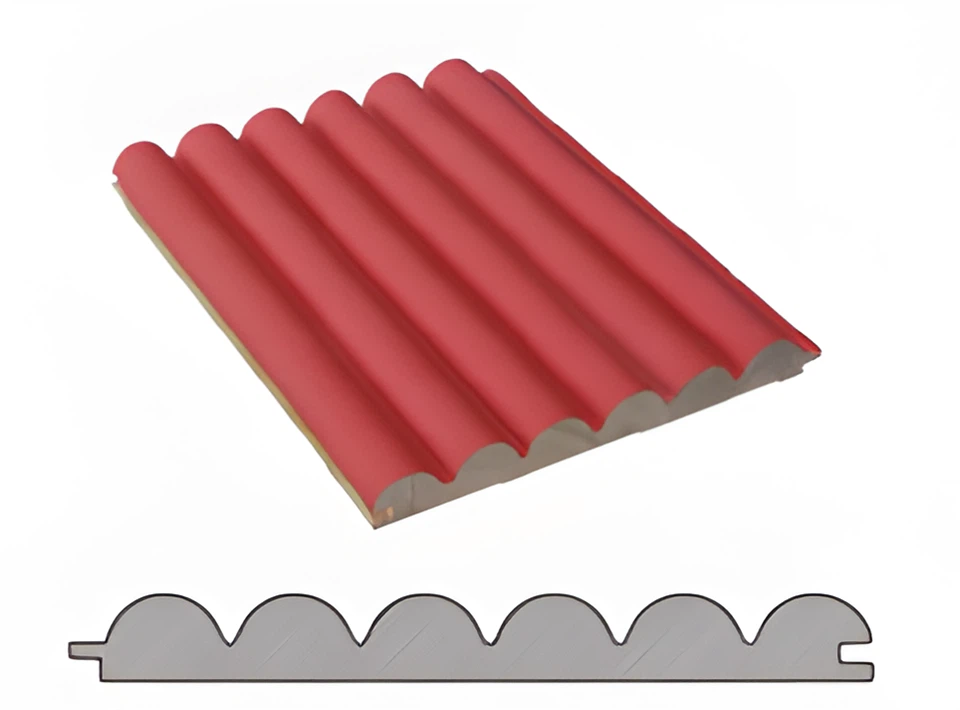
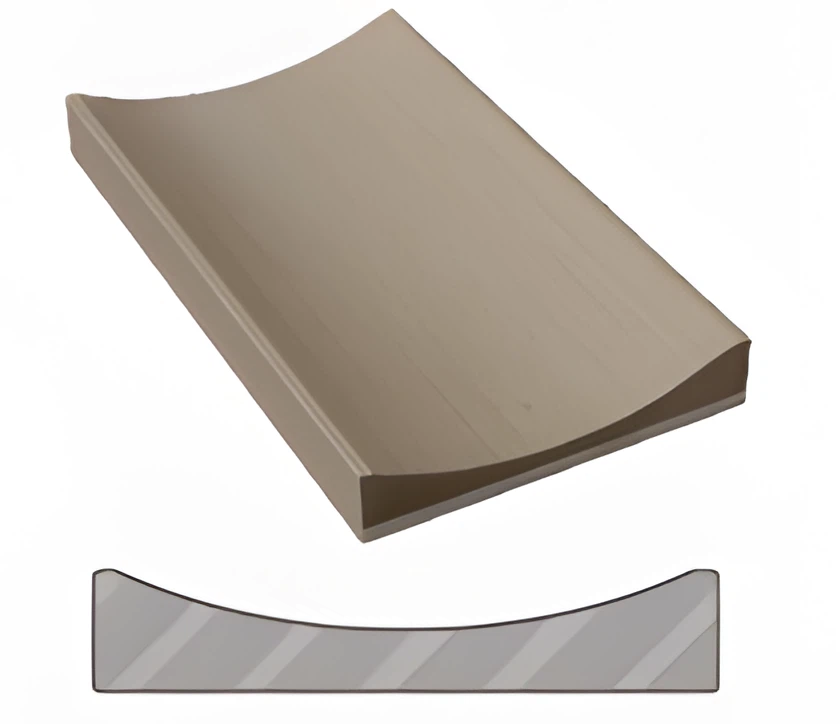
Another reason for the gap is to improve ventilation. Proper ventilation helps prevent moisture buildup behind the cladding, which can lead to mold and rot. A well - ventilated space also extends the lifespan of the cladding.
So, what's the ideal gap? Well, it depends on several factors.
Panel Size
Larger panels generally require a bigger gap. This is because they have more surface area and will expand and contract more than smaller panels. For standard - sized wood PVC cladding panels (let's say around 1200mm x 2400mm), a gap of about 6 - 8mm is often recommended. But if you're using larger panels, say 1800mm x 3600mm, you might want to increase the gap to 10 - 12mm.
Climate
The climate in your area plays a significant role. In regions with extreme temperature variations, such as areas with very hot summers and cold winters, you'll need a larger gap. For example, in a desert climate where temperatures can soar during the day and drop significantly at night, a gap of 8 - 10mm is a good idea. On the other hand, in a more temperate climate with milder temperature changes, a 4 - 6mm gap might be sufficient.
Installation Method
The way you install the cladding also affects the gap size. If you're using a floating installation method, where the panels are not fixed rigidly to the structure, you can get away with a slightly smaller gap. This is because the floating system allows for more movement. However, if you're nailing or screwing the panels directly to the substrate, a larger gap is necessary to accommodate the expansion and contraction.
Type of Wood PVC Cladding
Different types of wood PVC cladding may have different expansion rates. Some high - quality wood PVC claddings are designed to have lower expansion coefficients, which means you can use a smaller gap. For instance, if you're using a Wood Veneer Cladding, it might have a different expansion characteristic compared to a Wood Wall Panel with Technical Veneer or a Wood Wall Panel with Melamine Paper Veneer.
Now, let's talk about how to measure and maintain the gap during installation.
Measuring the Gap
You can use a gap gauge or a simple spacer. A gap gauge is a tool specifically designed to measure and set the gap between two objects. It's very accurate and easy to use. If you don't have a gap gauge, you can use a spacer, like a piece of cardboard or a wooden block, with the appropriate thickness.
Maintaining the Gap
During installation, make sure to keep the gap consistent across all panels. Use the spacer or gap gauge at each joint to ensure uniformity. Also, be careful not to over - tighten the fasteners. Over - tightening can restrict the movement of the panels and cause problems later on.
Once the cladding is installed, it's important to inspect the gaps regularly. Check for any signs of movement or damage. If you notice that the gap has closed up or widened significantly, it might be a sign of a problem, such as excessive expansion or contraction.
In conclusion, the recommended gap between wood PVC cladding panels is not a one - size - fits - all answer. It depends on panel size, climate, installation method, and the type of cladding. By considering these factors and following the right installation practices, you can ensure that your wood PVC cladding looks great and lasts for a long time.
If you're planning a cladding project and need more advice on the gap size or any other aspect of wood PVC cladding, don't hesitate to reach out. We're here to help you make the best choices for your project. Whether you're a contractor, a builder, or a DIY enthusiast, we can provide you with high - quality wood PVC cladding and expert guidance. Contact us for a consultation and let's start creating a beautiful and durable cladding solution together.
References
- Building materials industry standards on cladding installation
- Manufacturer's guidelines for wood PVC cladding products