

Hey there! As a supplier of Wood PVC cladding, I often get asked about the load - bearing capacity of this amazing material. So, let's dive right in and explore what makes Wood PVC cladding tick when it comes to handling weight.
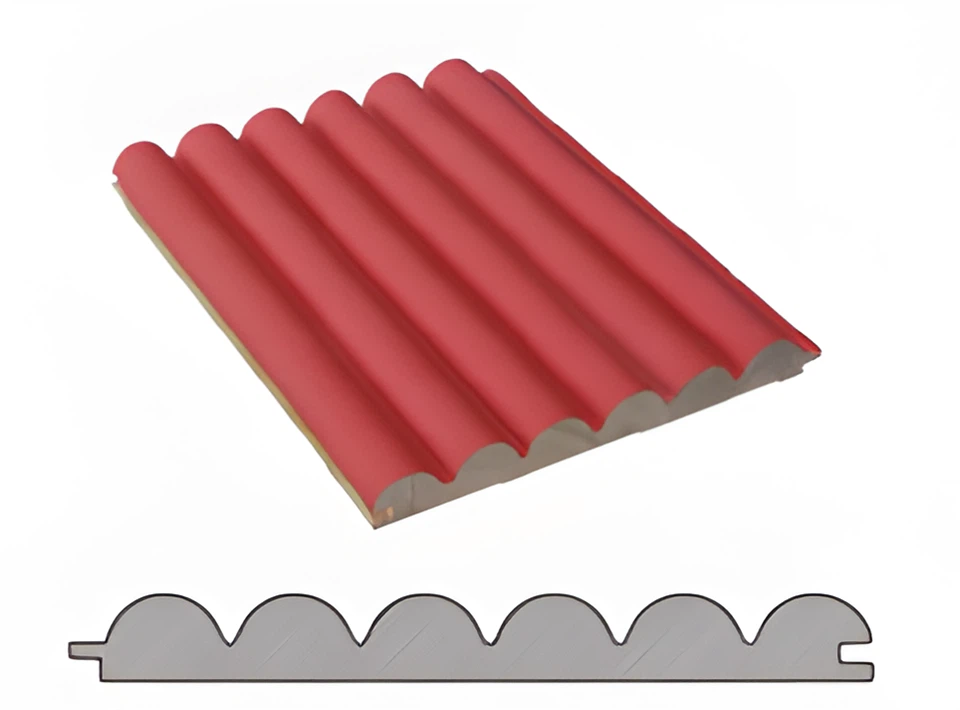
First things first, what exactly is Wood PVC cladding? It's a composite material that combines the natural look of wood with the durability and low - maintenance features of PVC. This makes it a popular choice for both interior and exterior applications, from wall panels to fencing.
The load - bearing capacity of Wood PVC cladding depends on several factors. The composition of the material is a major one. The ratio of wood fibers to PVC resin can significantly affect how much weight the cladding can handle. Generally, a higher proportion of PVC resin provides better strength and durability, which in turn increases the load - bearing capacity.
Another factor is the thickness of the cladding. Thicker panels are usually able to bear more weight than thinner ones. For example, a 10 - millimeter thick Wood PVC cladding panel will have a different load - bearing capacity compared to a 5 - millimeter thick one. The thicker panel can distribute the weight more evenly and is less likely to crack or break under pressure.
The installation method also plays a crucial role. Proper installation is key to ensuring that the cladding can handle the intended load. If the panels are not fastened securely to the underlying structure, they may not be able to support heavy loads. For instance, using the right type and number of screws, and spacing them correctly can make a huge difference.
When it comes to testing the load - bearing capacity, there are industry - standard methods. These tests involve applying a gradually increasing load to the cladding until it fails. The maximum load at which the cladding can still maintain its integrity is then recorded as its load - bearing capacity. However, it's important to note that these tests are conducted under controlled laboratory conditions, and real - world scenarios may vary.
In real - world applications, the load - bearing requirements can vary widely. For interior wall cladding, the load - bearing capacity requirements are usually lower. The main loads here are often just the weight of the cladding itself and perhaps some light decorative elements. On the other hand, for exterior applications like fencing or outdoor wall cladding, the cladding may need to withstand additional loads such as wind, rain, and even snow in some regions.
Let's talk about some of the benefits of Wood PVC cladding in relation to its load - bearing capacity. One of the great things about this material is that it offers a good balance between strength and weight. Compared to solid wood, Wood PVC cladding is lighter, which makes it easier to handle during installation. At the same time, it can still provide sufficient load - bearing capacity for many common applications.
Now, I'd like to mention some of our related products. We offer Wood Wall Panel with Melamine Paper Veneer, which not only looks great but also has a decent load - bearing capacity. The melamine paper veneer adds an extra layer of protection and can enhance the overall strength of the panel.
Our Wood Veneer Cladding is another option. It provides a natural wood look while still maintaining the benefits of PVC. This type of cladding can be used in various applications where a certain level of load - bearing capacity is required.
And then there's our Wood Wall Panel with Technical Veneer. The technical veneer gives the panel a unique appearance and can also contribute to its load - bearing capabilities.
If you're in the market for Wood PVC cladding or any of our related products, and you have specific load - bearing requirements for your project, don't hesitate to reach out. We have a team of experts who can help you choose the right product based on your needs. Whether you're a contractor working on a large - scale project or a homeowner doing a DIY renovation, we're here to assist you.
In conclusion, the load - bearing capacity of Wood PVC cladding is influenced by multiple factors such as composition, thickness, and installation method. It offers a practical solution for many applications, providing a good balance between strength and weight. If you're interested in learning more or making a purchase, get in touch with us, and let's start a conversation about your project.

References
- Building Materials Handbook: A comprehensive guide to the properties and performance of various building materials.
- Industry research reports on Wood PVC cladding and its applications.