

As a supplier of Wood Pvc Cladding, I've had the privilege of witnessing firsthand the transformative power of this versatile material. Wood PVC cladding not only enhances the aesthetic appeal of a space but also offers durability and ease of maintenance. In this blog post, I'll guide you through the installation process of wood PVC cladding on a ceiling, sharing valuable insights and tips along the way.
Understanding Wood PVC Cladding
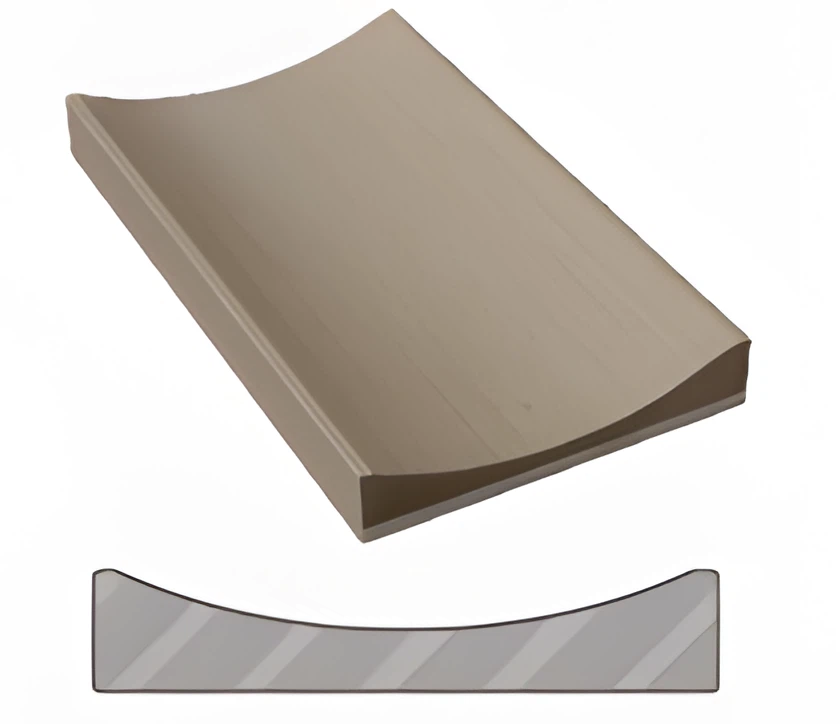
Before diving into the installation process, let's take a moment to understand what wood PVC cladding is. Wood PVC cladding is a composite material that combines the natural beauty of wood with the durability and low - maintenance properties of PVC. It is available in a variety of colors, textures, and patterns, allowing you to achieve the desired look for your ceiling.
This type of cladding is an excellent choice for both residential and commercial spaces. It can be used in kitchens, bathrooms, living rooms, and offices, providing a cost - effective alternative to traditional wood paneling. Some popular options in our product range include Wood Wall Panel with Melamine Paper Veneer and Wood Veneer Cladding, which offer different aesthetic and functional features.
Pre - installation Preparation
Measuring the Ceiling
The first step in the installation process is to measure the ceiling accurately. Use a tape measure to determine the length and width of the ceiling area where you plan to install the wood PVC cladding. Make sure to account for any irregularities or obstructions, such as light fixtures or ventilation ducts. Record these measurements carefully, as they will be crucial for determining the amount of cladding material you need.
Gathering Tools and Materials
Once you have the measurements, gather all the necessary tools and materials. You will need a saw (either a hand saw or a power saw depending on your preference and the thickness of the cladding), a drill, screws, a level, a measuring tape, a pencil, and a caulking gun. Of course, you'll also need the Wood Pvc Cladding itself, along with any additional accessories like corner pieces and trim.
Preparing the Ceiling Surface
The ceiling surface must be clean, dry, and smooth before installation. Remove any existing paint, wallpaper, or debris from the ceiling. If there are any holes or cracks, fill them with spackle and sand the surface until it is even. A level surface is essential for a proper and professional - looking installation.
Installation Steps
Installing the Furring Strips
Furring strips are thin pieces of wood or metal that are attached to the ceiling to provide a flat and stable surface for the cladding. Measure and mark the location of the furring strips on the ceiling. Typically, the strips should be spaced 16 to 24 inches apart, depending on the width of the cladding. Use a drill to attach the furring strips to the ceiling with screws. Make sure the strips are level using a level tool.
Cutting the Cladding
Using the measurements you took earlier, cut the wood PVC cladding to the appropriate length. If you are using a power saw, wear safety goggles and follow the manufacturer's instructions carefully. When cutting, make sure to cut the cladding in a straight line for a clean and precise cut. You may also need to cut the cladding at an angle for corners or around obstructions.
Installing the Cladding
Start installing the cladding from one corner of the ceiling. Align the first piece of cladding with the furring strips and use a drill to attach it to the strips with screws. Make sure the cladding is flush against the ceiling and the adjacent pieces. Continue installing the cladding one piece at a time, making sure to leave a small gap (about 1/8 inch) between each piece to allow for expansion and contraction.
Trimming and Finishing
Once all the cladding is installed, use a saw to trim any excess material at the edges of the ceiling. Install corner pieces and trim to give the installation a finished look. Use a caulking gun to apply caulk along the edges of the cladding and around any joints to seal them and prevent moisture from seeping in.
Post - installation Tips
Cleaning and Maintenance
After the installation is complete, clean the wood PVC cladding with a mild soap and water solution. Avoid using abrasive cleaners or scrubbers, as they can damage the surface of the cladding. Regular cleaning will help maintain the appearance of the cladding and extend its lifespan.
Inspecting for Quality
Inspect the installation carefully to ensure that all the pieces are securely attached and there are no gaps or uneven areas. If you notice any issues, make the necessary adjustments or repairs immediately.

Conclusion
Installing wood PVC cladding on a ceiling is a rewarding project that can significantly enhance the look and value of your space. By following these steps and using high - quality materials, you can achieve a professional - looking installation. As a supplier of Wood Pvc Cladding, I am committed to providing you with the best products and support for your project.
If you are interested in purchasing our Wood Pvc Cladding or have any questions about the installation process, please feel free to contact us. We are here to assist you in every step of your project and help you create the perfect ceiling for your home or business.
References
- "Home Improvement Handbook" - A comprehensive guide on various home improvement projects, including ceiling cladding installation.
- Manufacturer's instructions for the Wood Pvc Cladding product.