

In the realm of interior design and acoustic engineering, Medium - Density Fiberboard (MDF) acoustic panels have emerged as a popular choice. As a supplier of MDF acoustic panels, I often encounter questions from clients regarding the fire rating of these panels. Understanding the fire rating is crucial, not only for compliance with building codes but also for ensuring the safety of the occupants in any given space.
What is a Fire Rating?
Before delving into the fire rating of MDF acoustic panels, it's essential to understand what a fire rating means. A fire rating is a measure of a material's ability to resist the spread of fire and its performance during a fire event. It is typically determined through standardized tests that evaluate various factors such as flame spread, heat release, and smoke generation.
In most countries, building codes and regulations specify the minimum fire - rating requirements for different types of buildings and spaces. For example, public buildings like schools, hospitals, and theaters usually have more stringent fire - rating requirements compared to residential buildings.
Fire Rating of MDF
MDF is a composite wood product made by breaking down hardwood or softwood residuals into wood fibers, often in a defibrator, combining it with wax and a resin binder, and forming panels by applying high temperature and pressure. By nature, MDF is combustible, as it is made from wood fibers.
However, the fire performance of MDF can be improved through various treatments. Untreated MDF generally has a relatively poor fire rating. It can catch fire easily and spread flames relatively quickly. When exposed to a fire, MDF releases heat and generates a significant amount of smoke, which can be a major hazard in an enclosed space.
Fire - Treated MDF Acoustic Panels
To enhance the fire performance of MDF acoustic panels, manufacturers often use fire - retardant treatments. These treatments work by either forming a protective layer on the surface of the panel or by chemically altering the wood fibers to make them less combustible.

There are different types of fire - retardant chemicals that can be used. Some common ones include phosphorus - based, nitrogen - based, and halogen - based compounds. These chemicals can be applied during the manufacturing process, either by soaking the wood fibers in a fire - retardant solution or by spraying the solution onto the formed panels.
When MDF acoustic panels are treated with fire - retardant chemicals, they can achieve better fire ratings. For instance, they may meet the requirements of Class B or Class C fire ratings according to the European classification system (EN 13501 - 1). In this system, Class A1 and A2 are non - combustible materials, while Class B and C are materials with limited combustibility.
In the United States, the most common fire - rating standard for building materials is the ASTM E84 test, also known as the Steiner Tunnel Test. This test measures the surface burning characteristics of materials, including flame spread and smoke development. Fire - treated MDF acoustic panels can achieve a lower flame - spread index (FSI) and smoke - developed index (SDI) compared to untreated MDF, which allows them to meet the requirements for use in various building applications.
Applications and Considerations
The fire rating of MDF acoustic panels is a critical factor when considering their application. In areas where fire safety is of utmost importance, such as corridors, stairwells, and public gathering areas, it is essential to use panels with a high fire rating.
For example, in a commercial office building, using fire - treated MDF acoustic panels in the common areas can help prevent the rapid spread of fire and reduce the amount of smoke in case of an emergency. In a residential setting, while the fire - rating requirements may be less strict, using fire - resistant panels can still provide an added layer of safety.
It's also important to note that the fire rating of MDF acoustic panels can be affected by factors such as installation method and the presence of other materials in the vicinity. For instance, if the panels are installed in direct contact with a heat source or in a poorly ventilated area, their fire performance may be compromised.
Our MDF Acoustic Panel Offerings
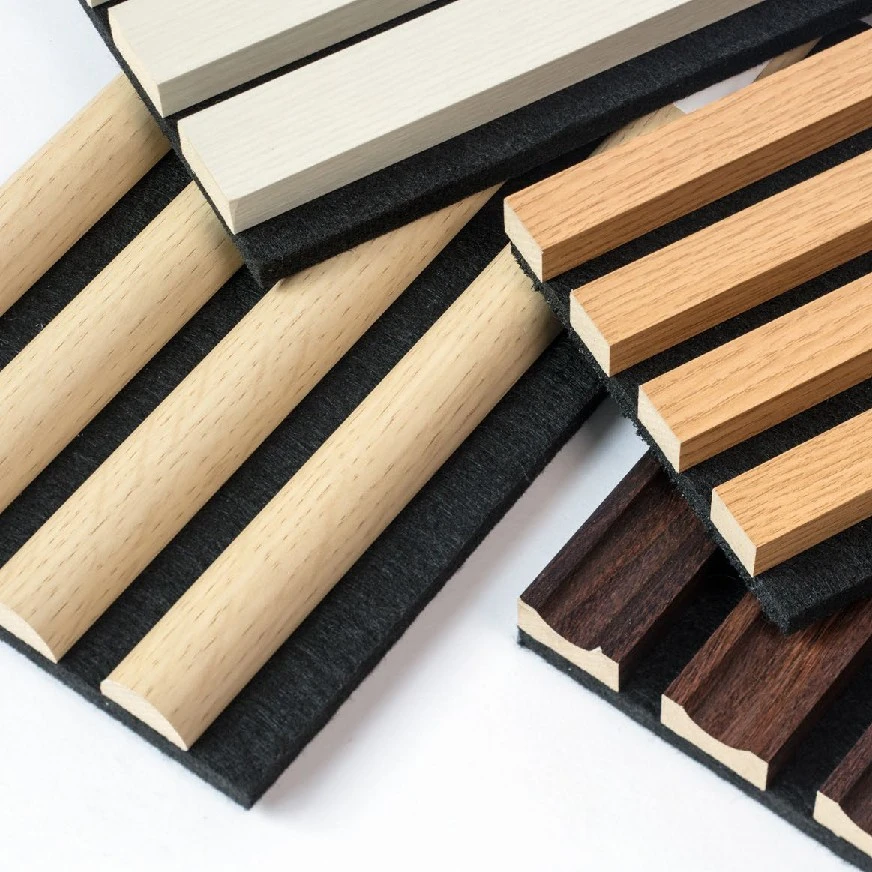
As a supplier, we offer a range of MDF acoustic panels with different fire ratings to meet the diverse needs of our clients. Our MDF Acoustic Panel with Technical Veneer combines the aesthetic appeal of technical veneer with the acoustic performance of MDF. These panels can be treated with fire - retardant chemicals to achieve a suitable fire rating for various applications.
Similarly, our MDF Acoustic Panel with Wood Veneer provides a natural and warm look. The wood veneer not only enhances the visual appeal but also allows for customization. We can ensure that these panels are fire - treated to meet the necessary safety standards.
Contact Us for Procurement
If you are interested in our MDF acoustic panels and want to discuss the fire rating requirements for your specific project, we encourage you to reach out to us. Our team of experts can provide detailed information about the fire - performance characteristics of our panels and help you select the most suitable product for your needs. Whether you are an interior designer, an architect, or a building contractor, we are here to assist you in making informed decisions about acoustic solutions that prioritize both safety and aesthetics.
References
- EN 13501 - 1:2007+A1:2009, Fire classification of construction products and building elements - Part 1: Classification using data from reaction to fire tests.
- ASTM E84 - 16a, Standard Test Method for Surface Burning Characteristics of Building Materials.
- "Wood - Based Composites: Materials, Processes, and Applications" by R. Bruce Hoadley.