

As a supplier of WPC wall panels, I often get asked about the chemical composition of these innovative building materials. WPC, which stands for Wood-Plastic Composite, is a blend of wood fibers and thermoplastics, combined with various additives to enhance its performance and durability. In this blog post, I'll delve into the key components of WPC wall panels and explain how they contribute to the product's unique properties.
Wood Fibers
The wood fibers used in WPC wall panels are typically sourced from recycled wood products, such as sawdust, wood chips, or wood flour. These fibers provide the panel with a natural, wood-like appearance and texture, as well as some of the strength and stiffness associated with traditional wood materials. The type of wood used can vary, but common choices include pine, oak, and maple.
The wood fibers also play a role in the panel's environmental sustainability. By using recycled wood, WPC wall panels help to reduce the demand for virgin timber, which can have a significant impact on deforestation. Additionally, the use of wood fibers can improve the panel's insulation properties, helping to reduce energy consumption in buildings.
Thermoplastics
The thermoplastics used in WPC wall panels are typically polyethylene (PE), polypropylene (PP), or polyvinyl chloride (PVC). These plastics provide the panel with its flexibility, durability, and resistance to moisture, rot, and insects. The choice of thermoplastic depends on the specific application and performance requirements of the panel.
Polyethylene is a common choice for WPC wall panels due to its low cost, good chemical resistance, and ease of processing. Polypropylene is another popular option, offering high stiffness, strength, and heat resistance. Polyvinyl chloride is known for its excellent fire resistance and durability, making it a suitable choice for applications where these properties are critical.
Additives
In addition to wood fibers and thermoplastics, WPC wall panels often contain a variety of additives to enhance their performance and durability. These additives can include coupling agents, lubricants, stabilizers, pigments, and UV inhibitors.
Coupling agents are used to improve the adhesion between the wood fibers and the thermoplastics, ensuring a strong and stable bond. Lubricants are added to reduce friction during the manufacturing process, making it easier to mold the panel into the desired shape. Stabilizers are used to prevent the degradation of the thermoplastics due to heat, light, or oxygen, extending the panel's lifespan.
Pigments are used to give the panel its color and appearance, allowing for a wide range of design options. UV inhibitors are added to protect the panel from the harmful effects of sunlight, preventing fading and discoloration over time.
Benefits of WPC Wall Panels
The unique chemical composition of WPC wall panels offers several benefits over traditional building materials, such as wood, concrete, and metal. Some of the key advantages of WPC wall panels include:
- Durability: WPC wall panels are highly resistant to moisture, rot, and insects, making them ideal for use in both indoor and outdoor applications. They can withstand harsh weather conditions and are less likely to warp, crack, or splinter compared to traditional wood panels.
- Low Maintenance: WPC wall panels require minimal maintenance compared to traditional building materials. They can be easily cleaned with soap and water, and do not require painting, staining, or sealing.
- Environmental Sustainability: WPC wall panels are made from recycled materials, reducing the demand for virgin timber and helping to conserve natural resources. They are also recyclable at the end of their lifespan, further reducing their environmental impact.
- Design Flexibility: WPC wall panels are available in a wide range of colors, textures, and patterns, allowing for a variety of design options. They can be used to create a modern, contemporary look or a more traditional, rustic aesthetic.
Applications of WPC Wall Panels
WPC wall panels are a versatile building material that can be used in a variety of applications, including:
- Interior Wall Cladding: WPC wall panels can be used to add a decorative touch to interior walls in homes, offices, restaurants, and other commercial buildings. They can be installed directly over existing walls or used to create a feature wall.
- Exterior Wall Cladding: WPC wall panels are also suitable for use as exterior wall cladding, providing a durable and attractive alternative to traditional siding materials. They can be used to enhance the curb appeal of a building and protect it from the elements.
- Ceiling Panels: WPC wall panels can be used to create a unique and stylish ceiling design in any room. They can be installed in a variety of patterns and configurations to add visual interest and dimension to the space.
- Partition Walls: WPC wall panels can be used to create partition walls in offices, schools, hospitals, and other commercial buildings. They provide a cost-effective and flexible solution for dividing large spaces into smaller, more functional areas.
Our WPC Wall Panel Products
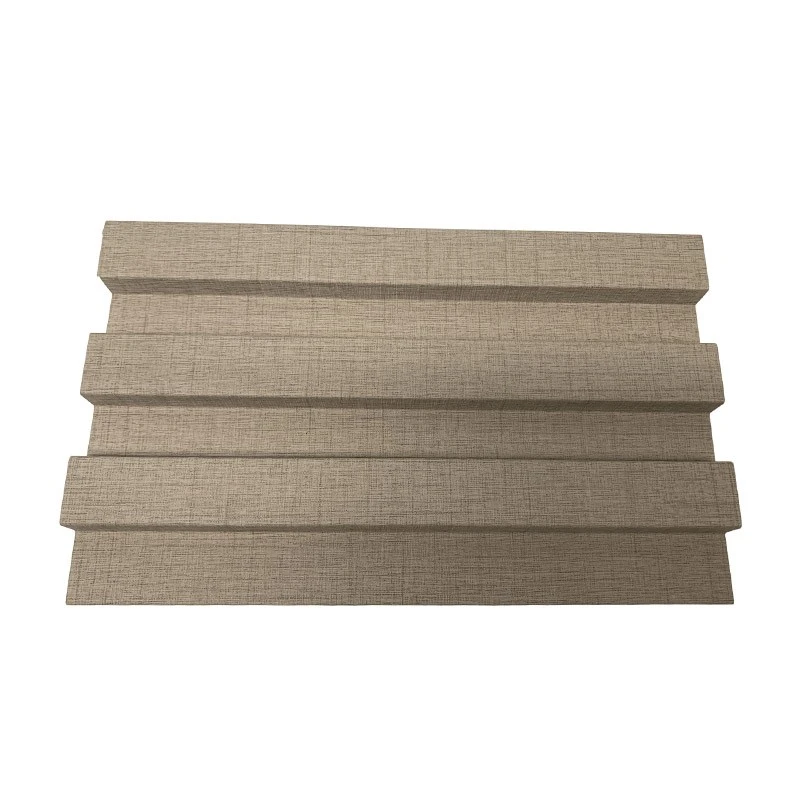
As a leading supplier of WPC wall panels, we offer a wide range of products to meet the needs of our customers. Our products include WPC Wall Panel with Technical Veneer, WPC Wall Panel with Melamine Paper Veneer, and Wpc Wood Panel Outdoor.
Our WPC wall panels are made from high-quality materials and are designed to meet the highest standards of quality and performance. They are available in a variety of colors, textures, and patterns, allowing for a wide range of design options. Whether you're looking for a modern, contemporary look or a more traditional, rustic aesthetic, we have the perfect WPC wall panel for your project.
Contact Us for Purchasing and Negotiation
If you're interested in purchasing our WPC wall panels or have any questions about our products, please don't hesitate to contact us. Our team of experts is available to provide you with more information, answer your questions, and help you find the right product for your needs. We look forward to working with you and helping you create the perfect space with our high-quality WPC wall panels.

References
- "Wood-Plastic Composites: A Review," Journal of Composite Materials, Vol. 45, No. 1, 2011.
- "The Chemistry of Wood-Plastic Composites," Polymer Composites, Vol. 32, No. 10, 2011.
- "WPC Wall Panels: Properties, Applications, and Market Trends," Construction and Building Materials, Vol. 102, 2016.