

When it comes to home improvement, replacing doors is a task that can significantly enhance the aesthetics and functionality of your living space. As a door supplier, I understand the importance of accurate measurements in ensuring a perfect fit for your new doors. In this blog post, I'll guide you through the process of measuring a door for replacement, step by step.
Why Accurate Measurements Matter
Before we dive into the measurement process, let's understand why getting accurate measurements is crucial. A poorly measured door can lead to a host of problems, including gaps around the door, difficulty in opening and closing, and even security risks. On the other hand, precise measurements ensure that your new door fits snugly into the frame, providing better insulation, noise reduction, and overall performance.
Tools You'll Need
To measure your door accurately, you'll need the following tools:
- Tape measure: A good-quality tape measure is essential for taking precise measurements. Make sure it's at least 25 feet long to reach all the necessary areas.
- Pencil and paper: You'll need to jot down your measurements as you go, so keep a pencil and paper handy.
- Level: A level will help you ensure that your door frame is straight and plumb. This is important for a proper fit.
Measuring the Door Opening
The first step in measuring a door for replacement is to measure the door opening. Here's how to do it:
- Measure the width: Measure the width of the door opening at the top, middle, and bottom. Record the narrowest measurement. This is important because door frames can sometimes be slightly out of square, and using the narrowest measurement ensures that the new door will fit properly.
- Measure the height: Measure the height of the door opening on the left, middle, and right sides. Record the shortest measurement. Again, this accounts for any variations in the frame.
- Check for square: Use a level to check if the door frame is square. Place the level vertically on one side of the frame and then horizontally across the top. If the bubble in the level is centered, the frame is square. If not, you may need to make some adjustments before installing the new door.
Measuring the Door Itself
If you're replacing an existing door, you'll also need to measure the door itself. This can be useful for reference, especially if you're looking for a door with similar dimensions. Here's how to measure the door:

- Measure the width: Measure the width of the door at the top, middle, and bottom. Record the widest measurement.
- Measure the height: Measure the height of the door on the left, middle, and right sides. Record the tallest measurement.
- Measure the thickness: Measure the thickness of the door. This is important because different doors have different thicknesses, and you'll need to make sure the new door has the same thickness as the old one or is compatible with your door frame.
Special Considerations
There are a few special considerations to keep in mind when measuring a door for replacement:
- Trim and molding: If your door has trim or molding around it, you'll need to measure the overall width and height of the door and trim together. This will ensure that the new door and any new trim or molding fit properly.
- Sliding doors: Measuring a sliding door is a bit different. You'll need to measure the width of the opening and the height of the track. You'll also need to measure the thickness of the door and the distance between the tracks.
- French doors: French doors require special measurements. You'll need to measure the width and height of each individual door panel, as well as the overall width and height of the door opening.
Choosing the Right Door
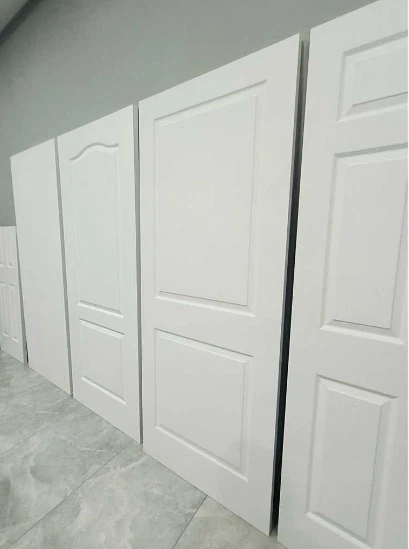
Once you have your measurements, it's time to choose the right door for your needs. As a door supplier, I offer a wide range of doors to choose from, including White Moulded Internal Doors, White Primed Shaker Doors, and 30 X 96 Barn Door. When choosing a door, consider the following factors:
- Style: Choose a door style that complements the overall design of your home. Whether you prefer a traditional, modern, or rustic look, there's a door style to suit your taste.
- Material: Doors are available in a variety of materials, including wood, fiberglass, and steel. Each material has its own advantages and disadvantages, so choose the one that best fits your needs and budget.
- Insulation: If energy efficiency is a concern, look for a door with good insulation properties. This can help reduce your heating and cooling costs.
Contact Us for More Information
I hope this guide has been helpful in teaching you how to measure a door for replacement. If you have any questions or need further assistance, please don't hesitate to contact us. As a door supplier, I'm here to help you find the perfect door for your home. Whether you're looking for a new interior door, exterior door, or something in between, I have a wide selection of high-quality doors to choose from.
References
- "How to Measure a Door for Replacement." This guide was based on my experience as a door supplier and general knowledge of door installation.