

Matching wood wall panels with the wall color is a crucial aspect of interior design that can significantly impact the overall aesthetic and ambiance of a space. As a wood wall panel supplier, I understand the importance of guiding our clients through this process to achieve the perfect look for their projects. In this blog post, I'll share some expert tips on how to match wood wall panels with wall colors effectively.
Understanding Wood Wall Panels
Before delving into color matching, it's essential to understand the different types of wood wall panels available. We offer a variety of options, including Wood Wall Panel with Technical Veneer, Wood Wall Panel with Melamine Paper Veneer, and Wood Veneer Cladding. Each type has its unique characteristics, such as texture, grain pattern, and color variations, which can influence the color - matching process.
Technical veneer panels often have a more uniform appearance and can come in a wide range of colors and finishes. Melamine paper veneer panels are known for their durability and affordability, with a variety of printed wood grain patterns. Wood veneer cladding, on the other hand, offers a natural and authentic wood look, with the beauty of real wood grain.
Complementary Color Schemes
One of the most popular ways to match wood wall panels with wall colors is by using complementary color schemes. Complementary colors are those that are opposite each other on the color wheel. For example, if your wood wall panels have warm tones, such as oak or mahogany, you can pair them with cool - toned wall colors like blue or green. This creates a visually striking contrast that adds depth and interest to the space.
If you have light - colored wood wall panels, like maple or ash, you can choose a darker complementary color for the walls, such as a deep navy blue or forest green. This combination can make the wood panels stand out and give the room a sophisticated look. Conversely, if your wood panels are dark, a lighter complementary color on the walls, like a pale yellow or mint green, can brighten up the space and create a balanced look.
Analogous Color Schemes
Analogous color schemes involve using colors that are adjacent to each other on the color wheel. This approach creates a harmonious and cohesive look. For wood wall panels, an analogous color scheme can enhance the natural beauty of the wood.
If your wood panels have a red - brown tone, you can choose wall colors in the orange or yellow - orange range. This creates a warm and inviting atmosphere. For example, a cherry wood wall panel would look great with a peach - colored wall. Similarly, if your wood panels are more on the yellow - brown side, like pine, you can pair them with light green or yellow - green wall colors for a fresh and natural look.
Monochromatic Color Schemes
A monochromatic color scheme uses different shades and tints of the same color. This can be a great option when you want to create a sleek and modern look. For wood wall panels, you can choose a wall color that is in the same color family as the wood.
If you have walnut wood wall panels, which have a rich, dark brown color, you can paint the walls in lighter or darker shades of brown. This creates a seamless and elegant look, where the wood panels blend in with the walls while still maintaining their texture and character. A monochromatic color scheme also allows the wood grain to be the focal point of the space.
Consider the Room's Function
The function of the room should also play a role in your color - matching decision. For example, in a bedroom, you may want to create a calm and relaxing atmosphere. Soft, neutral wall colors like beige or light gray paired with light - colored wood wall panels can achieve this. The natural warmth of the wood combined with the soothing wall color can make the bedroom a peaceful retreat.
In a living room, where you want to encourage social interaction and a lively atmosphere, you can be more bold with your color choices. A bright, complementary color on the walls, like a vivid red or purple, paired with medium - toned wood wall panels, can create an energetic and inviting space.
In a kitchen, functionality and cleanliness are important. Light - colored wood wall panels, such as birch, paired with white or light blue walls can give the kitchen a clean and fresh look. The wood adds a touch of warmth and naturalness to the otherwise sterile environment.
Lighting Conditions
Lighting is another crucial factor when matching wood wall panels with wall colors. Natural light can change the appearance of both the wood and the wall color throughout the day. In a room with a lot of natural light, you can choose darker wall colors and wood panels because the light will brighten up the space.
In a room with limited natural light, it's best to use lighter wall colors and wood panels to avoid making the space feel dark and cramped. Artificial lighting also plays a role. Warm - toned light bulbs can enhance the warmth of wood wall panels and make complementary or analogous color schemes more vibrant.
Testing Samples
Before making a final decision on the wall color, it's highly recommended to test samples. You can get small samples of the wood wall panels and paint samples of the potential wall colors. Place the samples on the wall in the room where they will be installed and observe them at different times of the day and under different lighting conditions.
This allows you to see how the colors interact with each other and with the overall environment of the room. You may find that a color that looked great in the store doesn't work as well in your specific space. Testing samples can save you from making a costly mistake and ensure that you achieve the desired look.
The Impact of Texture
The texture of the wood wall panels and the walls can also affect the overall look. If your wood panels have a rough or textured surface, a smooth - textured wall can create an interesting contrast. On the other hand, if you want a more cohesive look, you can choose a wall finish with a similar texture.

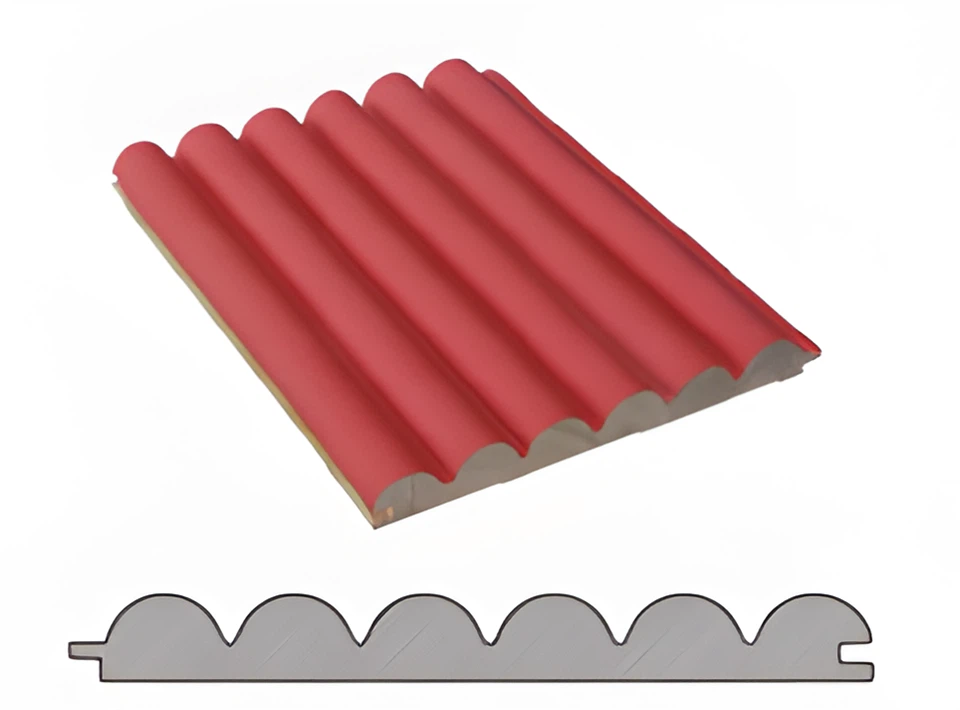
For example, a rustic - style wood wall panel with a rough hewn texture would look great with a wall that has a slightly textured paint finish, like a suede or sandstone texture. This enhances the overall rustic aesthetic of the space.
Conclusion
Matching wood wall panels with wall colors is a creative process that requires careful consideration of various factors, including the type of wood, color schemes, room function, lighting, and texture. As a wood wall panel supplier, we are here to assist you in making the right choices for your project.
Whether you're looking for a complementary, analogous, or monochromatic color scheme, or you have specific requirements based on the room's function, we can provide you with high - quality wood wall panels and guidance on color matching. If you're interested in our products or need more advice on how to match wood wall panels with wall colors, please feel free to contact us for a procurement discussion. We look forward to helping you create the perfect interior space.
References
- Interior Design: Principles and Practice by Francis D. K. Ching
- Color Psychology in Interior Design by Karen Haller
- Woodworking and Interior Design Handbook by John Smith