

Installing a door seal is a practical and effective way to enhance the energy efficiency, security, and comfort of your home or commercial space. As a door supplier, I understand the importance of proper door installation and maintenance, including the addition of high - quality door seals. In this blog, I'll guide you through the step - by - step process of installing a door seal, so you can enjoy the benefits it brings.
Why Install a Door Seal?
Before we dive into the installation process, let's briefly discuss why installing a door seal is a great idea. Door seals act as barriers against drafts, dust, noise, and pests. By preventing air leakage, they help to maintain a consistent indoor temperature, reducing your heating and cooling costs. Additionally, they enhance the security of your property by filling gaps that could be exploited by intruders.
Tools and Materials Needed
To install a door seal, you'll need the following tools and materials:
- Measuring Tape: To measure the dimensions of the door and the areas where the seal will be installed.
- Utility Knife: For cutting the door seal to the appropriate length.
- Screwdriver: If your door seal requires screws for installation. Some seals use adhesive, in which case you won't need a screwdriver.
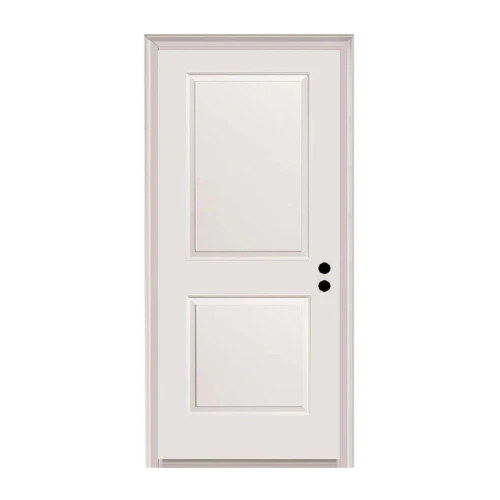
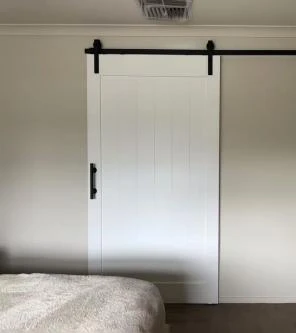
- Door Seal: Choose a door seal that is suitable for your door type and the specific needs of your space. We offer a wide range of door seals, and you can also explore different door options on our website, such as White Moulded Internal Doors, 30 X 96 Barn Door, and Stainable Fiberglass Front Door.
Step - by - Step Installation Guide
Step 1: Measure the Door
Start by measuring the perimeter of the door where you plan to install the seal. Measure the height and width of the door frame accurately. If you're installing a seal on the bottom of the door, measure the width of the door at the bottom. Make sure to account for any irregularities in the door or frame. Write down the measurements clearly so you can cut the seal to the correct length.
Step 2: Choose the Right Seal
Based on your measurements and the type of door, select the appropriate door seal. There are different types of door seals available, such as weatherstripping seals for exterior doors, which are designed to keep out the elements, and brush seals for interior doors, which are great for reducing noise. Consider the material of the seal as well. Common materials include rubber, vinyl, and silicone, each with its own advantages in terms of durability, flexibility, and resistance to wear and tear.
Step 3: Prepare the Door and Seal
Clean the surface of the door or door frame where the seal will be installed. Remove any dirt, dust, or old adhesive using a clean cloth and a mild cleaning solution. This will ensure that the seal adheres properly. If your seal comes with an adhesive backing, remove the protective paper from a small section of the adhesive at one end of the seal.
Step 4: Install the Seal on the Sides and Top
Starting at the top corner of the door frame, press the seal firmly against the surface, aligning it with the edge of the frame. Slowly work your way down the side of the frame, pressing the seal firmly as you go to ensure good adhesion. If you're using a seal with screws, pre - drill holes in the frame at regular intervals and then screw the seal in place. Make sure to cut the seal at the corners to fit neatly. You may need to use a miter cut for a more professional look.
Step 5: Install the Bottom Seal
For the bottom of the door, measure and cut the seal to the width of the door. There are different types of bottom seals, such as sweep seals and threshold seals. If you're using a sweep seal, attach it to the bottom of the door using screws or adhesive. Make sure it is level and that it touches the floor when the door is closed. A threshold seal is installed on the floor under the door and acts as a barrier against drafts and water.
Step 6: Check the Fit
After installing the seal, close the door and check the fit. Make sure the door closes smoothly without any resistance. If there are any areas where the seal is not making proper contact, re - position or adjust it as needed. You may also want to test the door for air leakage by holding a lit candle near the edges of the door. If the flame flickers, there is still some air leakage that needs to be addressed.
Common Installation Problems and Solutions
- Poor Adhesion: If the seal is not sticking properly, clean the surface again and make sure it is dry. You can also use a stronger adhesive or additional mechanical fasteners.
- Incorrect Fit: If the seal is too long or too short, re - measure and cut it to the correct size. If it doesn't fit the shape of the door or frame, consider using a more flexible seal or making adjustments to the installation.
- Door Won't Close: If the door won't close properly after installing the seal, check if the seal is too thick or if it is installed in the wrong position. You may need to trim the seal or re - install it.
Maintenance Tips
Once you've installed the door seal, it's important to maintain it properly to ensure its long - term performance. Regularly clean the seal with a mild soap and water solution to remove dirt and debris. Check for any signs of wear and tear, such as cracks or loose parts, and replace the seal if necessary.
Conclusion
Installing a door seal is a relatively simple DIY project that can have a big impact on the energy efficiency, comfort, and security of your space. As a door supplier, I highly recommend investing in high - quality door seals and following the proper installation process. If you have any questions or need further assistance with door selection or seal installation, don't hesitate to reach out. We're here to help you make the best choice for your needs. Whether you're interested in White Moulded Internal Doors, 30 X 96 Barn Door, or Stainable Fiberglass Front Door, we can provide you with the products and expertise you need. Contact us today to discuss your project and explore our range of door solutions.
References
- "Home Improvement Handbook." Random House Publishing.
- "Energy Efficient Door Solutions." Green Building Council Publications.