

Hey there, fellow builders and DIY enthusiasts! I'm a supplier of MDF Jamb, and today I'm stoked to chat about how MDF Jamb interacts with other building materials. It's super important to understand these interactions because it can make or break the success of your building project.
MDF Jamb and Wood
Wood is one of the most common building materials out there, and it pairs pretty well with MDF Jamb. When you're installing an MDF Jamb, you might find yourself working alongside wooden frames or studs. The good thing about MDF Jamb is that it's easy to cut and shape, just like wood. You can use regular woodworking tools to make sure the MDF Jamb fits perfectly against the wooden components.
One of the key considerations when combining MDF Jamb with wood is the difference in moisture absorption. Wood can absorb and release moisture depending on the environment, which might cause it to expand or contract. MDF, on the other hand, is more stable in terms of moisture but can still be affected if it gets too wet. So, when you're installing MDF Jamb next to wood, it's a good idea to use a moisture barrier, like a sealant or paint, to protect both materials. This way, you can prevent issues like warping or rotting down the line.
Another aspect is the aesthetic. MDF Jamb can be painted to match the color of the wood, creating a seamless look. Whether you're going for a natural wood finish or a bold, painted look, MDF Jamb can be customized to fit in with the wooden elements of your project. It's a great way to add a professional touch without breaking the bank.
MDF Jamb and Metal
Metal is another building material that you might encounter when working with MDF Jamb. Metal components, like hinges or door frames, are often used in commercial settings. When it comes to Commercial Door Jamb, the interaction with metal is crucial.
One of the benefits of using MDF Jamb with metal is the ease of installation. MDF Jamb can be easily attached to metal frames using screws or nails. However, you need to be careful when drilling into the metal to avoid damaging the MDF. It's a good idea to use a pilot hole to make sure the screws go in smoothly.
In terms of durability, metal is known for its strength and resistance to wear and tear. MDF Jamb can complement this by providing a smooth, finished look. You can paint the MDF Jamb to match the color of the metal, or you can use a contrasting color for a more eye - catching effect. Just make sure to use a paint that is suitable for both materials to ensure a long - lasting finish.
Another thing to consider is the electrical conductivity of metal. If you're working in an area where there's a risk of electrical shock, make sure to insulate the MDF Jamb properly. This can prevent any potential safety hazards.
MDF Jamb and Drywall
Drywall is a staple in many building projects, and it often works hand in hand with MDF Jamb. When installing MDF Jamb around a door or window opening in a drywall partition, you need to ensure a proper fit.
First, you'll want to make sure the drywall is properly installed and leveled before attaching the MDF Jamb. This will make the installation process much easier and ensure a better overall look. You can use a level to check the drywall and make any necessary adjustments.
When it comes to attaching the MDF Jamb to the drywall, you can use construction adhesive or nails. Construction adhesive provides a strong bond and helps to reduce the risk of the jamb coming loose over time. However, if you choose to use nails, make sure to use the right size and type to avoid splitting the MDF.
Once the MDF Jamb is installed, you'll need to finish the joint between the jamb and the drywall. You can use joint compound to fill any gaps and create a smooth transition. After the joint compound has dried, you can sand it down and paint the entire surface for a professional finish.
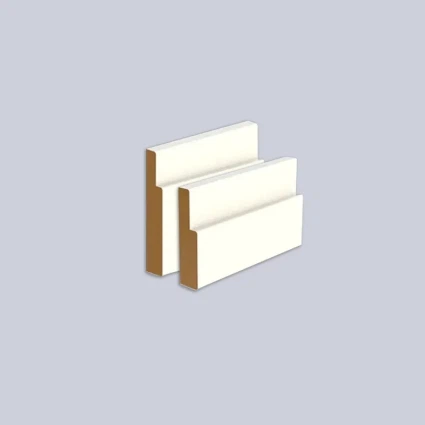

MDF Jamb and Door Stop
A Door Stop is an essential part of any door installation, and it works closely with MDF Jamb. The door stop is used to prevent the door from hitting the wall or other objects when it's opened or closed.
When installing a door stop with MDF Jamb, you need to make sure it's properly aligned. The door stop should be attached to the MDF Jamb in a way that it provides a smooth surface for the door to rest against. You can use screws or nails to attach the door stop, but make sure not to over - tighten them, as this can damage the MDF.
In terms of style, you can choose a door stop that complements the MDF Jamb. There are many different types of door stops available, from simple wooden strips to more decorative metal or plastic options. You can paint the door stop to match the MDF Jamb for a cohesive look.
Why Choose Our MDF Jamb?
As a supplier of MDF Jamb, I can tell you that our product is top - notch. We use high - quality materials and advanced manufacturing techniques to ensure that our MDF Jamb is strong, durable, and easy to work with. Our MDF Jamb is pre - finished, which means you can save time on the finishing process. It also has a smooth surface that is perfect for painting or staining.
We offer a wide range of sizes and styles to suit your needs. Whether you're working on a small residential project or a large commercial building, we have the right MDF Jamb for you. And if you have any specific requirements, our team is always happy to help you find a customized solution.
Conclusion
Understanding how MDF Jamb interacts with other building materials is crucial for a successful building project. Whether you're working with wood, metal, drywall, or door stops, each combination has its own set of considerations. By following the tips and guidelines I've shared, you can ensure a proper installation and a long - lasting finish.
If you're interested in purchasing MDF Jamb for your next project, don't hesitate to get in touch. We're here to answer any questions you might have and help you find the perfect MDF Jamb for your needs. Let's work together to make your building project a success!
References
- Building Materials Handbook, various authors
- DIY Home Improvement Guide, local publishing house