

Wood wall panels have long been a favored choice for interior and exterior design, offering a natural warmth, aesthetic appeal, and durability. As a supplier of high - quality wood wall panels, I often get asked by customers whether these panels require regular maintenance. In this blog, I'll delve into this question and provide you with comprehensive insights.
Understanding the Basics of Wood Wall Panels
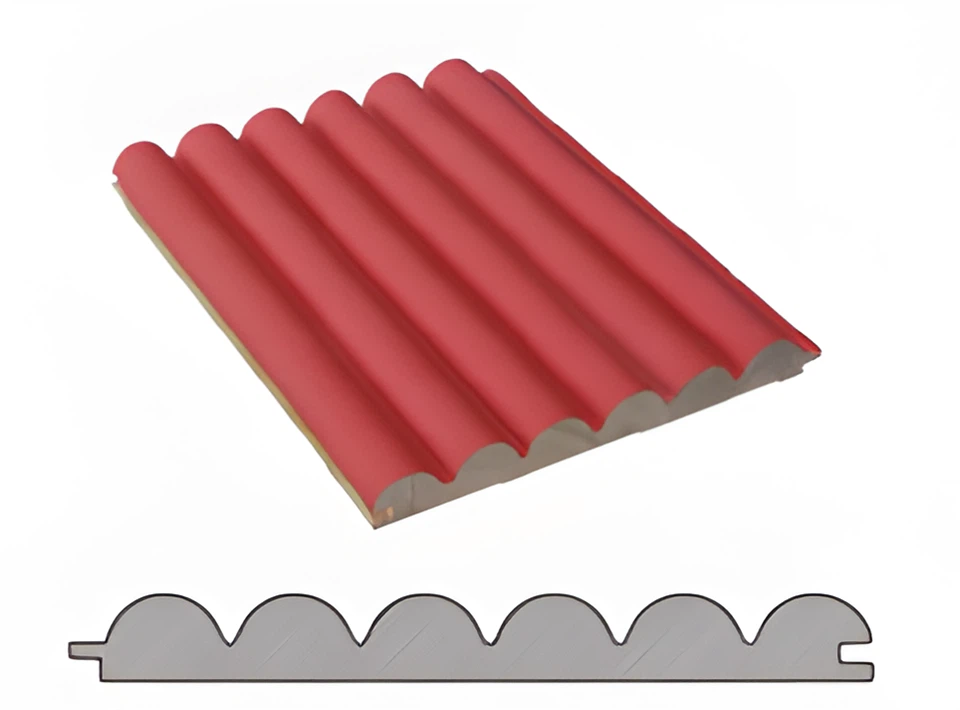
Before discussing maintenance, it's essential to understand the different types of wood wall panels available. We offer a diverse range, including Wood Pvc Cladding, Wood Wall Panel with Technical Veneer, and Wood Veneer Cladding. Each type has its unique characteristics, which can influence the maintenance requirements.
Wood PVC cladding combines the beauty of wood with the durability of PVC. It is resistant to moisture, rot, and pests, making it a great option for areas with high humidity or exposure to the elements. Wood wall panels with technical veneer feature a thin layer of real wood veneer on a substrate, providing an authentic wood look at a more affordable price. Wood veneer cladding, on the other hand, uses a thicker layer of natural wood veneer, offering a luxurious and natural appearance.
Factors Affecting Maintenance Requirements
Several factors determine whether wood wall panels need regular maintenance.
Environmental Conditions
The environment in which the wood wall panels are installed plays a significant role. If the panels are installed in an interior space with stable temperature and humidity levels, they will generally require less maintenance compared to those installed outdoors or in areas with extreme conditions. For example, in a dry and climate - controlled room, the wood is less likely to warp, crack, or develop mold. In contrast, outdoor wood wall panels are exposed to sunlight, rain, snow, and fluctuating temperatures, which can cause the wood to expand, contract, and deteriorate over time.
Wood Species
Different wood species have varying levels of natural durability. Some woods, such as teak and cedar, contain natural oils and resins that make them more resistant to decay, insects, and moisture. These woods may require less maintenance compared to softer woods like pine or spruce. However, even durable woods can benefit from some level of protection, especially when exposed to harsh environmental conditions.
Finish and Treatment
The finish applied to the wood wall panels also affects maintenance. A high - quality finish, such as a clear coat or a stain, can provide a protective barrier against moisture, UV rays, and scratches. Panels that have been pre - treated with preservatives or fire - retardant chemicals may also require less maintenance. However, over time, the finish may wear off, especially in high - traffic areas, and may need to be reapplied.

General Maintenance Guidelines
Regardless of the type of wood wall panels and the installation environment, some general maintenance practices can help keep them in good condition.
Regular Cleaning
Regular cleaning is essential to remove dirt, dust, and debris from the wood wall panels. For interior panels, a soft, dry cloth or a microfiber duster can be used to gently wipe the surface. For more stubborn stains, a mild soap solution can be used, followed by a rinse with clean water and a dry with a soft cloth. When cleaning outdoor wood wall panels, a pressure washer can be used, but it should be set to a low pressure to avoid damaging the wood.
Inspection
Periodic inspections of the wood wall panels are recommended to detect any signs of damage, such as cracks, warping, or mold growth. Early detection allows for timely repairs, which can prevent further damage and extend the lifespan of the panels. During inspections, pay attention to areas around joints, corners, and edges, as these are more prone to damage.
Re - finishing
As mentioned earlier, the finish on the wood wall panels may wear off over time. Depending on the type of finish and the level of wear, re - finishing may be required every few years. Before re - finishing, the surface should be sanded lightly to remove any old finish and rough spots. Then, a new coat of finish can be applied according to the manufacturer's instructions.
Maintenance for Different Types of Wood Wall Panels
Wood PVC Cladding
Wood PVC cladding is relatively low - maintenance. It is resistant to moisture, rot, and pests, so it does not require the same level of protection as natural wood. However, it still needs to be cleaned regularly to maintain its appearance. A mild soap and water solution can be used to clean the surface, and any scratches or scuffs can be buffed out with a soft cloth.
Wood Wall Panel with Technical Veneer
These panels require more attention than wood PVC cladding. The thin veneer layer can be easily damaged, so it's important to avoid using abrasive cleaners or tools. Regular cleaning with a soft cloth and a mild cleaner is recommended. If the veneer shows signs of wear or damage, it may be possible to repair it by sanding and re - staining the affected area.
Wood Veneer Cladding
Wood veneer cladding offers a luxurious look but also requires more maintenance. The natural wood veneer is more susceptible to moisture, UV damage, and scratches. Regular cleaning, inspection, and re - finishing are crucial to keep the panels looking their best. In addition, it's important to protect the panels from direct sunlight and excessive moisture to prevent warping and discoloration.
Benefits of Regular Maintenance
Regular maintenance of wood wall panels offers several benefits. Firstly, it helps to preserve the aesthetic appeal of the panels. Well - maintained wood wall panels can enhance the overall look of a space, adding value to a property. Secondly, maintenance can extend the lifespan of the panels, saving you money in the long run. By preventing damage and deterioration, you can avoid the need for costly replacements. Finally, proper maintenance can ensure the safety of the wood wall panels. For example, regular inspections can detect any structural issues, such as loose joints or weakened areas, which can be repaired before they pose a risk.
Conclusion
In conclusion, whether wood wall panels require regular maintenance depends on various factors, including environmental conditions, wood species, and finish. While some types of wood wall panels, such as wood PVC cladding, are relatively low - maintenance, others, like wood veneer cladding, need more attention. By following the general maintenance guidelines and tailoring the maintenance routine to the specific type of panels, you can keep your wood wall panels in excellent condition for many years to come.
If you're interested in purchasing high - quality wood wall panels or have any questions about their maintenance, I encourage you to reach out to us. We're here to provide you with the best products and advice to meet your needs.
References
- "Wood Handbook: Wood as an Engineering Material." Forest Products Laboratory, U.S. Department of Agriculture.
- Manufacturer's guidelines for wood wall panel products.