

Can wood wall panels be used in a hallway? This is a question that many homeowners, interior designers, and architects often ask. As a proud supplier of high - quality wood wall panels, I am more than happy to explore this topic in detail.
Advantages of Using Wood Wall Panels in Hallways
Aesthetic Appeal
One of the most significant advantages of using wood wall panels in a hallway is their unparalleled aesthetic appeal. Wood has a natural warmth and beauty that can transform a dull and uninviting hallway into a cozy and elegant space. The unique grain patterns and textures of different wood species offer a wide range of design possibilities. For instance, oak wood wall panels can provide a classic and timeless look, while walnut panels exude a sense of luxury and sophistication.
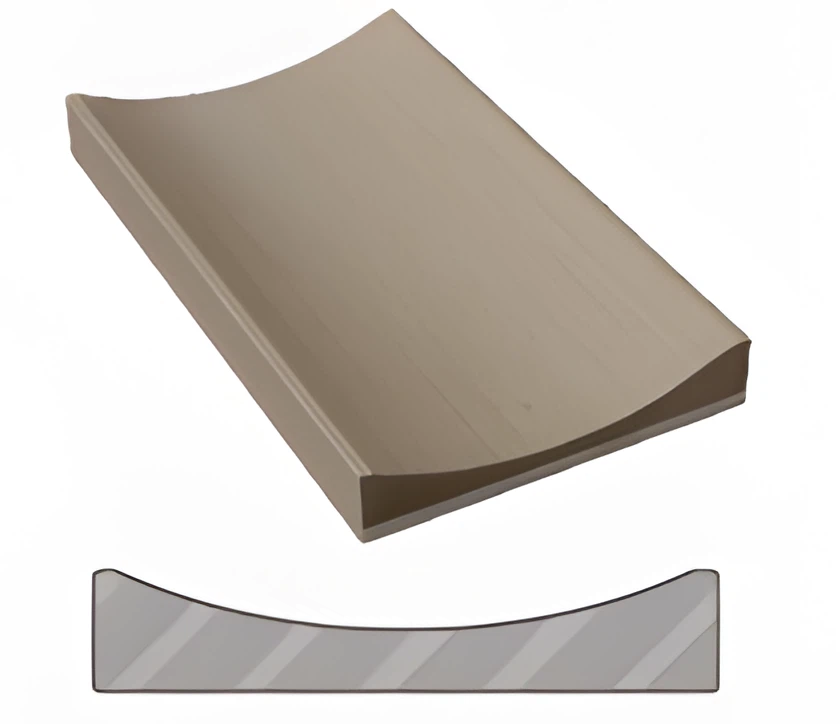
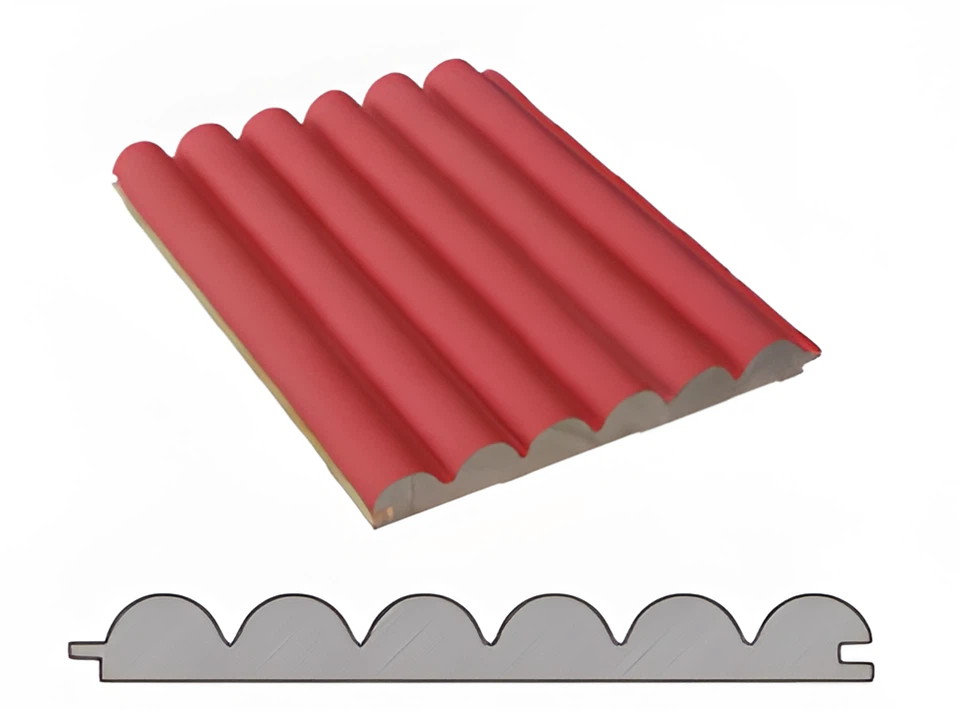
The natural color variations in wood also add depth and character to the hallway. Whether you prefer a light - toned wood for a bright and airy feel or a dark - toned wood for a more dramatic effect, there is a wood species to suit every taste. This aesthetic flexibility makes wood wall panels a popular choice for those looking to make a statement with their hallway design.
Acoustic Benefits
Hallways can often be noisy places, with sounds echoing from room to room. Wood wall panels can act as natural sound absorbers, helping to reduce noise levels and create a more peaceful environment. The porous nature of wood allows it to trap sound waves, preventing them from bouncing around the hallway. This is particularly beneficial in large homes or commercial buildings where noise control is essential. By installing wood wall panels, you can create a more comfortable and private space for residents or visitors.
Durability
Wood wall panels are known for their durability. When properly maintained, they can last for many years, even in high - traffic areas like hallways. High - quality wood species are resistant to scratches, dents, and wear, making them ideal for areas that are frequently used. Additionally, modern wood wall panel manufacturing techniques, such as the use of protective coatings, can further enhance their durability and longevity.
Considerations When Using Wood Wall Panels in Hallways
Moisture Resistance
While wood is a durable material, it can be susceptible to moisture damage. Hallways are often exposed to varying levels of humidity, especially if they are located near bathrooms or kitchens. To prevent moisture - related issues such as warping, swelling, or mold growth, it is important to choose wood wall panels that are treated for moisture resistance. Some manufacturers offer wood wall panels with special coatings or finishes that provide an extra layer of protection against moisture.
Installation Requirements
Proper installation is crucial for the performance and appearance of wood wall panels in a hallway. It is recommended to hire a professional installer who has experience working with wood wall panels. The installer will ensure that the panels are properly aligned, fastened, and sealed to prevent gaps or unevenness. Additionally, they will be able to address any specific installation challenges that may arise, such as working around electrical outlets or corners.
Cost
The cost of wood wall panels can vary depending on the type of wood, the quality of the panels, and the size of the hallway. Generally, high - end wood species and custom - made panels will be more expensive than standard options. However, it is important to consider the long - term benefits of using wood wall panels, such as their durability and aesthetic appeal, when evaluating the cost. In many cases, the investment in wood wall panels can add significant value to a property.
Types of Wood Wall Panels Suitable for Hallways
Wood Veneer Cladding
Wood Veneer Cladding is a popular choice for hallway applications. It consists of a thin layer of real wood veneer bonded to a substrate, such as plywood or MDF. This type of panel offers the natural beauty of wood at a more affordable price. Wood veneer cladding is available in a wide range of wood species and finishes, allowing you to achieve the desired look for your hallway.
Wood Wall Panel with Melamine Paper Veneer
Wood Wall Panel with Melamine Paper Veneer is another option for hallways. The melamine paper veneer provides a smooth and durable surface that is resistant to stains, scratches, and moisture. It is available in a variety of colors and patterns, including wood - grain designs, which can mimic the look of real wood. This type of panel is often more budget - friendly than solid wood panels and is easy to clean and maintain.
Wood Wall Panel with Technical Veneer
Wood Wall Panel with Technical Veneer offers a unique combination of aesthetics and functionality. Technical veneers are created using advanced manufacturing techniques that allow for greater control over the appearance and performance of the wood. They can be made from a variety of wood species and can be engineered to have specific properties, such as enhanced durability or fire resistance. This type of panel is a good choice for those who want a high - quality, custom - look for their hallway.
How to Incorporate Wood Wall Panels in Hallway Design
Partial Wall Coverage
One way to use wood wall panels in a hallway is to cover only a portion of the wall. For example, you could install wood wall panels on the lower half of the wall and paint the upper half in a complementary color. This creates a visually interesting contrast and can add a touch of elegance to the hallway. Partial wall coverage is also a more cost - effective option, especially if you are working with a limited budget.
Full Wall Coverage
Full wall coverage with wood wall panels can create a bold and dramatic look in a hallway. This is a great option for those who want to make a strong statement with their design. When using full wall coverage, it is important to choose a wood species and finish that complements the overall style of the home or building. You can also add visual interest by using different panel sizes or patterns.
Accent Wall
An accent wall made of wood wall panels can be a focal point in a hallway. You can choose a different wood species or finish for the accent wall to make it stand out. For example, if the rest of the hallway has light - colored wood wall panels, you could use a dark - colored wood for the accent wall. This creates a sense of depth and adds visual interest to the space.
Conclusion
In conclusion, wood wall panels can be an excellent choice for hallways. They offer numerous advantages, including aesthetic appeal, acoustic benefits, and durability. However, it is important to consider factors such as moisture resistance, installation requirements, and cost when using wood wall panels in a hallway. By choosing the right type of wood wall panels and working with a professional installer, you can create a beautiful and functional hallway that will enhance the overall value and appeal of your property.
If you are interested in using wood wall panels for your hallway or any other project, we invite you to contact us for more information. Our team of experts is ready to assist you in selecting the perfect wood wall panels for your needs and providing you with professional advice on installation and maintenance. Let's work together to transform your space with the beauty and warmth of wood.
References
- "Interior Woodwork: Design, Specification, and Installation" by David Snodgrass
- "The Wood Handbook: Wood as an Engineering Material" by United States Department of Agriculture Forest Service
- "A Guide to Wood Veneers and Their Applications" by Veneer Manufacturers Association