

Hey there! As a supplier of Wood Mdf Paneling, I often get asked if wood MDF paneling can be used in a basement. Well, let's dive right into this topic and find out.
First off, let's talk a bit about what MDF paneling is. Medium - density fiberboard (MDF) is made by breaking down hardwood or softwood residuals into wood fibers. These fibers are then combined with wax and a resin binder, and formed into panels under high temperature and pressure. It's known for its smooth surface, uniformity, and affordability, which makes it a popular choice for various interior applications.
Now, basements are a unique environment. They tend to be cooler, darker, and more prone to moisture issues compared to other parts of a house. Moisture is the biggest concern when it comes to using MDF paneling in a basement. MDF is made of wood fibers and resin, and it can absorb moisture easily. When MDF absorbs moisture, it can swell, warp, and even develop mold and mildew.
However, that doesn't mean you can't use wood MDF paneling in your basement. There are ways to make it work.
Assessing the Basement Conditions
The first step is to assess the moisture level in your basement. You can use a moisture meter to get an accurate reading. If the basement has a history of flooding or high humidity levels, you'll need to take extra precautions. For example, if the moisture content in the air is consistently above 60%, you might want to consider using a dehumidifier to bring it down to a more acceptable level, around 30 - 50%.
Choosing the Right Type of MDF Paneling
Not all MDF paneling is created equal. There are different types that can be more suitable for basement use. For instance, MDF Wall Panel with PVC Veneer. The PVC veneer acts as a protective layer, reducing the amount of moisture that can penetrate the MDF core. It's also more resistant to scratches and stains, which is a plus in a basement where there might be more wear and tear.
Another option is MDF Wall Panel with Melamine Paper Veneer. Melamine paper is also a good moisture - resistant option. It gives the paneling a nice, smooth finish and can mimic the look of real wood.
Proper Installation
Proper installation is crucial when using MDF paneling in a basement. Here are some tips:

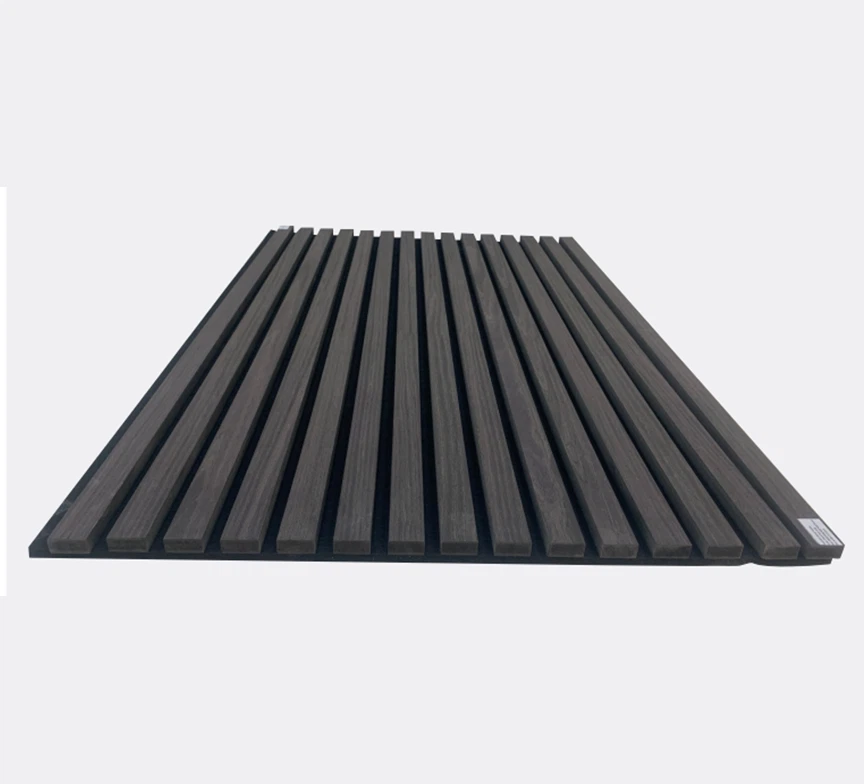
- Use a Vapor Barrier: Before installing the paneling, install a vapor barrier on the wall. This is a plastic sheet that prevents moisture from the concrete wall from seeping into the paneling. You can staple it to the wall studs, making sure there are no gaps or tears.
- Leave a Gap: Leave a small gap between the paneling and the floor. This allows for air circulation and prevents the paneling from touching any moisture that might accumulate on the floor.
- Seal the Edges: After installation, seal the edges of the paneling with a waterproof caulk. This helps to keep moisture out and gives the paneling a finished look.
Maintenance
Once the MDF paneling is installed in the basement, regular maintenance is key. Keep an eye on the humidity levels in the basement and use a dehumidifier if necessary. Check the paneling regularly for any signs of swelling, warping, or mold. If you notice any issues, address them immediately. For example, if you see a small area of mold, you can clean it with a mixture of water and vinegar.
Advantages of Using MDF Paneling in a Basement
Despite the challenges, there are some advantages to using MDF paneling in a basement:
- Cost - Effective: MDF paneling is generally more affordable than solid wood paneling. This makes it a great option if you're on a budget.
- Aesthetic Appeal: It can add a warm and inviting look to your basement. You can choose from a variety of colors and finishes to match your basement's decor.
- Easy to Install: MDF paneling is relatively easy to cut and install, especially for DIYers. You don't need a lot of special tools or skills.
Disadvantages
Of course, there are also some disadvantages:
- Moisture Sensitivity: As mentioned earlier, MDF is sensitive to moisture. If not properly installed and maintained, it can lead to problems.
- Limited Durability: Compared to solid wood, MDF might not be as durable in the long run, especially in a basement environment where there might be more moisture and wear.
In conclusion, wood MDF paneling can be used in a basement, but it requires careful consideration of the basement conditions, choosing the right type of paneling, proper installation, and regular maintenance. If you're thinking about using MDF paneling in your basement, I'd be more than happy to help you choose the right product for your needs. Whether you're a homeowner looking to renovate your basement or a contractor working on a project, feel free to reach out and start a conversation about your paneling requirements.
References
- "Building Science for Residential Construction" by John W. Straube and Joseph Lstiburek
- "Home Improvement Handbook" by various authors