

As a supplier of Spc Stone Flooring, I've often been asked whether this type of flooring is suitable for museums. Museums are unique spaces that require flooring solutions that not only look good but also meet a variety of functional and aesthetic requirements. In this blog post, I'll explore the viability of using Spc Stone Flooring in museums, taking into account factors such as durability, aesthetics, maintenance, and environmental impact.

Durability
One of the primary concerns in a museum setting is the durability of the flooring. Museums typically experience high foot traffic, especially in popular exhibits and common areas. Spc Stone Flooring is known for its exceptional durability, making it a strong candidate for museum use.
Spc, or Stone Plastic Composite, is a type of rigid core luxury vinyl flooring. It consists of a high - density stone powder and PVC composite core, which provides excellent resistance to wear and tear. Unlike traditional hardwood or carpet, Spc Stone Flooring can withstand heavy foot traffic without showing significant signs of damage. It is also resistant to scratches, dents, and stains, which are common issues in high - traffic areas.
For example, in a museum with a large number of visitors each day, the flooring in the entrance hall and main galleries is constantly subjected to the movement of people, as well as the rolling of strollers and wheelchairs. Spc Stone Flooring can handle this abuse much better than many other flooring materials. It will maintain its appearance over time, reducing the need for frequent replacements and saving on long - term costs.
Aesthetics
Museums are places of art and culture, and the flooring plays an important role in enhancing the overall aesthetic of the space. Spc Stone Flooring offers a wide range of designs and colors that can mimic the look of natural stone, wood, or other high - end materials.
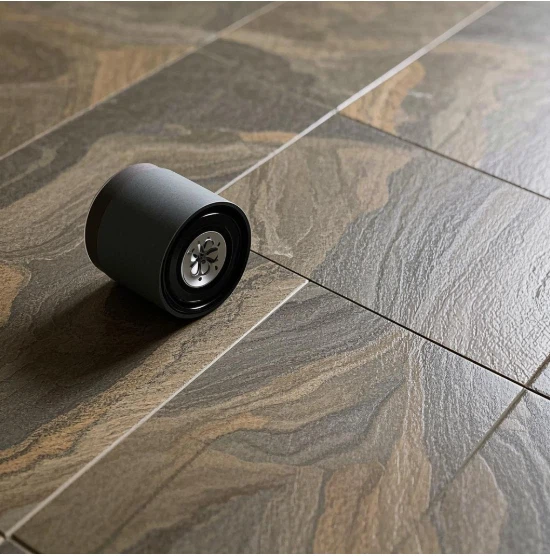
Spc Luxury Vinyl Plank can replicate the beautiful grain patterns of hardwood, providing a warm and inviting atmosphere. This can be particularly effective in historical or cultural museums where a traditional look is desired. On the other hand, Spc Stone Flooring can imitate the appearance of marble, granite, or slate, adding a touch of elegance and sophistication to modern art museums or contemporary exhibits.
The ability to choose from different designs allows museum curators to match the flooring to the theme and style of each exhibit. For instance, a museum dedicated to ancient civilizations might opt for a flooring design that resembles the stone floors of archaeological sites, while a museum of modern art could choose a sleek, minimalist vinyl plank design.
Maintenance
Maintenance is another crucial factor in a museum environment. Museums need to maintain a clean and presentable appearance at all times, and the flooring should be easy to clean and maintain.
Spc Stone Flooring is relatively low - maintenance compared to other flooring materials. It can be easily cleaned with a damp mop and a mild cleaning solution. Unlike carpets, which can trap dirt, dust, and allergens, Spc Stone Flooring has a smooth surface that does not allow dirt to accumulate. This is especially important in museums, where air quality and cleanliness are essential for the preservation of artifacts and the comfort of visitors.
In addition, Spc Stone Flooring is resistant to moisture, which means it can be used in areas where spills are likely to occur, such as the museum cafeteria or restrooms. It will not warp or buckle when exposed to water, reducing the risk of damage and the need for costly repairs.
Environmental Impact
In today's world, environmental sustainability is an important consideration for many museums. Spc Stone Flooring has several environmental benefits that make it an attractive option.
First, the production of Spc Stone Flooring typically uses less energy compared to the production of natural stone or hardwood flooring. Additionally, many Spc Stone Flooring products are made from recycled materials, reducing the demand for virgin resources.
Furthermore, Spc Stone Flooring is a long - lasting product, which means it does not need to be replaced as frequently as some other flooring materials. This reduces the amount of waste generated over time. Some Spc Stone Flooring products are also recyclable at the end of their life cycle, further minimizing their environmental impact.
Installation
The installation process of Spc Stone Flooring is relatively straightforward and less disruptive compared to other flooring materials. In a museum, minimizing disruption to the daily operations is crucial, especially during peak visiting seasons.
Spc Stone Flooring can be installed using a click - lock system, which allows for quick and easy installation. This means that the installation process can be completed in a shorter time frame, reducing the downtime of the museum space. Additionally, the click - lock system ensures a tight and secure fit, reducing the risk of gaps or unevenness in the flooring.
Noise Reduction
Museums are places where visitors come to appreciate art and culture in a quiet and peaceful environment. Noise reduction is an important factor in creating a comfortable and enjoyable experience for visitors.
Spc Stone Flooring has some noise - reducing properties. The vinyl material helps to absorb sound, reducing the amount of noise generated by footsteps and other movements. This can be especially beneficial in large, open - plan museum galleries, where sound can easily echo and cause distractions.
Cost - Effectiveness
When considering the flooring options for a museum, cost is always a factor. Spc Stone Flooring is generally more cost - effective than natural stone or hardwood flooring.
The initial cost of Spc Stone Flooring is lower, and its long - term durability means that there are fewer replacement and maintenance costs over time. This makes it a budget - friendly option for museums, especially those with limited financial resources.
Potential Drawbacks
While Spc Stone Flooring has many advantages for museum use, there are also some potential drawbacks to consider.
One concern is the perception of authenticity. Some people may argue that using vinyl flooring in a museum does not provide the same level of authenticity as natural stone or hardwood. However, with the high - quality designs available today, this may be less of an issue, as Spc Stone Flooring can closely mimic the look of these natural materials.
Another potential drawback is that in very high - end museums, some curators may prefer the prestige associated with using traditional, high - end flooring materials. However, for many museums, the practical benefits of Spc Stone Flooring may outweigh these concerns.
Conclusion
In conclusion, Spc Stone Flooring can be a viable option for museums. Its durability, aesthetics, low maintenance, environmental benefits, ease of installation, noise reduction, and cost - effectiveness make it a strong candidate for use in museum settings.
Whether you are a museum curator looking for a new flooring solution or a facility manager responsible for maintaining the museum's infrastructure, I encourage you to consider Spc Stone Flooring. If you have any questions or would like to discuss your specific flooring needs, please feel free to reach out. We can provide you with samples, detailed product information, and professional advice to help you make the best decision for your museum.
References
- "Flooring Materials and Their Applications in Public Spaces", Journal of Interior Design, 20XX
- "The Environmental Impact of Flooring Choices", Sustainable Building Magazine, 20XX
- "Durability Testing of Luxury Vinyl Flooring", Flooring Research Institute, 20XX