

As a supplier of MDF acoustic panels, I often get asked whether these panels are suitable for home theaters. The short answer is yes, and in this blog post, I'll delve into the reasons why MDF acoustic panels are an excellent choice for creating the perfect sound environment in your home theater.
Understanding MDF Acoustic Panels
Medium Density Fiberboard (MDF) is a composite material made by breaking down hardwood or softwood residuals into wood fibers, often in a defibrator, combining it with wax and a resin binder, and forming panels by applying high temperature and pressure. MDF acoustic panels are engineered to absorb sound waves, reducing echo and reverberation in a room.

How MDF Acoustic Panels Work
Sound waves travel through the air and when they hit a surface, they can be reflected, absorbed, or transmitted. MDF acoustic panels are designed to absorb these sound waves. The porous structure of the MDF material allows the sound waves to enter the panel. As the waves move through the panel, they are converted into heat energy through friction, which effectively reduces the amount of sound that is reflected back into the room.
Types of MDF Acoustic Panels
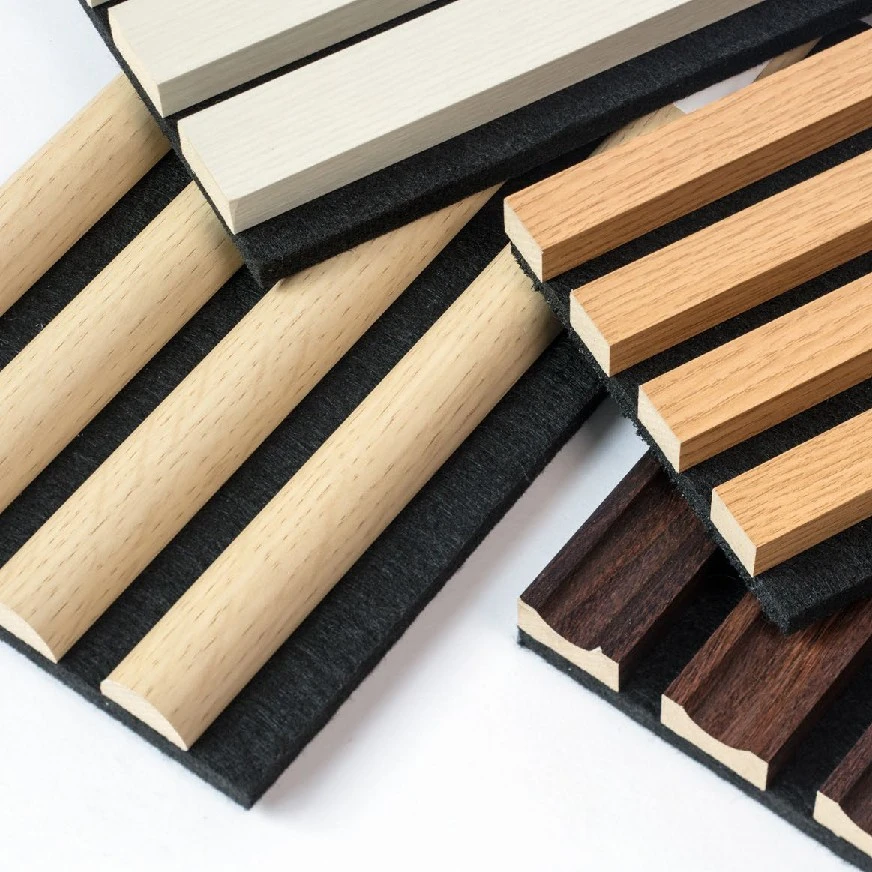
There are different types of MDF acoustic panels available, each with its own unique characteristics. For example, MDF Acoustic Panel with Technical Veneer offers a sleek and modern look, while MDF Acoustic Panel with Wood Veneer provides a more natural and warm aesthetic. These panels can be customized to fit the specific design requirements of your home theater.
Advantages of Using MDF Acoustic Panels in a Home Theater
Improved Sound Quality
One of the primary reasons to use MDF acoustic panels in a home theater is to improve the sound quality. In a home theater, unwanted echoes and reverberations can distort the sound, making it difficult to enjoy movies, music, or games. MDF acoustic panels help to control these reflections, creating a more balanced and immersive sound experience. For example, when watching an action movie with a lot of explosions and gunfire, the panels will absorb the excess sound energy, preventing it from bouncing around the room and causing a muddled sound.
Aesthetic Appeal
In addition to their acoustic properties, MDF acoustic panels can also enhance the aesthetic appeal of your home theater. With a variety of finishes and colors available, you can choose panels that complement the overall design of your theater. Whether you prefer a modern, minimalist look or a more traditional style, there is an MDF acoustic panel option that will suit your taste.
Cost-Effectiveness
Compared to other acoustic treatment options, MDF acoustic panels are relatively cost-effective. They offer a good balance between performance and price, making them a popular choice for homeowners on a budget. You can achieve significant improvements in sound quality without breaking the bank.
Easy Installation
MDF acoustic panels are relatively easy to install, especially when compared to more complex acoustic treatments. They can be mounted on walls or ceilings using simple tools and techniques. This means that you can transform your home theater into a high-quality audio environment in a relatively short amount of time.
Considerations When Using MDF Acoustic Panels in a Home Theater
Placement
The placement of MDF acoustic panels is crucial for achieving optimal sound quality. You need to consider the size and shape of your home theater, as well as the location of your speakers and seating area. Generally, it is recommended to place panels on the walls and ceiling behind the speakers and on the side walls near the listening area. This will help to control early reflections and improve the overall soundstage.
Panel Thickness
The thickness of the MDF acoustic panels can also affect their performance. Thicker panels generally offer better sound absorption at lower frequencies, while thinner panels are more effective at higher frequencies. You may need to choose a combination of panel thicknesses to achieve the best results in your home theater.
Fire Resistance
When using MDF acoustic panels in a home theater, it is important to consider their fire resistance. Look for panels that are treated with fire retardant materials to ensure the safety of your home.
Case Studies: Successful Use of MDF Acoustic Panels in Home Theaters
Case Study 1: A Small Home Theater
Mr. Smith had a small home theater in his basement. He was experiencing a lot of echo and poor sound quality, especially during action movies. After consulting with us, he decided to install MDF acoustic panels on the walls and ceiling. The panels were placed strategically to control early reflections and reduce reverberation. After the installation, Mr. Smith noticed a significant improvement in sound quality. The dialogue was clearer, and the explosions and music had a more immersive feel.
Case Study 2: A Large Home Theater
Ms. Johnson had a large, custom-built home theater in her mansion. She wanted to create a professional-grade audio environment that would rival commercial theaters. We recommended a combination of thick and thin MDF acoustic panels, as well as some bass traps. The panels were installed on all the walls and ceiling, and the bass traps were placed in the corners of the room. After the installation, Ms. Johnson was extremely satisfied with the results. The sound was crisp, clear, and well-balanced, and the overall audio experience was truly immersive.
Conclusion
In conclusion, MDF acoustic panels are an excellent choice for home theaters. They offer a range of benefits, including improved sound quality, aesthetic appeal, cost-effectiveness, and easy installation. However, it is important to consider factors such as placement, panel thickness, and fire resistance when using these panels. If you are interested in enhancing the audio quality of your home theater, I encourage you to contact us to discuss your specific needs. We can provide you with expert advice and help you choose the right MDF acoustic panels for your project.
References
- "Acoustics for Dummies" by Jeff Brady
- "Home Theater Design Guide" by Audioholics