

Are wood wall panels easy to remove?
As a supplier of wood wall panels, I often receive inquiries from customers about the ease of removing these panels. The answer to this question isn't straightforward, as it depends on several factors. In this blog, I'll explore the various aspects that influence the removal process of wood wall panels and provide some insights.
Factors Affecting the Removal of Wood Wall Panels
-
Installation Method
- Nailed Panels: When wood wall panels are installed using nails, the removal process can be a bit challenging. Nails firmly hold the panels in place, and extracting them without damaging the panel or the wall can be difficult. You'll need the right tools, such as a pry bar and a nail puller. Care must be taken to avoid splintering the wood. If the nails are rusted, it can make the removal even more arduous.
- Glued Panels: Panels that are glued to the wall are generally more difficult to remove. The adhesive creates a strong bond between the panel and the wall surface. To remove glued panels, you may need to use a heat gun to soften the adhesive or a chemical adhesive remover. However, these methods can be time - consuming and may also damage the wall or the panel.
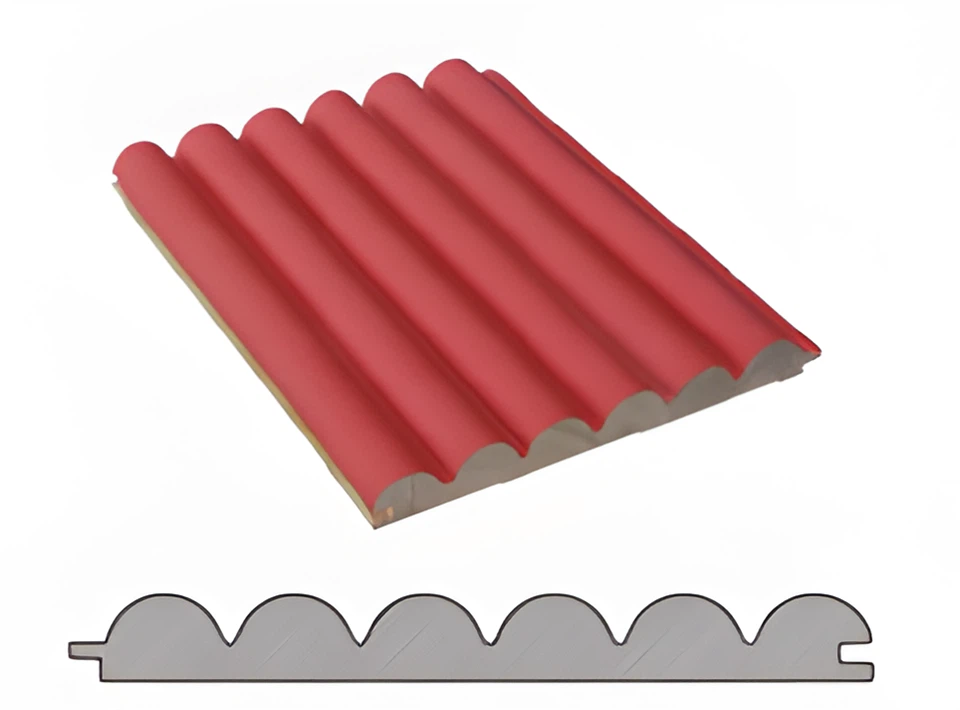
- Clip - on or Tongue - and - Groove Panels: These types of wood wall panels are relatively easier to remove. Clip - on panels are designed to be attached and detached easily, and tongue - and - groove panels can be carefully separated from each other. This makes them a popular choice for those who may want to change the wall appearance in the future.
-
Type of Wood Wall Panel
- Wood Wall Panel with Melamine Paper Veneer: This type of panel has a melamine paper veneer on the surface. The veneer is usually quite durable, but during removal, there is a risk of the veneer peeling off if not handled properly. If the panel is attached with nails or glue, extra care is needed to avoid damaging the veneer.
- Wood Wall Panel with Technical Veneer: Technical veneer gives the panel a more natural and high - end look. However, it can be more delicate compared to melamine paper veneer. When removing these panels, any rough handling can cause the veneer to crack or chip, reducing the panel's reusability.
- Wood Pvc Cladding: Wood PVC cladding combines the look of wood with the durability of PVC. It is often easier to remove than pure wood panels, especially if it is installed using a clip - on system. The PVC component makes it more resistant to damage during the removal process.
-
Wall Condition
- If the wall behind the wood panels is in poor condition, such as having loose plaster or a weak structure, the removal process can be more complicated. The panels may be stuck more firmly due to the uneven wall surface, and there is a higher risk of damaging the wall further during removal. On the other hand, a smooth and well - maintained wall can make the removal process smoother.
Steps for Removing Wood Wall Panels
-
Prepare the Tools
- Depending on the installation method, you'll need tools such as a pry bar, nail puller, heat gun, or adhesive remover. Make sure you have all the necessary tools on hand before starting the removal process.
-
Start from the Edges
- For most wood wall panels, it's best to start from the edges. Use a pry bar to gently lift the panel away from the wall. If the panel is nailed, carefully pull out the nails one by one. If it's glued, apply heat or adhesive remover as needed.
-
Work Slowly and Carefully
- Rushing the removal process can lead to damage to the panels or the wall. Take your time and work methodically, especially when dealing with delicate veneers or glued panels.
-
Inspect the Wall and Panels

- After removing the panels, inspect both the wall and the panels for any damage. If the panels are in good condition, they may be reusable for another project.
Benefits of Easy - to - Remove Wood Wall Panels
- Flexibility in Design
- Easy - to - remove wood wall panels allow for greater flexibility in interior design. You can change the look of a room easily by removing and replacing the panels with a different style or color.
- Cost - Effective
- If the panels can be removed without damage, they can be reused, which can save money in the long run. Additionally, if you need to make repairs or updates to the wall behind the panels, easy removal can reduce labor costs.
- Sustainable Option
- Reusing wood wall panels is an environmentally friendly option. It reduces waste and the need for new materials, which is beneficial for the planet.
Conclusion
In general, the ease of removing wood wall panels depends on the installation method, the type of panel, and the wall condition. While some panels are relatively easy to remove, others may require more effort and specialized tools. As a wood wall panel supplier, we offer a variety of panels, including Wood Wall Panel with Melamine Paper Veneer, Wood Wall Panel with Technical Veneer, and Wood Pvc Cladding, each with its own characteristics regarding removal.
If you're considering using wood wall panels in your project and have questions about their removal or installation, feel free to reach out to us. We're here to provide you with the best advice and high - quality products. Contact us to discuss your procurement needs and start creating the perfect interior space with our wood wall panels.
References
- "Woodworking Basics: Installation and Removal of Wall Panels", Woodworking Magazine.
- "Guide to Interior Wall Paneling", Home Improvement Handbook.