

As a supplier of MDF acoustic panels, I often encounter inquiries about the suitability of these panels for outdoor use. This topic is crucial for many clients who are looking to enhance the acoustic environment in their outdoor spaces, such as patios, gardens, or outdoor event venues. In this blog, I will delve into the characteristics of MDF acoustic panels and analyze whether they are a good fit for outdoor applications.
Understanding MDF Acoustic Panels
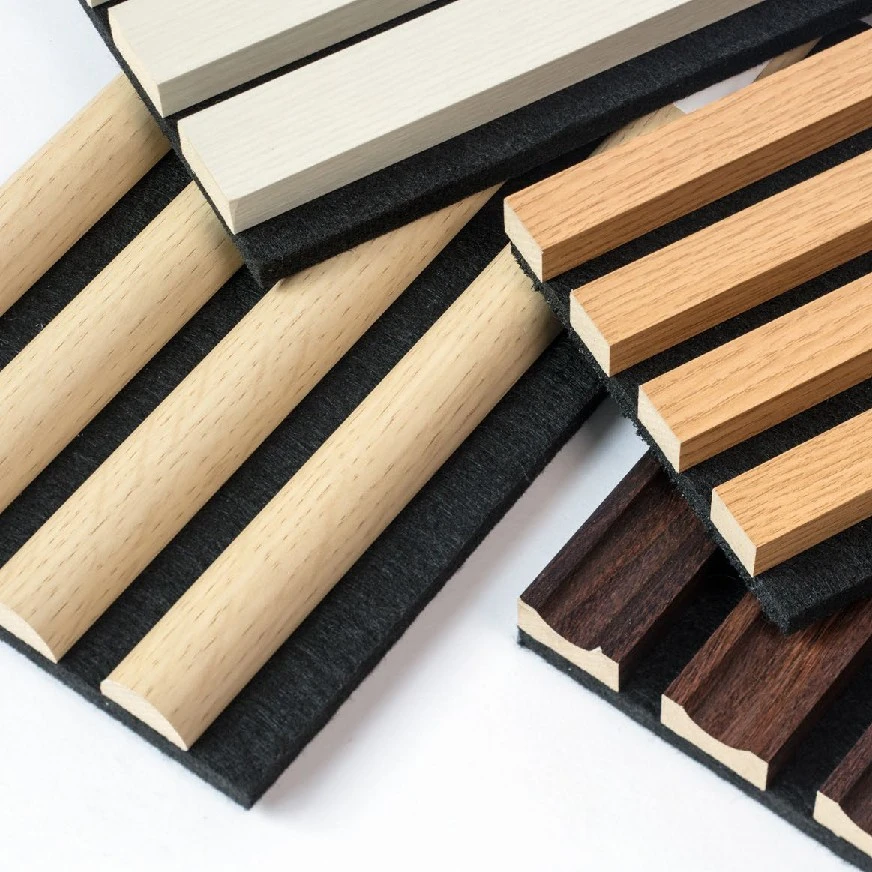
MDF, or Medium - Density Fiberboard, is an engineered wood product made by breaking down hardwood or softwood residuals into wood fibers. These fibers are then combined with wax and a resin binder under high temperature and pressure to form panels. MDF acoustic panels are specifically designed to absorb sound waves, reducing echo and reverberation in a given space. They come in various types, such as MDF Acoustic Panel with Technical Veneer and MDF Acoustic Panel with Wood Veneer, which offer different aesthetic and functional properties.
The acoustic performance of MDF panels is achieved through their porous structure. Sound waves enter the panel and are dissipated as heat energy within the material, rather than being reflected back into the space. This makes them an effective solution for controlling noise in indoor environments like recording studios, offices, and home theaters.
Factors Affecting the Suitability of MDF Acoustic Panels for Outdoor Use
Moisture Resistance
One of the primary concerns when considering outdoor use of MDF acoustic panels is their moisture resistance. MDF is made from wood fibers and binders, which are susceptible to water damage. When exposed to moisture, MDF can swell, warp, and eventually rot. Outdoor environments are constantly exposed to rain, humidity, and dew, which pose a significant threat to the integrity of MDF panels.
In areas with high rainfall or near bodies of water, the risk of water damage is even greater. Even in relatively dry climates, occasional rain showers or high humidity levels can gradually degrade the MDF over time. Unlike some outdoor - rated materials such as treated lumber or composite wood, MDF does not have inherent moisture - resistant properties.
UV Resistance
Another factor to consider is UV resistance. Sunlight contains ultraviolet (UV) rays that can cause fading, discoloration, and degradation of materials over time. MDF acoustic panels are not naturally resistant to UV radiation. Prolonged exposure to sunlight can cause the surface of the panel to become brittle, crack, and lose its aesthetic appeal.
This is particularly important for outdoor spaces where the panels are directly exposed to sunlight for extended periods. For example, in a sunny garden or an open - air patio, the UV damage can be quite noticeable within a few months or years, depending on the intensity of the sunlight in the area.
Durability against Physical Damage
Outdoor environments are more prone to physical damage compared to indoor spaces. MDF panels are relatively soft and can be easily scratched, dented, or damaged by impact. In an outdoor setting, they may be exposed to objects such as branches, flying debris from windstorms, or accidental impacts from people or equipment.
For instance, in a garden, a lawnmower or a garden tool could accidentally hit the panels, causing visible damage. In an outdoor event venue, the panels may be subject to rough handling during setup and takedown of equipment.
Temperature Fluctuations
Outdoor temperatures can vary significantly throughout the day and across seasons. MDF panels expand and contract with changes in temperature. Extreme temperature fluctuations can cause stress on the panels, leading to warping, cracking, or delamination.
In regions with cold winters and hot summers, the panels may experience repeated cycles of expansion and contraction, which can gradually weaken the structure of the panel. This can affect both the acoustic performance and the overall appearance of the panels.
Possible Solutions for Using MDF Acoustic Panels Outdoors
Protective Coatings
One way to improve the moisture and UV resistance of MDF acoustic panels for outdoor use is by applying protective coatings. There are various types of coatings available, such as waterproof paints, sealants, and clear finishes.
Waterproof paints can create a barrier that prevents water from penetrating the panel. They also offer some degree of UV protection. Sealants can be used to fill the pores of the MDF, further enhancing its moisture - resistant properties. Clear finishes, such as varnishes or polyurethanes, can provide a protective layer that reduces the impact of UV rays and physical damage.
However, it's important to note that these coatings need to be reapplied periodically to maintain their effectiveness. Over time, the coating may wear off due to weathering and physical abrasion, leaving the MDF vulnerable to damage.
Enclosed Installation
Another option is to install the MDF acoustic panels in an enclosed or semi - enclosed structure. For example, they can be installed inside a covered patio or a gazebo. This way, the panels are protected from direct exposure to rain, sunlight, and physical damage.
In a covered patio, the panels can still provide acoustic benefits while being shielded from the harshest outdoor elements. However, proper ventilation is still necessary to prevent the buildup of moisture inside the enclosed space, which could still affect the MDF panels.
Case Studies and Real - World Examples
In some cases, clients have successfully used MDF acoustic panels in outdoor settings with proper precautions. For example, a small outdoor concert venue installed MDF acoustic panels inside a large, covered stage area. The panels were coated with a high - quality waterproof paint and were regularly inspected and maintained.
Over a period of two years, the panels maintained their acoustic performance and showed only minor signs of wear. However, this was a carefully controlled environment where the panels were protected from direct rain and excessive sunlight.
On the other hand, there are also examples where MDF panels were installed outdoors without adequate protection. In a garden project, uncoated MDF panels were used to create an acoustic partition. Within a year, the panels had swelled, warped, and started to rot due to exposure to rain and high humidity.
Alternatives to MDF Acoustic Panels for Outdoor Use
If the challenges of using MDF acoustic panels outdoors are too great, there are several alternative materials available.
Fiberglass Acoustic Panels
Fiberglass acoustic panels are a popular choice for outdoor applications. They are highly resistant to moisture, UV radiation, and physical damage. Fiberglass is non - combustible and has excellent acoustic properties. It can be installed in outdoor spaces without the need for extensive protective measures.
Mineral Wool Acoustic Panels
Mineral wool panels are another option. They are made from natural minerals and are known for their high - temperature resistance, fire resistance, and good acoustic performance. Mineral wool is also resistant to moisture and can withstand outdoor conditions better than MDF.
Composite Wood Panels
Composite wood panels are made from a combination of wood fibers and plastic polymers. They offer better moisture and UV resistance compared to MDF. Composite wood panels are also more durable and less prone to physical damage, making them a suitable choice for outdoor use.
Conclusion
In conclusion, while MDF acoustic panels are effective for indoor acoustic control, their suitability for outdoor use is limited. The lack of moisture resistance, UV resistance, and durability against physical damage and temperature fluctuations makes them a risky choice for direct outdoor installation.

However, with proper protective measures such as coatings and enclosed installation, it is possible to use MDF acoustic panels in some outdoor settings. But these solutions require regular maintenance and monitoring to ensure the long - term performance and integrity of the panels.
If you are considering an outdoor acoustic solution, it's important to carefully weigh the pros and cons of using MDF panels. In many cases, alternative materials like fiberglass, mineral wool, or composite wood may be a more practical and cost - effective choice.
As a supplier of MDF acoustic panels, I understand that each project has unique requirements. If you have any questions about our products or need advice on the best acoustic solution for your outdoor space, please feel free to contact us. We are more than happy to discuss your needs and provide you with the most suitable options. Whether you are looking for indoor or outdoor acoustic solutions, we can offer high - quality products and professional guidance to help you achieve your acoustic goals.
References
- "Wood Handbook: Wood as an Engineering Material." Forest Products Laboratory, U.S. Department of Agriculture.
- "Acoustic Materials and Their Applications." Journal of Building Acoustics, various issues.
- "The Effects of Environmental Factors on Wood - Based Panels." International Journal of Wood Science, multiple publications.